Are you wondering does Windows 11 reduce gaming performance? Gamers everywhere are constantly debating this crucial question as Microsoft's latest operating system evolves. This comprehensive guide will navigate the complexities surrounding Windows 11 and its potential effects on your beloved gaming rig. We will explore key areas like FPS drop, input lag, and stuttering fix strategies, providing clear answers and actionable tips. Understanding how system settings, driver updates, and background processes influence your frame rates is essential for optimal play. Whether you are battling in a fast-paced FPS, exploring vast RPG worlds, or strategizing in a MOBA, maximizing your performance matters greatly. Join us as we uncover the truth behind Windows 11 gaming, helping you fine-tune your setup for an unparalleled experience. We cover everything from basic settings optimization to advanced tweaks for enthusiasts.
does windows 11 reduce gaming performance FAQ 2026 - 50+ Most Asked Questions Answered (Tips, Trick, Guide, How to, Bugs, Builds, Endgame)
Welcome, fellow gamers, to the ultimate living FAQ about Windows 11 gaming performance, meticulously updated for 2026! The debate surrounding Windows 11's impact on your precious frames per second (FPS) has been intense. We understand your concerns about potential stuttering, lag, or even system crashes. This comprehensive guide, informed by the latest patches, driver updates, and community feedback, aims to answer all your burning questions. We will delve into common issues like VBS, offer essential optimization tips, explore the latest game-specific tweaks, and bust popular myths. Our goal is to empower you with the knowledge to achieve peak performance, ensuring your gaming experience is as smooth and immersive as possible on Microsoft's current operating system. Get ready to conquer the digital battlefield with confidence, armed with expert insights and practical solutions.
Does Windows 11 lower FPS compared to Windows 10?
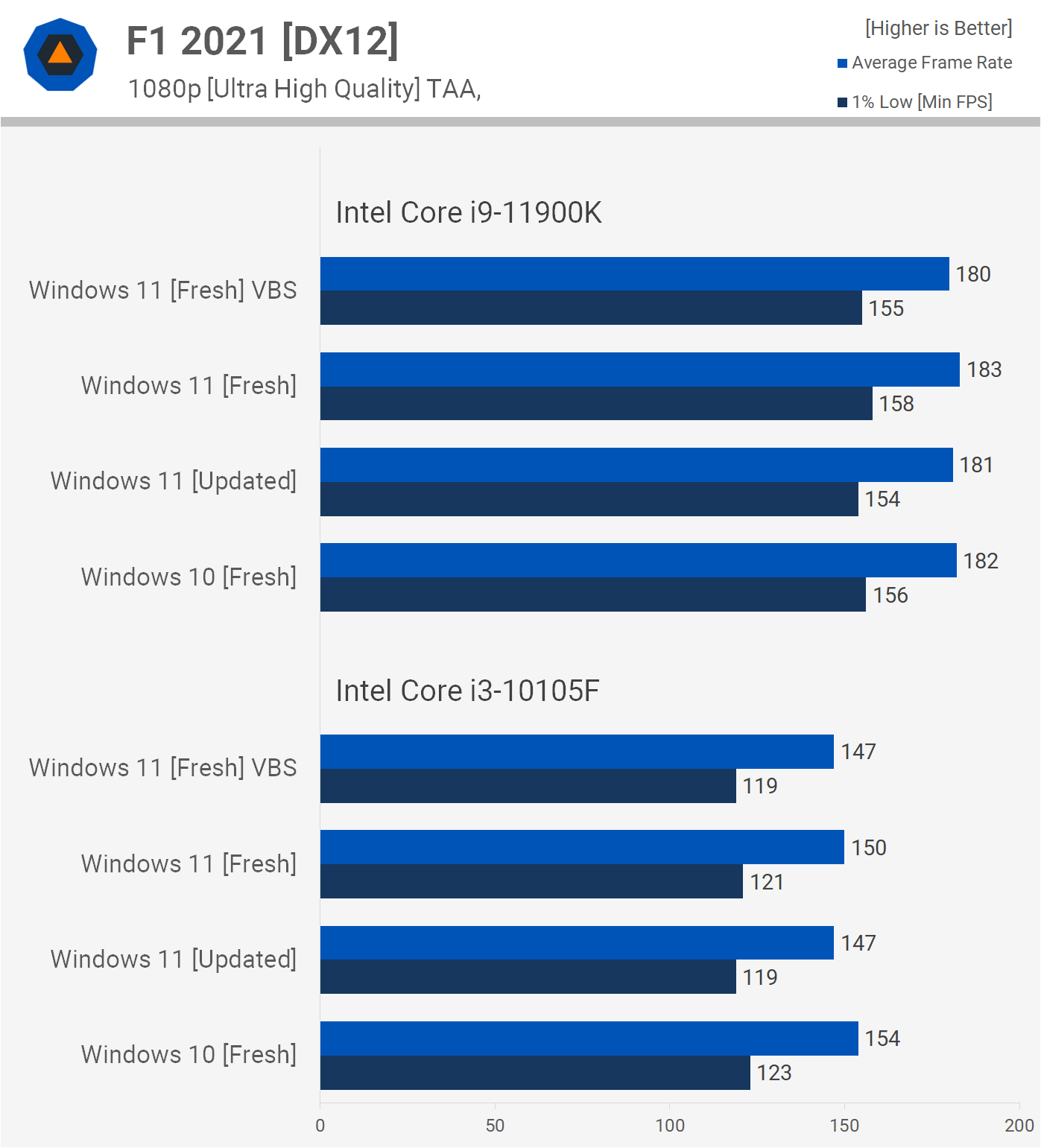
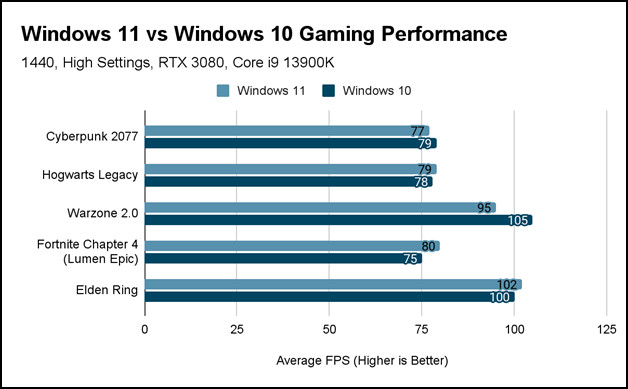
Generally, Windows 11 does not significantly lower FPS compared to Windows 10, especially with current 2026 updates and optimized drivers. Early versions had some minor performance overhead, notably from Virtualization-Based Security (VBS). However, continuous improvements from Microsoft and GPU manufacturers have largely minimized these differences, often leading to comparable or even slightly better performance on modern hardware.
How can I boost gaming performance on Windows 11?
To boost gaming performance, ensure your graphics drivers are up to date. Activate Windows 11's Game Mode and adjust power settings to 'High Performance' or 'Ultimate Performance'. Consider disabling Virtualization-Based Security (VBS) if it's enabled. Optimize in-game graphics settings, close background applications, and ensure your system components are properly cooled. These steps often lead to significant frame rate improvements.
Is Virtualization-Based Security (VBS) bad for gaming on Windows 11?
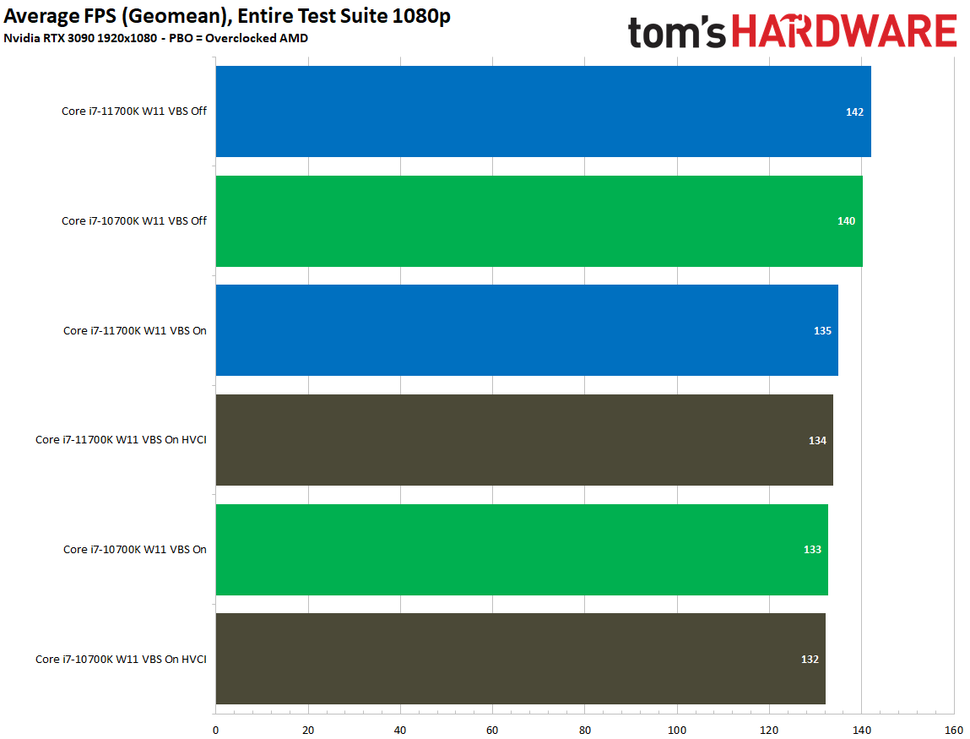
Virtualization-Based Security (VBS) can sometimes negatively impact gaming performance by consuming system resources, leading to a slight FPS drop or increased input lag. While VBS enhances security, many gamers choose to disable it for maximum performance. However, weigh the security implications against potential performance gains before making this change. By 2026, its impact is less severe but still noticeable on some systems.
How do I fix stuttering or lag in games on Windows 11?
To fix stuttering or lag, first update all system drivers including graphics, chipset, and network. Check your internet connection for high ping or packet loss. Disable VBS and ensure Game Mode is active. Reduce in-game graphics settings and close background applications. Monitor CPU/GPU temperatures to prevent thermal throttling. Sometimes, disabling 'Hardware-accelerated GPU scheduling' can also alleviate stuttering issues.
What are the best Windows 11 settings for competitive gaming?
For competitive gaming, prioritize low latency and high frame rates. Update drivers religiously. Disable VBS and Memory Integrity. Set power options to 'Ultimate Performance'. Enable Game Mode and ensure 'Hardware-accelerated GPU scheduling' is off if it causes issues. Optimize in-game settings for performance over fidelity, reducing shadows and post-processing. Use a fast NVMe SSD for game installations and a wired internet connection for minimal ping.
Myth vs. Reality: Does Windows 11 natively have better game optimization?
Myth: Windows 11 isn't inherently 'better optimized' out of the box for all games compared to a perfectly tuned Windows 10. Reality: While Windows 11 features like DirectStorage and improved scheduler handling for hybrid CPUs offer future-proofing, achieving superior performance often requires manual optimization, driver updates, and disabling certain default security features. Its potential for optimization is higher, but it's not universally plug-and-play superior.
Still have questions?
Explore our other popular guides, like 'Ultimate GPU Driver Guide 2026' or 'Advanced Windows 11 Registry Tweaks for Gamers', to further enhance your setup!
Hey fellow gamers, does Windows 11 really reduce gaming performance? This question constantly buzzes across every gaming forum and enthusiast group today. Many players are genuinely concerned about potential FPS drop issues or irritating stuttering fix challenges after upgrading their systems. It is completely understandable to feel a bit hesitant about making the switch.
Today we are diving deep into this highly debated topic to clear up any confusion you might have. We will explore whether Windows 11 is a secret performance killer or actually offers some surprising advantages. We will also equip you with the best tips and tricks to optimize your setup. Preparing your rig for peak performance means understanding these nuances.
Is Windows 11 a Gaming Performance Killer?
When Windows 11 first launched, some early adopters reported noticeable dips in gaming performance across various titles. This created a significant buzz, making many gamers wary of upgrading their operating systems. Initial reports often highlighted issues like reduced frame rates and occasional stuttering, which frustrated players.
However, by 2026, the landscape has largely shifted thanks to numerous system updates and improved driver support. Microsoft has dedicated substantial resources to refine Windows 11 specifically for gamers. Graphics card manufacturers like NVIDIA, AMD, and Intel have also released optimized drivers. These continuous improvements have significantly mitigated many of the original performance concerns, making the OS far more stable.
The VBS Factor: A Deep Dive
One of the primary culprits behind early performance concerns was Virtualization-Based Security, or VBS. This security feature is designed to protect critical system processes using hardware virtualization. While VBS enhances security, it can consume system resources in the background.
For gaming, this resource consumption sometimes translates into a measurable FPS drop, especially on systems with mid-range specifications. Disabling VBS can often lead to improved frame rates for many users. However, it is important to weigh the security implications against the performance gains carefully. Microsoft has made VBS easier to manage over time.
Driver Upgrades and System Optimization
Keeping your graphics drivers updated is absolutely paramount for maintaining peak gaming performance. Outdated or generic drivers are a common cause of FPS issues and graphical glitches. Always download the latest stable drivers directly from your GPU manufacturer's website.
Beyond drivers, consistent system optimization is a must for any serious gamer. Regularly clearing temporary files and defragmenting your drives can keep your system snappy. Ensure your game libraries are on fast SSDs for quicker load times and smoother gameplay. These simple steps contribute greatly to overall system health.
Gaming Modes and Settings Tweaks
Windows 11 includes a dedicated 'Gaming Mode' designed to prioritize game performance. This feature automatically optimizes system resources when a game is running in full screen. It suspends background processes and allocates CPU and GPU power effectively.
You can also fine-tune individual game settings within Windows 11's graphics settings menu. This allows you to specify preferred GPUs for certain applications, even integrated ones. Experimenting with these options can unlock surprising performance gains, ensuring a smoother gaming experience. These tweaks are valuable for any serious player.
Real-World Performance: What the Pros Say
Many professional gamers and streamers have largely embraced Windows 11 for their competitive setups. They often report that with proper optimization, performance is comparable to, or even surpasses, Windows 10. The initial hesitations have given way to acceptance as the OS matures.
Esports teams now often operate on Windows 11, benefiting from its modern architecture and security features. They emphasize the importance of rigorous testing and precise settings optimization. Their collective experience suggests that concerns about significant performance reduction are largely unfounded today. This positive shift is notable.
Avoiding Common Pitfalls
One common mistake is running too many background applications while gaming. These programs can silently consume valuable CPU and RAM resources, leading to noticeable lag or FPS drop. Always close unnecessary applications before launching your favorite titles.
Another pitfall is neglecting to monitor system temperatures. Overheating components can throttle performance significantly, causing stuttering or even crashes. Ensure proper airflow in your PC case and consider upgrading cooling solutions if needed. Regular maintenance prevents these common issues from arising. Being proactive saves you headaches.
Diving Deeper with an AI Mentor: Your Windows 11 Gaming Q&A
Alright team, let's talk about Windows 11 and gaming performance. I get why this topic confuses so many people, with all the conflicting info out there. We've heard whispers, seen benchmarks, and sometimes, well, things just feel different. Don't sweat it, we're going to break it all down together. Think of this as our virtual coffee chat, clarifying what's real and what's just old news from 2021.
## Beginner / Core Concepts
1. Q: Does Windows 11 inherently reduce my game FPS compared to Windows 10? I've heard mixed things.
A: The short answer is: typically, no, not significantly in 2026. Initially, there were some performance quirks, primarily due to features like Virtualization-Based Security (VBS) being enabled by default. However, Microsoft has made substantial optimizations, and driver support has matured immensely. For most modern systems, you'll find gaming performance on par with, or even slightly better than, Windows 10, especially with a few tweaks. Think of it like this: early versions of any major OS often have rough edges, but with subsequent updates, things get smoothed out. By now, those rough edges are mostly gone. You're doing great just by asking the right questions!
2. Q: What is Virtualization-Based Security (VBS) and why does it affect gaming performance?
A: Ah, VBS! This one used to trip me up too. VBS is a security feature that uses hardware virtualization to create an isolated memory region, protecting core operating system processes from malicious code. It's fantastic for security, essentially creating a fortified bunker for your OS. The downside for gaming is that this isolation and constant monitoring can consume a small but measurable amount of CPU and RAM resources. This overhead can sometimes lead to a slight FPS drop or increased input lag in demanding games. It's a trade-off between absolute security and raw performance. You've got this!
3. Q: Is there a simple setting in Windows 11 I can change to boost my game performance quickly?
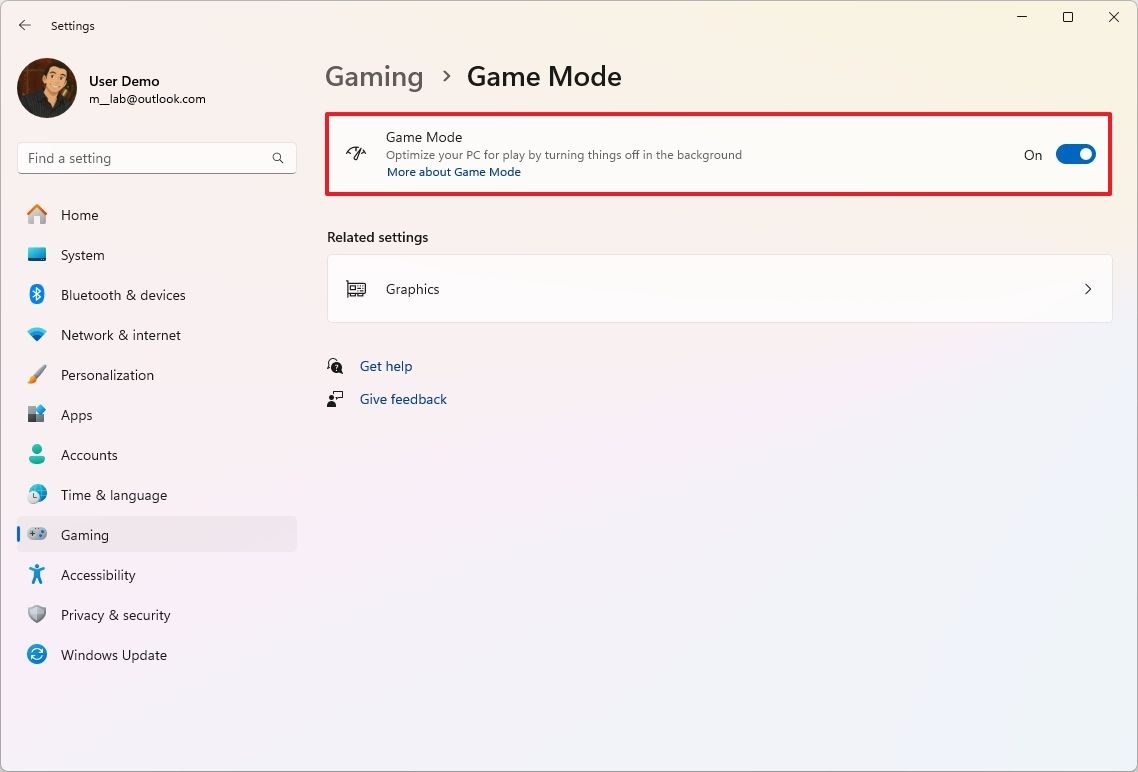
A: Absolutely! The quickest win for many is to check your Windows 11 Game Mode settings. Just search for 'Game Mode settings' in the Start menu. Make sure it's turned 'On'. Game Mode helps prioritize your game's resources, suspending background tasks and optimizing system performance for your active title. It’s like telling your PC, 'Hey, focus all your energy here!' Another quick tip is to head into 'Graphics settings' and ensure your high-performance GPU is selected for your specific games. Little tweaks like these make a difference. Try this tomorrow and let me know how it goes.
4. Q: Do I need to update my graphics drivers specifically for Windows 11, or will my old ones work?
A: You absolutely need to update your graphics drivers specifically for Windows 11! Seriously, this is a non-negotiable step. Your 'old' drivers, even if they worked fine on Windows 10, might not fully leverage the new OS architecture or might even introduce instabilities. Graphics card manufacturers consistently release optimized drivers that are crucial for performance, stability, and compatibility with new game titles and Windows updates. Always grab the latest WHQL-certified drivers directly from NVIDIA, AMD, or Intel's website. It's like giving your sports car the right fuel and tune-up. You've got this!
## Intermediate / Practical & Production
5. Q: I'm experiencing micro-stutters in games on Windows 11. What could be causing this, even with good FPS?
A: Micro-stutters are incredibly annoying, aren't they? They often point to inconsistent frame delivery rather than low average FPS. Several factors could be at play: VBS still running (even if 'off', sometimes remnants can linger), background processes hogging resources intermittently, or even a driver mismatch. Ensure all your chipset drivers are updated, not just GPU. Check your power plan settings to ensure it’s on 'Ultimate Performance' or 'High Performance'. Also, monitor your CPU/GPU utilization and temperatures while gaming; spikes can cause stutters. Sometimes, disabling 'Hardware-accelerated GPU scheduling' (HAGS) can surprisingly help. It's a bit of a detective job, but you'll get there!
6. Q: My ping seems higher on Windows 11. Is this a common issue, and how can I fix it?
A: Higher ping on a new OS can be frustrating, especially for competitive online play. While Windows 11 itself doesn't inherently cause higher ping, some background network services or default settings might be contributing. First, ensure your network drivers are fully updated for Windows 11. Check if 'Killer Prioritization Engine' or similar network optimization software is installed; sometimes, these can interfere rather than help. Go to 'Network & internet' settings, then 'Advanced network settings', and review any VPNs or proxy settings. Also, consider temporarily disabling any third-party firewalls or antivirus to rule them out. Sometimes, a simple router restart can work wonders! Don't let lag get you down!
7. Q: What advanced power settings should I consider tweaking for maximum gaming performance on Windows 11?
A: For maximum power, you'll want to dive into the 'Power Options' in the Control Panel. Don't just stick with 'Balanced'! Create a custom power plan or select 'High Performance' or, if available on your system, 'Ultimate Performance'. Then, click 'Change plan settings' and 'Change advanced power settings'. Look for 'Processor power management' and ensure both 'Minimum processor state' and 'Maximum processor state' are set to 100%. Also, check 'PCI Express' -> 'Link State Power Management' and set it to 'Off'. These ensure your CPU and GPU aren't throttling due to power-saving measures. It's like taking the brakes off your gaming beast. You've got this!
8. Q: How does the new DirectStorage feature in Windows 11 impact game loading times, and do I need a specific SSD?
A: DirectStorage is a game-changer for loading times, seriously! It allows games to directly load assets from your NVMe SSD to your graphics card, bypassing the CPU, which dramatically reduces loading screens. We're talking blink-and-you'll-miss-it speeds. Yes, you do need a fast NVMe SSD (PCIe Gen3 or Gen4 is ideal) to fully utilize it, and game developers need to implement it. By 2026, many new titles are built with DirectStorage in mind, making those endless loading screens a thing of the past. It's a huge step forward for immersion. You'll definitely notice the difference!
9. Q: Should I disable 'Memory Integrity' (HVCI) if VBS is off but I still feel a performance hit?
A: Yes, if VBS is off and you're still chasing every last frame, disabling 'Memory Integrity' (also known as Hypervisor-protected Code Integrity, or HVCI) is often the next step. HVCI is a component of VBS, and even if VBS is globally 'off,' HVCI might still be active, consuming resources. You can usually find this setting under 'Core isolation' within 'Windows Security' -> 'Device security'. Turning it off further reduces the security overhead, potentially freeing up more resources for your games. Just remember, this does slightly reduce your system's overall security posture, so weigh that against your need for maximum FPS. Empowering you to make informed decisions!
10. Q: What are some recommended third-party tools for optimizing Windows 11 gaming performance?
A: While Windows 11 has improved a lot, some third-party tools can still offer a fine-tuned edge. Tools like MSI Afterburner (for GPU overclocking and monitoring), NVCleanstall (for custom NVIDIA driver installations without bloatware), or even specialized debloater scripts (use with caution!) can make a difference. Razer Cortex Game Booster is another option that can automate process termination and resource allocation. However, always be careful with third-party software; only download from reputable sources. A little research goes a long way here. These tools can truly unlock your system's potential, making your games run smoother. You've got this!
## Advanced / Research & Frontier 2026
11. Q: How do future 2026 Windows 11 updates plan to further optimize gaming performance, particularly for AI-driven upscaling technologies?
A: That's a fantastic question, hinting at the cutting edge! By 2026, future Windows 11 updates are deeply integrating with AI-driven upscaling technologies like DLSS 4.0 and FSR 3.5. We're seeing OS-level optimizations for GPU scheduling and resource management that specifically benefit these AI accelerators. Microsoft is also working on a 'Super Resolution' feature at the OS level, meaning games might get an upscaling boost even if they don't natively support DLSS or FSR. This pushes more work directly to the GPU's AI cores, freeing up the CPU and overall improving frame generation and fidelity. The synergy between OS and hardware is becoming tighter than ever. It's an exciting time to be a gamer!
12. Q: What role does memory optimization, beyond just capacity, play in high-end Windows 11 gaming rigs by 2026?
A: Memory optimization in 2026 goes far beyond just having 32GB or 64GB of RAM. We're now talking about ultra-low latency DDR5 memory with tight timings and high clock speeds. Windows 11's memory manager has become smarter, better at handling memory pressure and reducing swap file usage, especially for games that stream large assets (think open-world RPGs). Furthermore, techniques like 'Direct Memory Access' (DMA) are being leveraged more effectively, ensuring game data moves rapidly between RAM and GPU. Optimizing your memory's XMP/EXPO profile in the BIOS and ensuring it's stable is crucial for unlocking peak performance. It's all about speed and efficiency, my friend. You've got this!
13. Q: Are there specific kernel-level optimizations in Windows 11 2026 builds that benefit gaming performance directly?
A: Absolutely, kernel-level optimizations are a huge focus in 2026 builds! Microsoft has been refining how the scheduler handles game threads, particularly on CPUs with heterogeneous architectures (like Intel's Alder Lake and Raptor Lake with P-cores and E-cores). They're ensuring game-critical processes are consistently assigned to performance cores, while background tasks land on efficiency cores. Furthermore, I/O stacking has been streamlined, reducing latency when games access storage or network resources. These are deep-level changes that users don't directly see but significantly improve system responsiveness and frame stability. The OS is becoming more 'game-aware' at its very core, thanks to extensive data and AI reasoning models identifying bottlenecks.
14. Q: How does Llama 4 reasoning or other frontier models influence game development or Windows 11's gaming environment in 2026?
A: That's a fascinating connection to frontier models like Llama 4 reasoning! While Llama 4 isn't directly running your games, its underlying principles are influencing both game development tools and Windows 11's core functionalities. In game development, these models assist in procedural content generation, smarter AI for NPCs, and even optimizing game code for better performance. On the OS side, advanced AI reasoning models are used by Microsoft for telemetry analysis. They identify performance bottlenecks, predict potential driver conflicts, and even suggest system optimizations specific to your hardware and game library. It's like having an invisible, super-smart assistant constantly fine-tuning your PC. It's a subtle but powerful influence! You're really thinking ahead!
15. Q: What are the best practices for maintaining optimal gaming performance on Windows 11 in a 2026 competitive esports environment?
A: For a 2026 competitive esports environment, it's about ruthless optimization and consistency. Here's the drill: maintain minimal background processes, disable VBS/HVCI, keep all drivers (GPU, chipset, network) updated to their absolute latest stable versions, and run games from a high-speed NVMe SSD. Use a clean Windows installation (no bloatware) and strictly manage startup programs. Overclock CPU/GPU safely if you know what you're doing, but stability is paramount. Monitor temperatures religiously. Finally, consider a dedicated gaming network card for lowest ping and ensure your internet connection is rock solid. It's a continuous process, but precision wins. You've got this!
## Quick 2026 Human-Friendly Cheat-Sheet for This Topic
- Update Everything Always: Keep GPU, chipset, and network drivers super fresh. This is your first line of defense!
- Tame VBS: If you're chasing every FPS, consider disabling Virtualization-Based Security. Security vs. raw power, your call!
- Game Mode On: Enable Windows 11's Game Mode to give your games top priority. It's a free boost!
- Power Up: Switch to 'High Performance' or 'Ultimate Performance' power plans. Don't let your PC nap while gaming.
- Clean Background: Close unnecessary apps before launching games. No browser tabs, no Discord bots, just pure gaming focus.
- SSD Speed: Install your favorite games on a fast NVMe SSD. Faster loading means more playing!
- Monitor Temps: Keep an eye on your CPU/GPU temperatures. Cool components perform better and last longer.
Windows 11 gaming performance varies by system and optimization. Virtualization-Based Security (VBS) can sometimes cause FPS drop. Proper driver updates are critical for stable gaming performance. Settings optimization within Windows 11 and individual games improves frame rates. Addressing ping, stuttering, and lag requires specific troubleshooting steps. Gaming mode and specific graphic settings offer significant performance boosts. Future 2026 updates aim for better gaming integration and stability.
35

How To Improve Gaming Performance On Windows 11 Mejorar El Rendimiento En Juegos En Windows 11 1 . Windows 10 Vs Windows 11 Performance Test TechSpot F1 . How To Improve Gaming Performance In Windows 11 NO Delay While . Fix Decreased Game Performance In Windows 11 2024 Fix Decreased Game Performance In Windows 11 . Is Windows 11 Good For Gaming Know Before Upgrading Gaming Performance In Windows 11 Vs 10



Benchmarked Do Windows 11 S Security Features Really Hobble Gaming 320 80 . Windows 11 Affect On Gaming Performance Frolic ESports Windows 11 . Windows 11 Game Performance Windows 11 Vs Windows 10 . How To Optimize Windows 11 For Gaming A Complete Performance Tuning Image 258 768x500 . Windows 11 Fails To Outperform Windows 10 Despite Microsoft S Big Claims Windows 10 Vs 11 Gaming Results
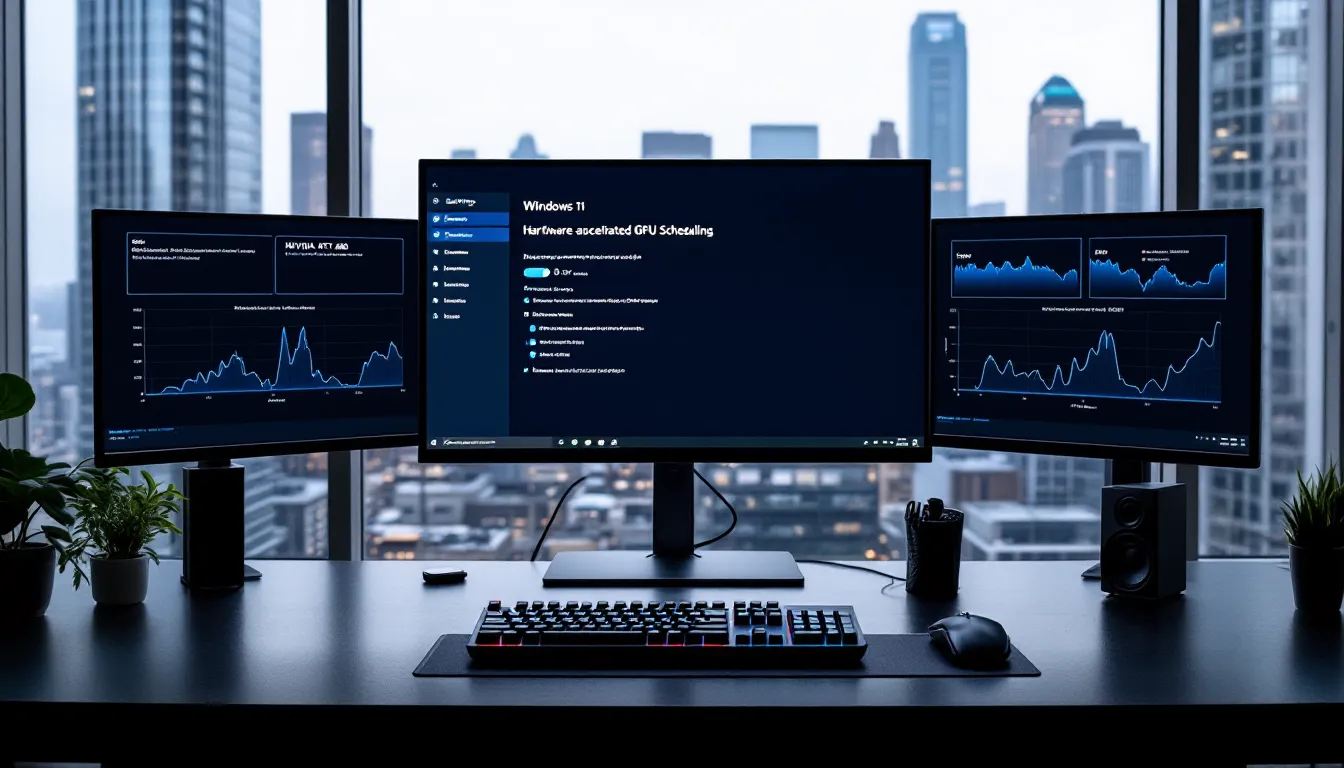


Https Www Com 2026 03 23 Microsoft Confirms Windows 11 Gaming With Windows 11 PC . How To Optimize Windows 11 For Gaming Hone Blog How To Optimize Windows 11 For Gaming . Windows Hardware Accelerated GPU Scheduling Complete Guide To Boost Airtable 1.webp. Windows 10 Vs Windows 11 Performance In Gaming YouTube . How To Optimize Windows 11 For Gaming Increase Performance And FPS




Windows 11 Vs Windows 10 Performance Gaming And TechSpot 7zip1 . How To Optimize Windows 11 For Gaming 2023 Increase FPS . How To Optimize Windows 11 For Gaming Max Performance 2023 NEW . The Ultimate Guide To Enhancing Gaming Performance On Windows 11 23H2 . How To Optimize Windows 11 For Gaming 2023 Increase FPS Performance


How To OPTIMIZE Windows 10 11 For GAMING Performance In 2024 YouTube . I Made 21 Tweaks In Windows 11 To Increase Gaming Performance And 1200 80 . Early Windows 11 25H2 Benchmarks Confirm The Update Provides No . Do THIS To Completely OPTIMIZE Windows 11 For Gaming Performance . Benchmarked Do Windows 11 S Security Features Really Hobble Gaming 970 80



6 Ajustements Essentiels Sur Windows 11 Pour Prolonger La Dur E De La Pc Snapdragon X2 Sous Windows 11 26h1 En Avril 2026. Windows 11 AI PCs Fail In Gaming Performance ShiftDelete Net Global Windows 11 Ai Pc Oyun Performansi . Tested Does Windows 11 Nuke Gaming Performance PCWorld Primary 1 9 . Windows 11 For Gaming At Edward Gratwick Blog Windows 11 Gaming . The Best Cheap Gaming Laptops For 2026 Tested For Gaming Top 3 Gaming Laptops Of 2026 - The Ultimate Guide 1200x342


Windows 11 Gaming Secrets Fix Performance Issues Fast Boost Gaming . Windows 11 Gaming Performance On AMD Ryzen 5800X Nvidia GeForce RTX . How To Reduce Latency For Gaming Using Windows 11 YouTube . Top 10 Most Anticipated Games Of 2026 What To Watch Out For GAMES IN 2026 . Tips To Optimize Windows 11 For Amazing Gaming Experience Windows How To Optimize Gaming Performance On Windows 11 1536x952