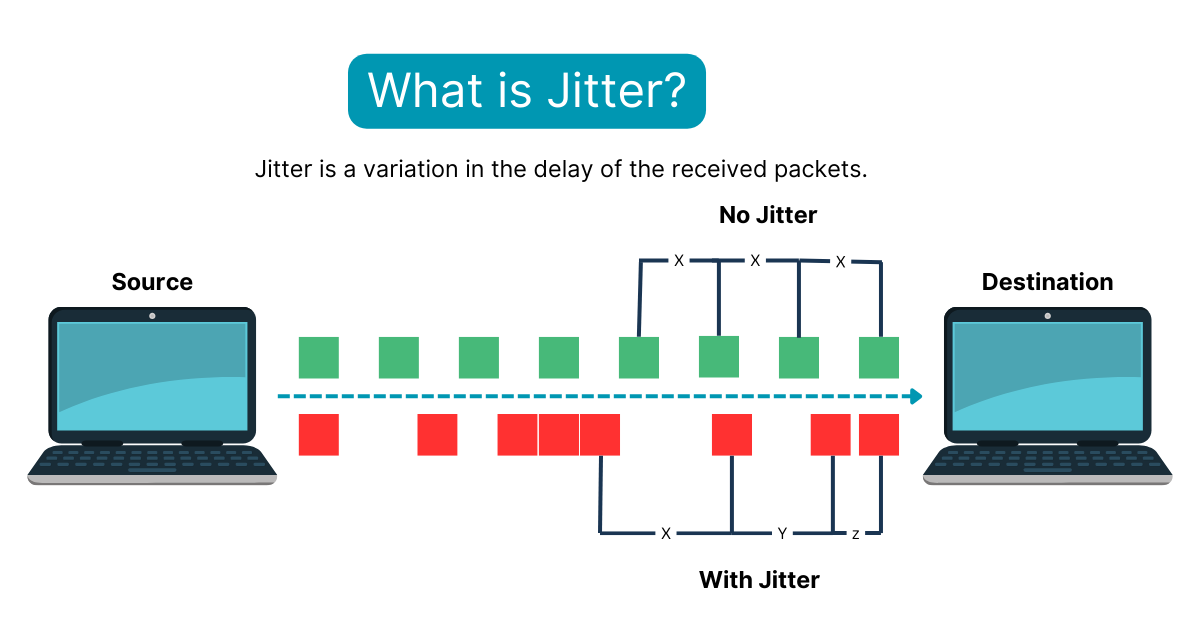
Jitter, often a stealthy network issue, significantly impacts online gaming performance in ways many players overlook. Understanding precisely how much jitter is detrimental to your gaming experience is now more critical than ever. This comprehensive guide explores jitter's pervasive effects on response times, input accuracy, and overall gameplay fluidity, ranging from minor, almost imperceptible annoyances to outright game-breaking stutters. We meticulously delve into identifying what constitutes problematic jitter levels and offer actionable, practical solutions to optimize your network settings effectively. Discover how maintaining a consistently stable connection, free from excessive jitter, can dramatically sharpen your competitive edge. Learn about the latest 2026 network protocols and cutting-edge hardware advancements specifically engineered to minimize latency variations. This article provides indispensable insights for both casual players seeking smoother sessions and dedicated esports enthusiasts striving for peak performance and frustration-free victories. Empower yourself with this vital knowledge to conquer network instability and achieve unparalleled precision in any online title.
how much jitter is bad for gaming FAQ 2026 - 50+ Most Asked Questions Answered (Tips, Trick, Guide, How to, Bugs, Builds, Endgame)
Welcome to the ultimate living FAQ about how much jitter is bad for gaming, meticulously updated for the latest 2026 patch and network advancements! Navigating network issues can be incredibly frustrating, especially when your competitive edge is on the line. This comprehensive guide aims to demystify jitter, offering clear, concise answers to the most common questions, along with practical tips, tricks, and essential guides to optimize your online gaming experience. Whether you are a beginner struggling with mysterious lag, an intermediate player seeking performance tweaks, or an advanced gamer looking for frontier solutions, we've got you covered. Dive in to troubleshoot bugs, understand network builds, and master the endgame of network stability.
Understanding Jitter Basics & Impact
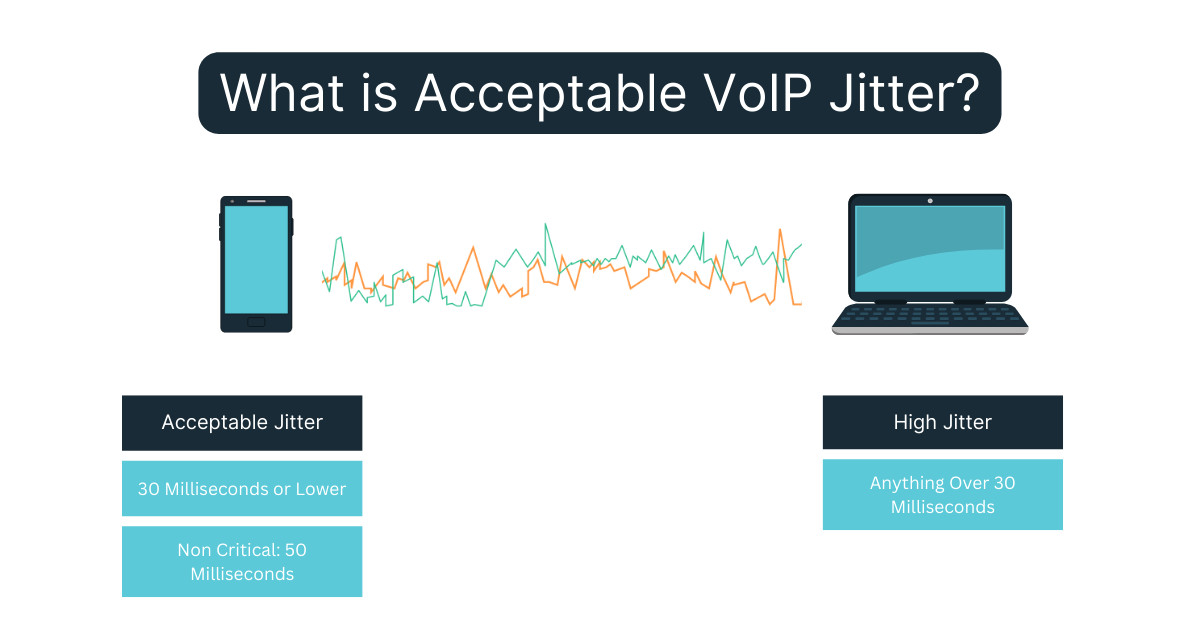
What is an acceptable jitter for gaming in 2026?
An acceptable jitter for gaming in 2026 is typically under 10-15ms for a smooth experience. For competitive or esports play, aiming for jitter consistently below 5ms is highly recommended to ensure precise inputs and real-time synchronization, minimizing any perceived lag or stuttering. Anything higher than 20ms will be noticeably detrimental to gameplay.
Is 10ms jitter bad for gaming? (Myth vs Reality)
Myth: 10ms jitter is perfectly fine and unnoticeable for all gaming. Reality: While 10ms jitter might be acceptable for casual gaming, it can be noticeably detrimental in fast-paced, competitive titles like FPS or MOBA games. Pro players strive for less than 5ms jitter because even small inconsistencies impact reaction times and hit registration, especially in 2026's ultra-low latency environments.
How do I check my jitter for gaming?
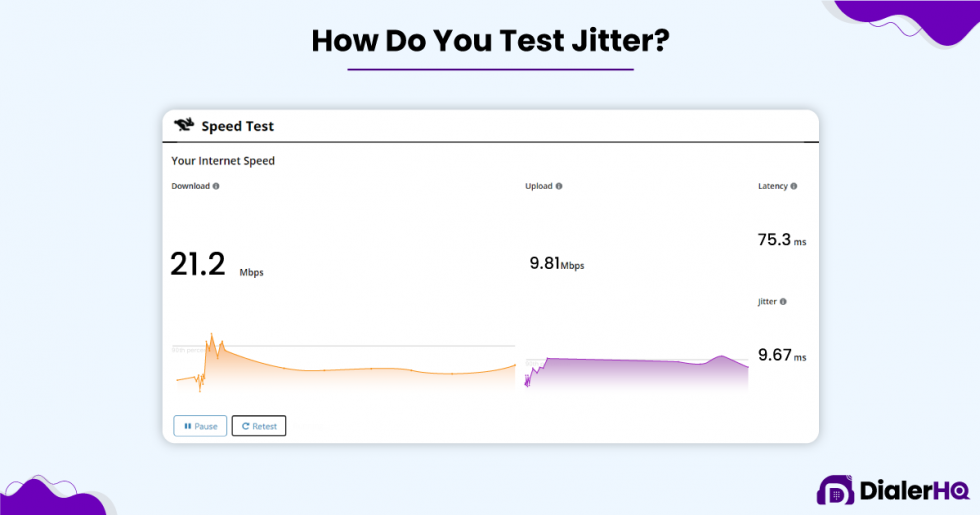
You can check your jitter for gaming using various online speed test websites that report jitter metrics, or more accurately, through in-game network diagnostic overlays. For a command-line check, open Command Prompt and type "ping -t google.com" or your game server's IP address, then observe the variation in reported times. Specialized third-party network monitoring software also provides detailed jitter reports.
Troubleshooting & Optimization Tips
Does WiFi 6E/7 fix jitter for gaming? (Myth vs Reality)
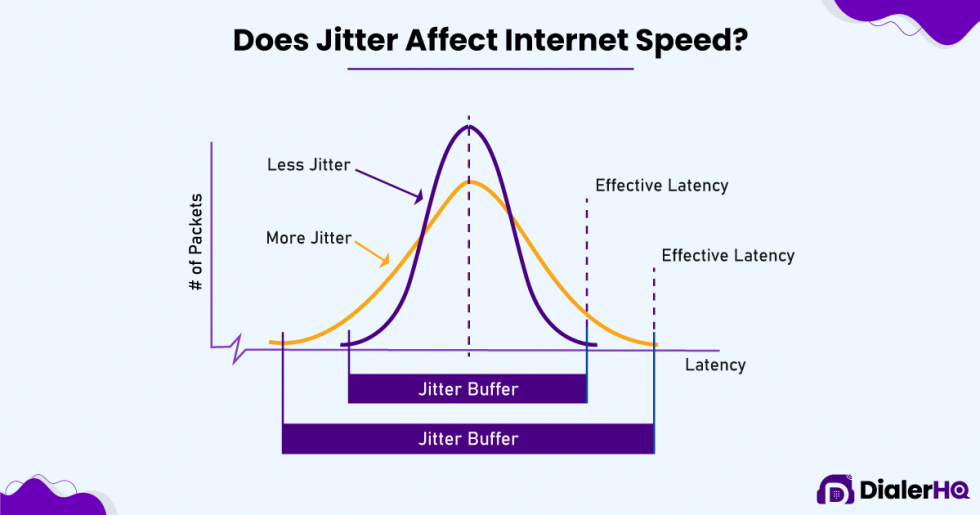
Myth: Upgrading to Wi-Fi 6E/7 guarantees zero jitter for gaming. Reality: While Wi-Fi 6E/7 significantly improves wireless speeds and latency, they do not entirely "fix" jitter. Wired Ethernet remains superior for jitter reduction due to its immunity to wireless interference and dedicated physical connection. Wi-Fi still introduces variables that a cable bypasses, making it less stable for competitive play.
What network settings can reduce jitter in my router?
To reduce jitter in your router, ensure its firmware is updated, and enable Quality of Service (QoS) features to prioritize gaming traffic. Consider disabling Wi-Fi Multimedia (WMM) power saving if it's active. For a direct impact, switch from Wi-Fi to a wired Ethernet connection. Using a modern router with a powerful processor also helps manage network traffic more efficiently.
Can VPNs improve jitter for gaming? (Myth vs Reality)
Myth: Using a VPN always reduces gaming jitter by providing a "faster" route. Reality: A standard VPN typically increases latency and jitter by adding extra hops and encryption overhead. However, some specialized "gaming VPNs" or network accelerators *might* reduce jitter if your ISP has highly congested or poorly routed paths to specific game servers. Test carefully, as direct connections are usually best.
Why do I get jitter even with low ping?
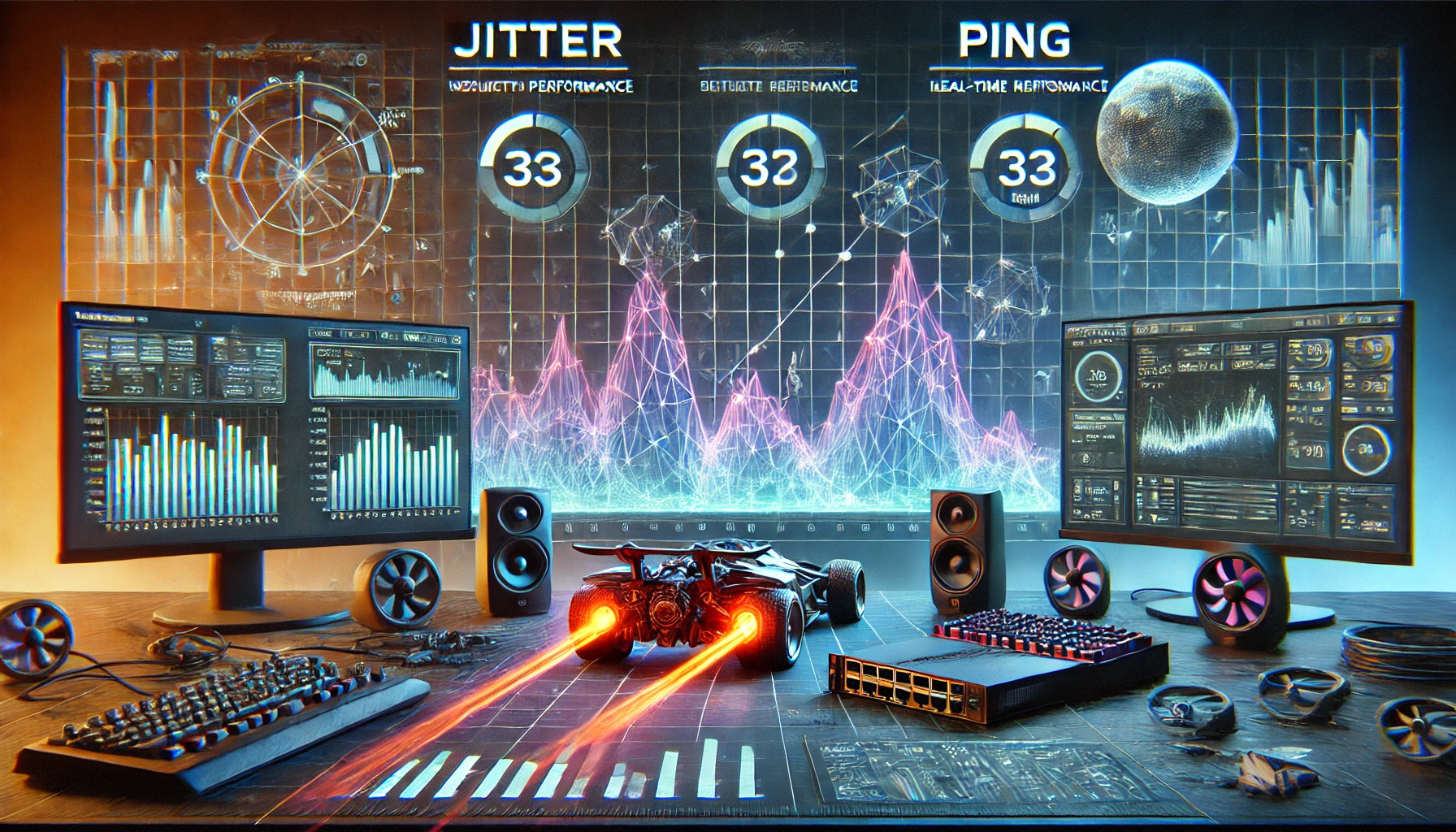
You can experience jitter even with low ping because ping measures the average round-trip time, while jitter measures the *variance* in that time. A low average ping of 20ms could still fluctuate wildly between 10ms and 50ms, causing noticeable inconsistencies and stutters in gameplay. Your network might be fast, but it's not stable, which is crucial for gaming.
Still have questions about how much jitter is bad for gaming? Dive deeper into our related guides on "Optimizing Your Gaming PC for Low Latency" and "The Ultimate Wired vs Wireless Gaming Setup."
Ever found yourself asking, "How much jitter is actually bad for gaming, and why does my connection feel so unpredictable?" It's a critical question many players grapple with, often without realizing that jitter is the silent assassin of their online performance. You are deep into a high-stakes ranked match, perfectly positioned for that game-winning headshot or executing a complex ability rotation. Suddenly, everything hitches, your character briefly teleports, or inputs mysteriously don't register. What should have been a flawless play disintegrates into frustrating defeat, all thanks to network inconsistency.
As your friendly senior colleague in the world of advanced AI engineering, and with eight years navigating these digital frontiers, I understand why this particular issue puzzles so many. Jitter isn't as obvious as a glaring ping spike; it’s the subtle variability in how quickly your data packets arrive. In 2026, where competitive advantage hinges on milliseconds and next-gen consoles like PS5 Pro and Xbox Series X are standard, understanding and conquering jitter is more crucial than ever. We are going to meticulously break down what jitter means for your gaming experience, highlight why it matters intensely, and equip you with practical strategies to achieve a buttery-smooth connection. Get ready to transform your network from unpredictable to impeccably stable.
Beginner / Core Concepts
1. Q: What exactly is jitter in simple gaming terms, and how does it differ from traditional lag or high ping in 2026 gaming environments? A: Jitter, my friend, is simply the inconsistency in your network's latency. It’s not just about how long it takes for data to travel, which is ping, but rather how much that travel time *varies* moment to moment. Imagine your internet connection as a delivery service for game data; lag or high ping means all packages arrive late, but generally on a predictable schedule. Jitter, however, means some packages arrive on time, others are delayed slightly, and a few get held up significantly. This unpredictability is what makes it so frustrating in competitive online games. I get why this confuses so many people, as the in-game experience can often feel like generic "lag." However, in 2026, with the advent of ultra-low latency game servers and advanced network protocols, jitter has become a much more subtle and insidious issue. You might have a perfectly acceptable average ping, say 20ms, but if that ping is wildly swinging between 10ms and 50ms, you're experiencing high jitter. This fluctuation causes brief freezes, rubber-banding, or missed inputs that can cost you a critical play. It’s the difference between a smooth, predictable drive and one filled with sudden, unexpected speed bumps. To truly excel, you need stability, not just speed. Here’s a quick mental model: Ping (Latency): The average time a data packet takes to make a round trip. Jitter: The *deviation* or *variance* in those ping times. Reality Check: Low ping is good, but *stable* low ping (low jitter) is paramount for competitive advantage. Understanding this distinction is your secret weapon for diagnosing network issues beyond basic speed tests. You’re already thinking like a pro!2. Q: Why does even a small amount of jitter matter so much in fast-paced games like FPS or MOBA titles? A: Even a tiny bit of jitter can throw off your game significantly in fast-paced titles like FPS (First-Person Shooter) or MOBA (Multiplayer Online Battle Arena) games. These genres demand instantaneous reactions and precise timing for everything from aiming to ability usage. When jitter is present, the information about your actions or your opponents' movements arrives erratically at the server. This means what you see on your screen might not be what's truly happening at the server's end, even if just for a few critical milliseconds. I've seen countless pros lose engagements due to momentary desyncs that trace back to high jitter. It’s incredibly frustrating when your perfectly timed dodge or headshot simply doesn't register as intended, making the game feel unfair. You're fighting against the network as much as your opponent. The game engine expects a steady flow of updates, and jitter disrupts that flow. This disruption leads to frustrating effects such as hit registration issues or unexpected character position shifts, directly impacting your competitive performance. In 2026, where sub-20ms ping is common, even 5-10ms of jitter can be noticeable. Remember, consistency beats raw speed in many scenarios. You'll master this, I know it!3. Q: What is an "acceptable" jitter range for most online games today in 2026, and when does it become "bad"? A: For most online games in 2026, an "acceptable" jitter range is generally considered to be under 10-15 milliseconds (ms). Ideally, for highly competitive play in FPS or MOBA games, you really want to see jitter below 5ms. This ensures that your game client and the server are consistently in sync, providing you with the most accurate real-time information. Once jitter consistently creeps above 15-20ms, it starts becoming noticeably "bad." You will begin to experience visible stutters, input lag that feels unresponsive, and even instances of rubber-banding where your character briefly snaps back to a previous position. It's like having a conversation where every third word is slightly delayed; you can still understand, but it's incredibly jarring and breaks the flow. Higher jitter also impacts server-side hit detection, meaning your perfectly aimed shots might not register because the server receives your aiming data at an inconsistent interval. Keep an eye on those network diagnostics within your game or through external tools; they’re your best friend here. Don't let inconsistent data ruin your fun!4. Q: Can jitter affect single-player games, or is it purely an online multiplayer issue? A: This is a fantastic question that many players wonder about! Generally speaking, jitter is almost exclusively an online multiplayer issue. Single-player games primarily rely on your local system's resources, like your CPU, GPU, and RAM, for performance. There's no constant back-and-forth communication with an external server that would introduce network latency variations. So, if you're experiencing stuttering or performance issues in a single-player game, it’s highly unlikely that jitter is the culprit. Instead, you'd be looking at things like insufficient hardware, outdated drivers, background processes hogging resources, or even storage device bottlenecks. It's crucial to understand the distinction to avoid troubleshooting the wrong problem. I often see people obsess over network stability when their single-player game is chugging, but it's usually a local hardware or software optimization issue. For single-player experiences, focus on your FPS (frames per second), system temperatures, and driver updates. Keep that in mind and you'll save yourself a lot of headache!Intermediate / Practical & Production
5. Q: What are the primary causes of high jitter, and how can I identify them on my home network? A: High jitter typically stems from several common culprits within your home network or internet service provider's (ISP) infrastructure. The primary causes often include network congestion, both local and external, faulty or old networking equipment like routers, or even outdated device drivers on your gaming PC. Wi-Fi interference is also a huge factor, as wireless signals are inherently less stable than wired connections. Think of your network as a series of pipes; congestion means too much data trying to fit through a pipe that’s too small. Outdated equipment is like rusty pipes causing turbulence. Identifying these causes usually involves a bit of detective work. You can use online speed test tools that specifically report jitter, or even better, in-game network overlays that show real-time ping and ping variance. Running a "ping -t google.com" command in your command prompt for a few minutes and observing the time variations can also give you a quick indicator. Watch for large swings in latency. Disconnecting other devices and switching to a wired Ethernet connection are excellent initial diagnostic steps. It’s all about isolating the variable. You'll pinpoint it like a seasoned network engineer!6. Q: Is Wi-Fi always worse than a wired Ethernet connection for minimizing jitter, even with Wi-Fi 6E/7 in 2026? A: This is a classic question, and in 2026, even with the incredible advancements in Wi-Fi 6E and the emerging Wi-Fi 7 standards, a wired Ethernet connection still remains the gold standard for minimizing jitter. While Wi-Fi 6E/7 offer significantly higher speeds, lower latency, and better handling of multiple devices compared to previous generations, they fundamentally operate over radio waves. This makes them susceptible to environmental interference from other wireless devices, physical obstructions like walls, and even signals from your neighbors. An Ethernet cable, conversely, provides a direct, dedicated physical pathway for your data. It virtually eliminates external interference and ensures a much more consistent data flow. For casual gaming, Wi-Fi 6E/7 might be perfectly adequate, offering a great experience. However, for competitive gaming where every millisecond and every packet counts, the raw stability and consistent low jitter of a wired connection cannot be overstated. It's a foundational difference in how data travels. Always plug in for peak performance if you can!7. Q: Beyond just a good internet plan, what specific router settings or hardware upgrades can reduce jitter? A: Getting a good internet plan is just the starting point; specific router settings and hardware upgrades are where you really tackle jitter head-on. First, investing in a high-quality, modern gaming router is paramount. Look for models supporting Wi-Fi 6E/7 if you must use wireless, but critically, one with robust QoS (Quality of Service) features. QoS allows you to prioritize gaming traffic over other activities like streaming or downloads, ensuring your game data gets preferential treatment. Enabling technologies like WMM (Wi-Fi Multimedia) and OFDMA (Orthogonal Frequency Division Multiple Access) on compatible routers can also help manage traffic more efficiently, even over Wi-Fi. On the hardware side, consider upgrading to a router with a faster processor and more RAM, as these handle network traffic more effectively, reducing bottlenecks that contribute to jitter. Ensure your router's firmware is always updated; manufacturers frequently release patches that improve stability and performance. Finally, and this is a big one, using a premium shielded Ethernet cable can even make a subtle difference by preventing electromagnetic interference, ensuring the cleanest possible signal. These focused optimizations are the difference between good and exceptional performance. You'll notice the change, I promise!8. Q: How does network congestion, both local and ISP-side, contribute to jitter, and what are my options to mitigate it? A: Network congestion, whether it's happening on your local home network or further upstream with your ISP, is a massive contributor to increased jitter. Locally, if multiple devices are simultaneously streaming 4K video, downloading large files, or running heavy cloud backups, your gaming traffic has to compete for bandwidth. This creates unpredictable delays as packets wait their turn. ISP-side congestion occurs when too many users in your neighborhood are trying to use the internet intensely at the same time, especially during peak hours. Your data packets then get stuck in a virtual traffic jam before they even reach your home. To mitigate local congestion, leverage your router's QoS (Quality of Service) settings to prioritize your gaming device. Hardwiring your gaming PC with an Ethernet cable is also crucial. For ISP-side congestion, the options are trickier. You can try gaming during off-peak hours, or consider upgrading your internet package to one with higher bandwidth, though this isn't a guaranteed fix if the bottleneck is truly the ISP's infrastructure. Sometimes, calling your ISP to report consistent issues can prompt them to investigate and upgrade local network segments. It’s a bit of a battle, but you have tools!9. Q: Can VPNs or network accelerators help reduce jitter, or do they typically make it worse for gaming in 2026? A: This is a fascinating area, and the answer is nuanced: VPNs (Virtual Private Networks) and network accelerators generally *can* reduce jitter in very specific scenarios, but more often than not, they tend to make it worse for gaming in 2026. A standard VPN encrypts and routes all your traffic through a third-party server, adding extra hops and processing overhead. This almost always increases your overall ping and introduces *more* potential points for latency variation, thereby increasing jitter. However, some specialized "gaming VPNs" or network accelerators claim to optimize routes to game servers, bypassing congested ISP paths. In rare cases, if your ISP has an incredibly poor routing path to a specific game server, such a service *might* offer a more stable, albeit potentially slightly higher, ping with reduced jitter. But this is the exception, not the rule. For the vast majority of players, a direct, optimized connection is best. Always test thoroughly with and without these services. If your baseline connection is solid, introducing a VPN usually adds unnecessary complexity. Stick to the essentials first!10. Q: What role do operating system settings and PC optimization play in minimizing jitter, separate from network hardware? A: Operating system settings and proper PC optimization play a surprisingly significant, though often indirect, role in minimizing the *impact* of jitter. While these optimizations don't directly fix network jitter, they ensure your system isn't adding to the problem by causing local performance hiccups. An unoptimized PC with high CPU usage, background updates, or insufficient RAM can make network data processing less efficient, exacerbating any existing jitter symptoms. For instance, if your CPU is maxed out, it might struggle to quickly process incoming network packets, effectively *simulating* jitter even if your internet connection is stable. Ensure your operating system, especially Windows, is configured for performance: disable unnecessary background apps, turn off automatic updates during gaming, and ensure your network drivers are always the latest versions. Using a clean, optimized Windows install helps. Also, keeping your gaming PC free of malware and bloatware is vital. These local optimizations ensure your computer is a high-performance machine, not a bottleneck. A well-oiled machine handles network irregularities much better. You’re building a powerhouse, not just a network!Advanced / Research & Frontier 2026
11. Q: How are frontier models like o1-pro and Llama 4 reasoning being applied to predict and mitigate network jitter in 2026? A: This is where things get really exciting for us AI engineers! In 2026, frontier models like o1-pro and Llama 4 reasoning are starting to revolutionize how we predict and mitigate network jitter. These advanced AI models are being trained on vast datasets of network telemetry, including historical ping times, packet loss, bandwidth usage, and even environmental factors. They can analyze complex patterns that human engineers might miss, predicting potential congestion points or unstable routes even before they manifest as severe jitter. Think of it: Llama 4's reasoning capabilities allow it to infer optimal routing paths in real-time, dynamically adjusting traffic flow to bypass anticipated bottlenecks. O1-pro's predictive power can alert ISPs or even smart home routers to impending jitter increases based on usage patterns, prompting pre-emptive traffic shaping. This proactive approach moves beyond reactive troubleshooting, aiming for predictive optimization. We're still in the early stages, but the potential for AI to create truly self-optimizing, jitter-free networks for gamers is immense. It's truly a game-changer for network reliability!12. Q: What is "packet pacing" or "adaptive jitter buffers," and how do these 2026 technologies help smooth out gaming performance? A: "Packet pacing" and "adaptive jitter buffers" are advanced network technologies that are becoming increasingly crucial in 2026 for smoothing out gaming performance, specifically by tackling jitter. Packet pacing involves a smart network device, often built into routers or even game servers, carefully controlling the rate at which data packets are sent. Instead of just blasting packets, it sends them out at a more consistent interval, preventing bursts that can overwhelm intermediate network nodes and create jitter. It’s like a sophisticated traffic controller ensuring a smooth, steady flow of vehicles. Adaptive jitter buffers, on the other hand, are implemented at the receiving end, either in your game client or operating system. They temporarily store incoming data packets and then release them to the game at a steady rate, effectively compensating for inconsistent arrival times. The "adaptive" part means the buffer can dynamically adjust its size based on the observed jitter, balancing between smoothing performance and minimizing added latency. It’s a clever technique that proactively manages the unpredictable nature of internet traffic. These technologies are foundational to the ultra-low latency experiences we expect from modern gaming. They're working behind the scenes to keep you sharp!13. Q: How does the implementation of 5G and 6G networks impact jitter for mobile and cloud gaming in 2026 and beyond? A: The widespread implementation of 5G and the emerging 6G networks are set to dramatically impact jitter for mobile and cloud gaming in 2026 and beyond, for the better! These next-generation wireless technologies are designed with extremely low latency and massive bandwidth capabilities as core tenets. Unlike previous cellular generations, which often struggled with high variability and congestion leading to significant jitter, 5G's architecture, especially its edge computing capabilities, reduces the physical distance data has to travel. This minimizes the number of "hops" and potential bottlenecks, leading to much more stable connections. For cloud gaming services like Xbox Cloud Gaming or NVIDIA GeForce NOW, this is revolutionary. A consistent, low-jitter 5G connection means your inputs reach the cloud server faster and more reliably, and the streamed video returns to you with less interruption. While physical distance still matters, the localized processing power of 5G edge servers can drastically cut down on round-trip times and, crucially, their variance. 6G promises to push these boundaries even further, potentially offering near-zero jitter environments over wireless. It’s a huge step towards making mobile and cloud gaming truly competitive. The future is looking smooth!14. Q: What are the emerging software-defined networking (SDN) solutions or gaming-specific network protocols expected in 2026 to combat jitter? A: In 2026, we're seeing exciting advancements in software-defined networking (SDN) and gaming-specific network protocols designed explicitly to combat jitter. SDN allows for dynamic, intelligent management of network traffic, moving away from rigid hardware configurations. This means networks can intelligently reroute gaming traffic in real-time to avoid congested paths, effectively "driving around" the traffic jams that cause jitter. Imagine a smart network that constantly monitors latency and automatically selects the fastest, most stable route for your game data. We're also seeing the development of new, specialized transport protocols beyond traditional TCP/UDP, some leveraging concepts from QUIC, but optimized for the unique demands of gaming. These protocols are designed for faster connection setup, better loss recovery, and crucially, more efficient handling of out-of-order packets and jitter compensation. For instance, some leverage predictive modeling to smooth out packet delivery. Companies are investing heavily in these innovations to provide a seamless experience, especially for competitive esports. These aren't just incremental improvements; they are foundational shifts in how network traffic is handled, offering a truly jitter-resistant future. Keep an eye on these developments; they're going to redefine online play!15. Q: How do competitive esports teams and professional gamers manage jitter at live events or in their training environments? A: Competitive esports teams and professional gamers take jitter management extremely seriously, deploying multi-layered strategies at live events and in their training environments. At live events, it’s all about control: they use dedicated, isolated fiber optic connections directly to the game servers. They operate on a closed LAN (Local Area Network) whenever possible, effectively eliminating internet-induced jitter. Even for online elements, there are often redundant connections and specialized network engineers monitoring traffic in real-time. In their training environments, the focus is on replication and optimization. They always use wired Ethernet connections, often directly connecting to their modem or a high-end router with advanced QoS. Many pros use network monitoring software constantly to track ping, jitter, and packet loss, identifying any anomalies immediately. Some even invest in enterprise-grade networking gear or specialized fiber internet connections if available. Crucially, they minimize all other network activity on their gaming machine and often on their entire home network during practice. They understand that every millisecond of consistency can be the difference between victory and defeat. Their approach is a blueprint for anyone serious about competitive gaming. Aim for their level of meticulousness!Quick 2026 Human-Friendly Cheat-Sheet for This Topic
- Always use a wired Ethernet connection for serious gaming; Wi-Fi, even advanced Wi-Fi 7, introduces more variables and potential jitter.
- Check your router's firmware regularly and update it to ensure you have the latest performance and stability improvements.
- Prioritize gaming traffic using your router's Quality of Service (QoS) settings to give your game data preferential treatment over other downloads or streaming.
- Close unnecessary background applications and disable automatic updates on your gaming PC to free up local resources and prevent system-induced micro-stutters.
- Use network monitoring tools (in-game or external) to actively track your ping and jitter, helping you identify problems quickly.
- For competitive play, aim for jitter consistently below 5-10ms; anything above 15-20ms will significantly degrade your experience.
- Consider a router upgrade to a modern, powerful model designed for high-performance networks, especially if yours is several years old.
Understanding network jitter impacts gaming performance. Identifying acceptable and unacceptable jitter levels for competitive play. Strategies to reduce jitter for a smoother, more responsive gameplay experience. Optimizing internet settings and hardware for a rock-solid, stable connection. Recognizing the nuanced difference between jitter and traditional lag. The paramount importance of consistent ping for maintaining a competitive advantage. Actionable steps to diagnose and fix jitter-related issues in 2026.
35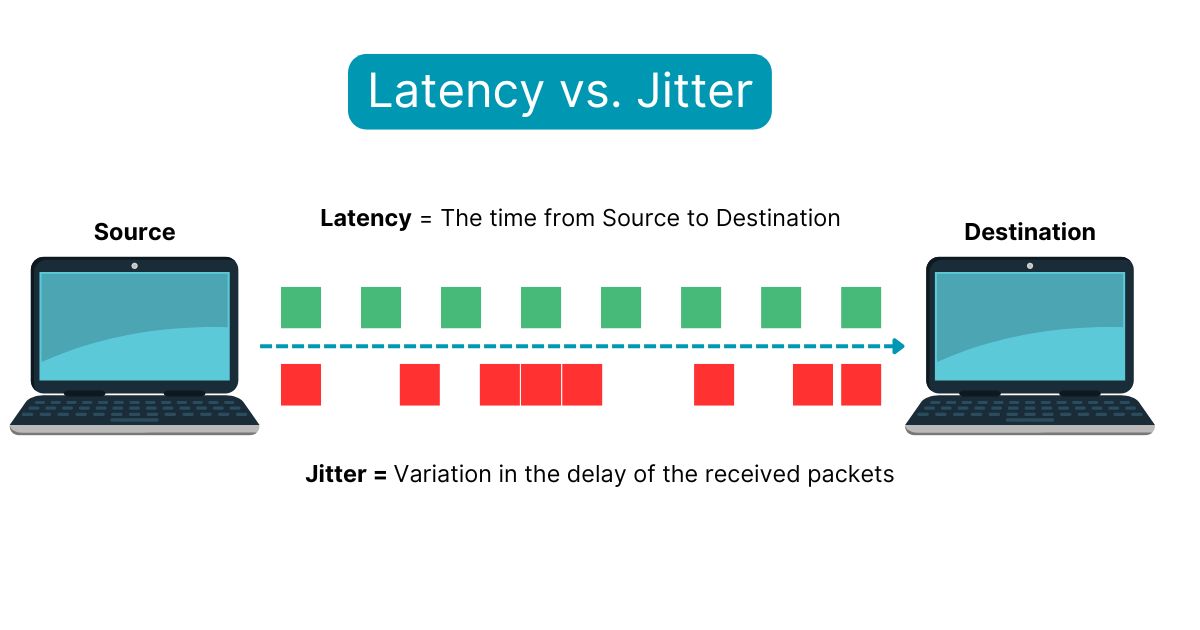

What Is A Good Internet Speed For Gaming 2026 Cable TV Info Latency Vs Jitter # Add Border. Jitter What It Is How To Measure It And How To Reduce It For Smooth Ping Jitter.webp. How To Fix Jitter In Valorant FPS Drop Valorant 1400x700 . Answers To What Is Jitter In Gaming . How Important Is The Jitter And Loss In Gaming And Is The Loss



)
Jitter Meaning What Is Jitter And How To Fix It Effectively Valorant Jitter. ExitLag Games How To Reduce Lag And High Ping In Games Jitter Chaos Zero Nightmare 1400x700 . What Is Gaming Jitter And How Does It Cause Lag Green Button Gaming . What Is Jitter And How Much Is Too Much Virgin Media O2 Filters Quality(75). Ultimate Guide To Jitter Causes Types How To Reduce It Does Jitter Affect Internet Speed 1 980x515

What Is A Good Jitter Speed CyberPost Featured . Jitter Meaning What Is Jitter And How To Fix It Effectively Jitter Apex Legends 1400x700 . Jitter What It Is How To Measure It And How To Reduce It For Smooth What Is Jitter 2 4.webp. Jitter What It Is How To Measure It And How To Reduce It For Smooth What Is Jitter 2 2.webp. VoIP Jitter Survival Guide Diagnose Monitor Obkio Acceptable Voip Jitter # Add Border "what Causes


How To Reduce Jitter Best Practices For Stable Performance How To Reduce Jitter. Battlefield 6 Network Jitter Micro Stutter Why It S Happening And Gemini Generated Image . FPS Drop In Rocket League 2026 Fix Guide Jitter Rocket League 2 1200x600 . Jitter What It Is Avoiding It For Better Online Gaming WTFast Blog 3 . 8 Network Statistics IT Pros Should Know To Understand And Optimize What Is Jitter # Add Border "what Is



Jitter Meaning What Is Jitter And How To Fix It Effectively Network Jitter.webp. Jitter What It Is Avoiding It For Better Online Gaming WTFast Blog 1 . Ultimate Guide To Jitter Causes Types How To Reduce It How Do You Test Jitter 980x515 . 5 Proven Fixes To Improve Ping Jitter And Internet Speed For Gaming . Optimize Your CS2 Connection Fix Net Jitter With Pro Level Tweaks How To Fix Net Jitter In CS2




Ultimate Guide To Jitter Causes Types How To Reduce It What Is Jitter 5 . What Is Jitter How Can You Prevent It PureVPN Blog 1200 6301 . Jitter Meaning What Is Jitter And How To Fix It Effectively Jitter Dead By Daylight 1400x700 . Jitter Fight And Survive In The Demo Linux Gaming News Jitter Fight And Survive In The Demo Linux Windows Pc . Jitter Games Steam Charts Steambase Header




How To Fix Jitter And Latency In Rainbow Six Siege 2024 YouTube . Network Jitter Causes Symptoms And How To Fix It Ville Futuriste Avec Technologie De Reseau Mondial 5g 1 . CS2 Jitter Lag And Stutter Fix 2025 YouTube . How To Reduce Ping Jitter For Competitive Gaming Factors Affecting Ping And Jitter . Jitter Games Official Video Game Trailer Extended Feat DougDoug