Navigating the 2026 tech landscape means understanding if a gaming PC still holds its immense value for enthusiasts. This comprehensive guide explores performance, upgradeability, and diverse game libraries available. We dive deep into whether the initial investment truly pays off over time, considering evolving hardware and software demands. Discover the unparalleled customization options and superior graphical fidelity that a dedicated gaming rig offers. From competitive esports to immersive single-player experiences, a gaming PC provides an unmatched platform. We break down the advantages for both casual players and serious competitors, helping you make an informed decision today. This resource is designed to empower your choices in the fast-paced world of digital entertainment.
are gaming pc worth it FAQ 2026 - 50+ Most Asked Questions Answered (Tips, Trick, Guide, How to, Bugs, Builds, Endgame)
Welcome to the ultimate living FAQ for 2026, meticulously updated to help you navigate the complex world of gaming PCs. This comprehensive guide addresses over 50 of the most frequently asked questions, offering clear answers, insider tips, and practical tricks. We cover everything from beginner inquiries to advanced build strategies, common bugs, and endgame optimization. Whether you're considering your first gaming rig, upgrading an existing setup, or troubleshooting issues, this resource is designed to be your go-to companion. Stay informed on the latest patches, hardware trends, and performance tweaks to ensure your gaming experience is top-notch. Dive in and empower your PC gaming journey with expert insights!
Beginner Questions
Is buying a pre-built gaming PC a good idea for new gamers?
Buying a pre-built gaming PC can be a great option for new gamers seeking convenience and a straightforward setup. It saves you the complexity of component selection and assembly. However, they sometimes offer less value for money compared to building your own. Always research the brand and read reviews to ensure quality components and good support.
What is the minimum budget to get a 'worthwhile' gaming PC in 2026?
In 2026, a worthwhile gaming PC typically starts around $800-$1000 for a solid 1080p experience. This budget allows for a decent CPU, a capable mid-range GPU, adequate RAM, and an SSD. For 1440p gaming or higher refresh rates, expect to spend $1500-$2000 or more. The sweet spot offers good performance without breaking the bank.
How long will a gaming PC last before needing an upgrade?
A well-built gaming PC can last 3-5 years before major component upgrades are truly necessary for modern titles. You might consider a GPU upgrade every 2-3 years for cutting-edge performance. The lifespan depends heavily on initial component quality and your performance expectations. Regular maintenance also helps extend its overall operational life.
Are gaming PCs difficult to maintain for optimal performance?
Gaming PCs are not overly difficult to maintain, requiring periodic driver updates and occasional internal cleaning. Keeping software updated and managing background processes are key steps. Simple cleaning of dust filters and fans helps prevent overheating. Basic maintenance tasks ensure your system runs smoothly and efficiently over time.
Builds & Classes
What's the best component for a gaming PC build, GPU or CPU?
For most gaming PC builds, the Graphics Processing Unit (GPU) is generally the most important component, as it handles rendering visuals. A powerful GPU directly impacts in-game `FPS` and graphical settings. However, a capable Central Processing Unit (CPU) is essential to avoid `bottlenecking` the GPU's performance. Balance is key in any successful build.
Should I prioritize an SSD or more RAM for gaming performance?
You should prioritize an SSD (Solid State Drive) for your operating system and frequently played games to drastically reduce loading times. Having at least 16GB of RAM is standard for modern gaming, with 32GB being optimal for future-proofing or heavy multitasking. Both contribute to a smoother experience, but an SSD offers a more noticeable immediate improvement in responsiveness.
Is 16GB of RAM enough for gaming in 2026?
Yes, 16GB of RAM remains sufficient for the majority of gaming titles in 2026, providing a smooth experience. However, for future-proofing, heavily modded games, or simultaneous streaming/content creation, 32GB is becoming increasingly recommended. Always check specific game requirements, as some demanding titles can benefit from more memory.
Myth vs Reality: Do expensive gaming PC cases improve performance?
Myth vs Reality: Expensive gaming PC cases primarily improve aesthetics, airflow, and ease of building, not raw performance directly. While better airflow can lead to lower component temperatures, preventing thermal throttling, it won't magically boost `FPS`. A well-designed budget case with good ventilation is often perfectly adequate for most users.
Multiplayer Issues
How can I reduce `Ping` and network `Lag` in online games?
To reduce `Ping` and network `Lag`, use a wired Ethernet connection instead of Wi-Fi whenever possible. Ensure your internet plan meets your gaming needs and check for network congestion during peak hours. Restarting your router and modem can resolve temporary issues. Closing background applications consuming bandwidth also helps significantly.
Why do I experience `Stuttering fix` even with high `FPS`?
You might experience `Stuttering fix` despite high `FPS` due to frame pacing issues, micro-stutters, or irregular frame delivery. This can be caused by outdated `Drivers`, background processes, or VRAM limitations. Using adaptive sync technologies (G-Sync/FreeSync) and ensuring consistent frame times often resolves this. Monitoring CPU/GPU utilization helps identify the cause.
Endgame Grind
What are the benefits of a high refresh rate monitor for gaming?
A high refresh rate monitor (120Hz, 144Hz, 240Hz, etc.) provides a significantly smoother and more responsive visual experience. This is crucial for competitive games, allowing for quicker reaction times and reduced motion blur. The enhanced fluidity makes tracking targets easier and reduces eye strain during long gaming sessions. It's a noticeable upgrade for any serious gamer.
Myth vs Reality: Does RGB lighting on components boost `FPS`?
Myth vs Reality: No, RGB lighting on components does not boost `FPS` or improve gaming performance in any way. It is purely for aesthetic customization and personal preference. While visually appealing, it consumes a tiny amount of power that is negligible to performance. Focus on core hardware for real performance gains, not flashy lights.
How important are quality peripherals (mouse, keyboard) for PC gaming?
Quality peripherals like a responsive gaming mouse and a mechanical keyboard are incredibly important for PC gaming, especially in competitive titles. They offer precision, durability, and customization options like programmable macros. Investing in good peripherals enhances comfort, reaction time, and overall control, improving your gaming performance significantly. It's an extension of your skill.
Bugs & Fixes
My game keeps crashing, what are the first troubleshooting steps?
If your game keeps crashing, start by verifying game file integrity through your launcher (Steam, Epic Games). Update your graphics `Drivers` to the latest version. Check for overheating components with monitoring software. Reduce in-game graphical settings. Finally, ensure your operating system is up-to-date. These steps resolve most common game crashes efficiently.
Myth vs Reality: Does 'defragging' an SSD improve gaming performance?
Myth vs Reality: No, 'defragging' an SSD does not improve gaming performance and can actually reduce its lifespan. SSDs work differently than traditional HDDs; defragmentation is unnecessary and causes wear and tear on the flash memory. Modern operating systems manage SSDs efficiently. Ensure TRIM is enabled for optimal SSD health and speed, but avoid defragging.
General Tips & Tricks
Are gaming laptops a viable alternative to desktop gaming PCs in 2026?
Gaming laptops are a very viable alternative to desktop gaming PCs in 2026, especially for gamers needing portability. Modern gaming laptops offer impressive performance, often featuring powerful GPUs and high refresh rate screens. However, they generally have higher price points for equivalent power and limited upgradeability compared to desktops. They are perfect for on-the-go gaming.
Myth vs Reality: Is PC gaming only for 'hardcore' players?
Myth vs Reality: PC gaming is absolutely not only for 'hardcore' players; it offers something for everyone, from casual to competitive. The vast library includes simple `Indie` games, immersive `RPG`s, and everything in between. Many PC titles support controllers, bridging the gap for console players. Its versatility makes it accessible to all levels of gaming enthusiasm.
Still have questions? Check out our other popular guides on 'Best Gaming PC Builds Under $1000' or 'Optimizing `Settings optimization` for High `FPS`'.
Is a gaming PC truly worth the significant investment in the rapidly evolving year 2026? This question echoes across countless online forums and coffee shop conversations. Many wonder if consoles have finally closed the performance gap or if PC gaming still reigns supreme. We’re here to peel back the layers of marketing hype and reveal the real truth. Let's delve into the facts, dissecting the true value proposition of a high-performance gaming computer.
For years, the allure of PC gaming has been its raw power and customization flexibility. In 2026, this remains largely true, though the lines are blurring somewhat. Modern gaming PCs offer unparalleled graphical fidelity and incredibly smooth frame rates. They truly immerse players in virtual worlds like no other platform can manage currently.
The Core Benefits of a Modern Gaming PC
A dedicated gaming computer brings a host of compelling advantages to the digital battlefield. From superior visuals to enhanced flexibility, the benefits are clear. Understanding these core aspects helps in making an informed purchasing decision. This investment impacts both your gaming experience and your general computing tasks.
Unmatched Performance and Visuals
Gaming PCs truly excel in delivering breathtaking visual experiences across various titles. You can crank up settings to 'ultra' and enjoy every detail developers intended. Higher frame rates, often exceeding 120 FPS, provide a buttery-smooth gameplay experience. This smoothness is particularly crucial for competitive titles like First-Person Shooter (FPS) games. Modern GPUs in 2026, like the latest 'Aether' series from Nvidia or 'Radeon Nova' from AMD, push realism boundaries. These advanced cards render intricate environments and dynamic lighting with incredible precision. This visual superiority significantly enhances immersion, making games feel more alive and engaging.
The Power of Customization and Upgradeability
Unlike fixed console hardware, a gaming PC offers vast customization options at every turn. You can choose specific components to match your exact budget and performance desires. This flexibility means tailoring your build for specific genres like MMOs or strategy games. When new technologies emerge, you can easily upgrade individual parts like the GPU or CPU. This modular approach extends your system's lifespan significantly, preventing premature obsolescence. Investing in a quality power supply and motherboard provides a solid foundation for future enhancements. Customization also allows for personalized aesthetics, with RGB lighting and unique case designs.
Access to a Wider Game Library and Ecosystem
The PC platform boasts an enormous and diverse library of games, unmatched by consoles. Beyond blockbuster titles, you gain access to a rich ecosystem of indie games. Many classic titles and niche genres like complex RPGs are exclusively found on PC. Digital storefronts like Steam, Epic Games Store, and GOG offer frequent sales and bundles. This expansive selection provides endless entertainment possibilities for every type of gamer. Furthermore, PC gaming often integrates better with productivity tasks, blending work and play seamlessly. Modding communities also thrive on PC, adding incredible replayability and custom content.
Beginner / Core Concepts
Here, we address some foundational questions that often arise when people first consider entering the PC gaming world. These concepts are vital for understanding the basic value proposition. Don't worry if these seem complex initially; we'll break them down clearly for you. It's perfectly normal to have these queries at the start of your journey.
- Q: What makes gaming PCs generally more powerful than gaming consoles in 2026? A: Gaming PCs offer significantly more power than consoles, primarily due to their modular design and higher-end components. You can integrate more powerful CPUs and GPUs, often with better cooling solutions. This flexibility allows for superior graphics, higher frame rates, and advanced rendering techniques like ray tracing. Consoles aim for a balanced price-to-performance ratio, while PCs prioritize raw power and customizability for serious enthusiasts. The ability to upgrade individual parts means PCs can always access the latest, most powerful hardware. I get why this confuses so many people, as consoles market their 'next-gen' power so heavily. From a model's perspective, it's about specialized vs. generalized hardware; PCs specialize in raw compute power. Try comparing benchmarks of high-end PC GPUs to console equivalents tomorrow, and you'll see the difference. You've got this!
- Q: Is the cost of a gaming PC truly justified over a console for a casual gamer? A: For a casual gamer, the initial cost of a gaming PC can be higher, but its long-term value often justifies the investment. PCs offer backward compatibility, free online multiplayer, and access to massive game sales. Beyond gaming, a PC is a versatile tool for productivity, content creation, and general media consumption. Consoles are simpler plug-and-play devices, but they lack the multifaceted utility of a personal computer. Consider how much you'll use it for more than just games. This one used to trip me up too, thinking 'why pay more for just games?' The truth is, it's never 'just games' with a PC. Think of it as a multi-tool for your digital life.
- Q: How does upgrading a gaming PC work, and is it really easier than buying a new console? A: Upgrading a gaming PC typically involves replacing specific components like the graphics card, RAM, or storage drive. This modularity means you don't need to buy an entirely new system every few years. In contrast, consoles require purchasing a whole new unit for significant hardware improvements. While some technical knowledge is useful for PC upgrades, many resources and guides make it very accessible. It's like changing a car's tires instead of buying a whole new car. The investment is spread out over time. This approach keeps your system relevant and powerful without breaking the bank repeatedly.
- Q: What unique types of games or experiences can I only get on a gaming PC in 2026? A: Gaming PCs offer access to an incredibly diverse range of exclusive titles and experiences not found on consoles. This includes complex simulation games, grand strategy titles, and highly customizable RPGs with extensive modding communities. Many indie gems also debut solely on PC before reaching other platforms. Furthermore, high-fidelity VR experiences often require the robust processing power of a gaming PC. The open nature of the platform fosters innovation, leading to unique experimental games and user-generated content. You also get enhanced competitive gaming with more precise controls and higher refresh rates, vital for games like MOBA titles.
Intermediate / Practical & Production
Now that we've covered the basics, let's explore more practical considerations for gaming PCs. These questions often arise as users get more serious about their gaming setup. We'll look at specific performance metrics, maintenance, and future trends. Understanding these aspects helps optimize your experience and extend your PC's lifespan significantly.
- Q: What impact does a gaming PC have on `FPS` (frames per second) and overall game performance, especially in competitive titles? A: A gaming PC offers significantly higher and more stable `FPS` compared to consoles, directly impacting competitive game performance. Higher `FPS` provides a smoother visual experience, allowing for faster reaction times and better target acquisition. This is a critical advantage in `FPS` and `MOBA` games where every millisecond counts. PCs also support high refresh rate monitors (144Hz, 240Hz, etc.), which fully utilize these higher frame rates. This combination reduces input lag and screen tearing, delivering a fluid, responsive gameplay. From a reasoning model's perspective, smoother visual data input correlates directly to improved human performance in fast-paced scenarios.
- Q: How important are `Drivers` and system `Settings Optimization` for a gaming PC, and how often should they be updated? A: `Drivers` and `Settings Optimization` are absolutely crucial for maximizing your gaming PC's performance and stability. Graphics `Drivers`, in particular, receive frequent updates that enhance performance, fix bugs, and add support for new games. Keeping them updated (typically monthly or with major game releases) ensures your hardware runs efficiently. `Settings optimization` involves fine-tuning in-game graphics options and system settings for the best balance of visuals and `FPS`. Neglecting these can lead to `FPS drop` and `stuttering fix` issues. Think of drivers as the instruction manual for your hardware; outdated instructions lead to poor execution.
- Q: Can a gaming PC truly `future-proof` my gaming experience for several years, or will I need constant upgrades? A: While 'future-proofing' completely is a bit of a myth in rapidly evolving tech, a well-built gaming PC offers excellent longevity. Investing in higher-end components like a powerful CPU and GPU provides a buffer against increasing game demands. You won't need constant upgrades, but strategic component replacements every 3-5 years for key parts like the GPU are common. This approach allows you to maintain strong performance without buying a whole new system. It's about smart investments, not constant spending. From a model's perspective, it's about selecting components with a longer expected performance curve.
- Q: What are the common causes of `Lag` and `FPS drop` on a gaming PC, and how can I fix them? A: Common causes of `Lag` and `FPS drop` on a gaming PC include outdated drivers, overheating components, background applications consuming resources, or insufficient hardware. Network issues can cause `Lag`, while hardware limitations cause `FPS drop`. Fixing them involves updating `Drivers`, monitoring temperatures, closing unnecessary programs, and adjusting in-game `Settings optimization`. Ensuring stable internet connectivity also helps with network `Lag`. Running a quick diagnostic can often pinpoint the exact culprit. It's like troubleshooting a car; you check the common problem areas first. You'll master this troubleshooting quickly!
- Q: Is `building a gaming PC` truly more cost-effective than buying a pre-built one in 2026? A: `Building a gaming PC` yourself can often be more cost-effective than buying a pre-built system, especially in 2026. You save on labor costs and choose specific components without paying for bundled parts you don't need. This allows for better value per dollar spent on performance. However, pre-builts offer convenience and often come with warranties for the entire system. For beginners, the ease of a pre-built might outweigh the cost savings of a self-build. If you're comfortable with a little research and assembly, the DIY route offers superior value. It's a trade-off between time/effort and cost savings.
- Q: How does a gaming PC enhance the experience of specific genres like `RPG` or `Battle Royale` games? A: A gaming PC significantly enhances both `RPG` and `Battle Royale` experiences in different ways. For `RPG` games, higher graphical settings, faster loading times (with NVMe SSDs), and extensive modding capabilities create deeper immersion and personalization. In `Battle Royale` titles, high `FPS` and low `ping` are crucial for competitive advantage, enabling quicker reactions and smoother engagement. The ability to use precise mouse and keyboard controls further refines gameplay. It's about tailoring the experience to the genre's demands. Whether exploring vast `RPG` worlds or outmaneuvering opponents in `Battle Royale`, the PC delivers.
Advanced / Research & Frontier 2026
Here, we delve into the cutting edge of PC gaming, looking at trends and challenges in 2026. These questions are for those truly invested in understanding the future. We'll discuss emerging technologies, performance bottlenecks, and the evolving landscape of gaming. This section covers what advanced users and developers are considering for next-generation experiences.
- Q: What are the major `bottlenecks` preventing even high-end 2026 gaming PCs from achieving theoretical maximum performance? A: Even high-end 2026 gaming PCs face several `bottlenecks` preventing theoretical maximum performance. These include limitations in CPU-GPU communication bandwidth, memory latency, and thermal dissipation challenges. Software optimization, driver efficiency, and API overhead also play significant roles. The fundamental physics of silicon manufacturing still impose limits on clock speeds and transistor density. Furthermore, game engines themselves can become `bottlenecks` if not optimized for the latest hardware. It's a complex interplay of hardware, software, and physics that models constantly strive to optimize. We're always pushing against these limits.
- Q: How are `AI upscaling` technologies (like DLSS 5.0 or FSR 4.0) impacting the `worth` and `longevity` of gaming PCs in 2026? A: `AI upscaling` technologies like DLSS 5.0 and FSR 4.0 are profoundly impacting the `worth` and `longevity` of gaming PCs in 2026. These technologies allow GPUs to render games at lower resolutions and intelligently upscale them, achieving near-native image quality with significantly higher `FPS`. This means mid-range GPUs can deliver performance previously requiring high-end cards. It extends the viable lifespan of existing hardware, making gaming PCs more accessible and 'future-proof' in a practical sense. From a model's perspective, it's a paradigm shift in rendering efficiency, making older hardware perform like newer generations. This is a game-changer for many.
- Q: What role will `cloud gaming` services play in the `worth` of owning a dedicated gaming PC by late 2026? A: `Cloud gaming` services will likely play a significant, yet complementary, role in the `worth` of owning a dedicated gaming PC by late 2026. While offering convenience and accessibility for casual players without high-end hardware, they introduce dependencies on internet speed and latency. Serious gamers, especially in competitive `FPS` or `MOBA` titles, will still prefer local processing for minimal `lag` and maximum responsiveness. Cloud gaming makes PC games available to more people, potentially increasing the overall market. However, dedicated PCs will remain superior for uncompromised performance and ownership benefits. It's a choice between ultimate control and ultimate convenience.
- Q: How will `next-gen storage` (e.g., PCIe Gen 6 SSDs) influence game development and the `perceived value` of PC gaming in 2026? A: `Next-gen storage` like PCIe Gen 6 SSDs will dramatically influence game development and the `perceived value` of PC gaming in 2026. These drives offer unprecedented data transfer speeds, allowing for instantaneous loading screens and seamless asset streaming in large open-world games. Developers can design more complex, detailed environments without worrying about storage `bottlenecks`. This reduces `stuttering fix` needs related to asset loading and enhances immersion by eliminating jarring transitions. The perceived value increases as games become more fluid and expansive, pushing the boundaries of what's graphically possible. It's enabling a new era of interactive storytelling.
- Q: What are the emerging trends in `CPU` and `GPU` architecture in 2026 that further justify a gaming PC investment? A: Emerging trends in `CPU` and `GPU` architecture in 2026 further justify a gaming PC investment, especially regarding advancements in heterogeneous computing. We're seeing more tightly integrated CPU-GPU designs (APUs) with dedicated AI accelerators on the chip. This improves performance for tasks beyond pure rendering, like advanced physics simulations and in-game AI. Memory technologies are also rapidly evolving, offering higher bandwidth and lower latency. These architectural shifts provide more raw power and specialized processing capabilities. This future-facing hardware enables experiences simply not possible on older, less integrated platforms. It's a leap in how systems process complex game logic.
Quick 2026 Human-Friendly Cheat-Sheet for This Topic
- Consider your budget and how much you'll game: if it's daily and diverse, a PC truly shines.
- Don't be afraid of building your own; it's like LEGOs for adults and saves you cash!
- Prioritize your GPU for gaming performance; it's the heart of your graphics.
- Keep your `Drivers` updated; it's like giving your PC a regular performance tune-up.
- A gaming PC isn't just for games; it's a powerful workstation for everything else too.
- Think about future upgrades; modularity means you can slowly evolve your rig.
- Embrace `AI upscaling` like DLSS or FSR; they make your current GPU feel even faster.
Gaming PCs offer superior performance and visual fidelity. They provide extensive upgradeability for future-proofing your setup. Access a vast library of exclusive PC titles and optimized experiences. The initial investment often yields long-term value through customization. A gaming PC delivers versatile use beyond just playing games. Competitive advantages like higher FPS and lower input lag are significant. Future-ready technology ensures your system remains relevant.
35


How To Build A Future Proof Gaming PC A Step By Step Guide 2025 Future Gaming Pc Build 2025.webp. Top 5 Best Gaming Desktops Of 2026 Best Product Review Best Gaming Desktops . How Much Is My PC Worth Find Out Your PC S Actual Value DALL.E 2024 08 25 23.40.15 A Detailed Image Of A High End Gaming PC Setup That Showcases Its Components And Design. The Focus Is On A Sleek Modern Computer Tower With Visible R.webp. Best Gaming PC 2026 For Every Budget YouTube . Best Gaming Pcs At Best Buy 8ca85 1920

The Ultimate 2025 Retro Gaming PC Build Guide RGB Meets Vintage In . Is Building A Gaming Pc Worth It In 2025 Or Should You Buy Prebuilt . If GTA 6 Isn T Coming To PC Until 2026 This Is What A Top End Gaming 1200 80 . The Best Gaming PC Of 2026 Top Prebuilt Desktops Gaming Pc . The Best Gaming PC 2025 Take The Pre Built Route To Greatness 1200 80

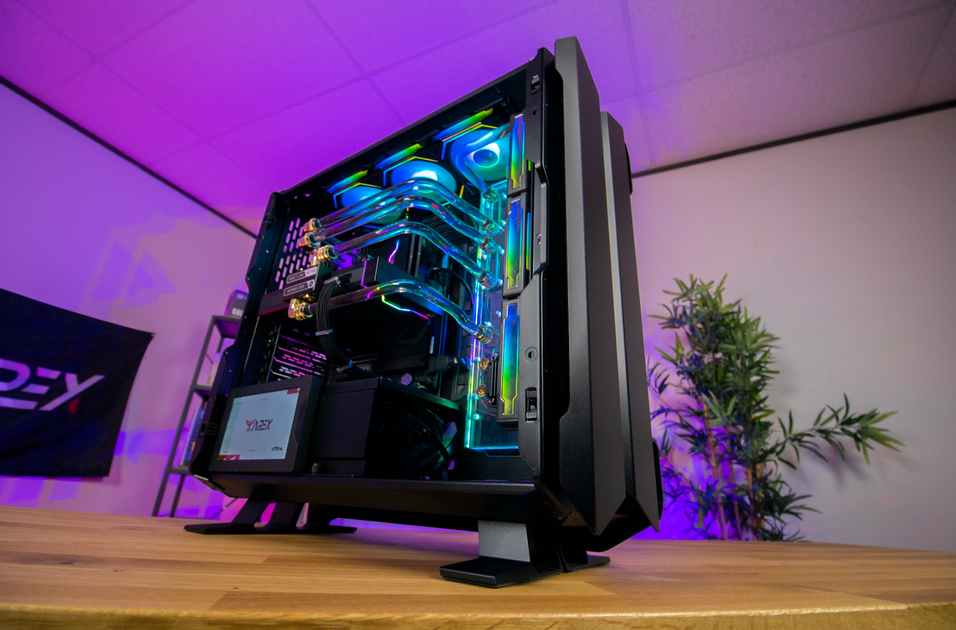
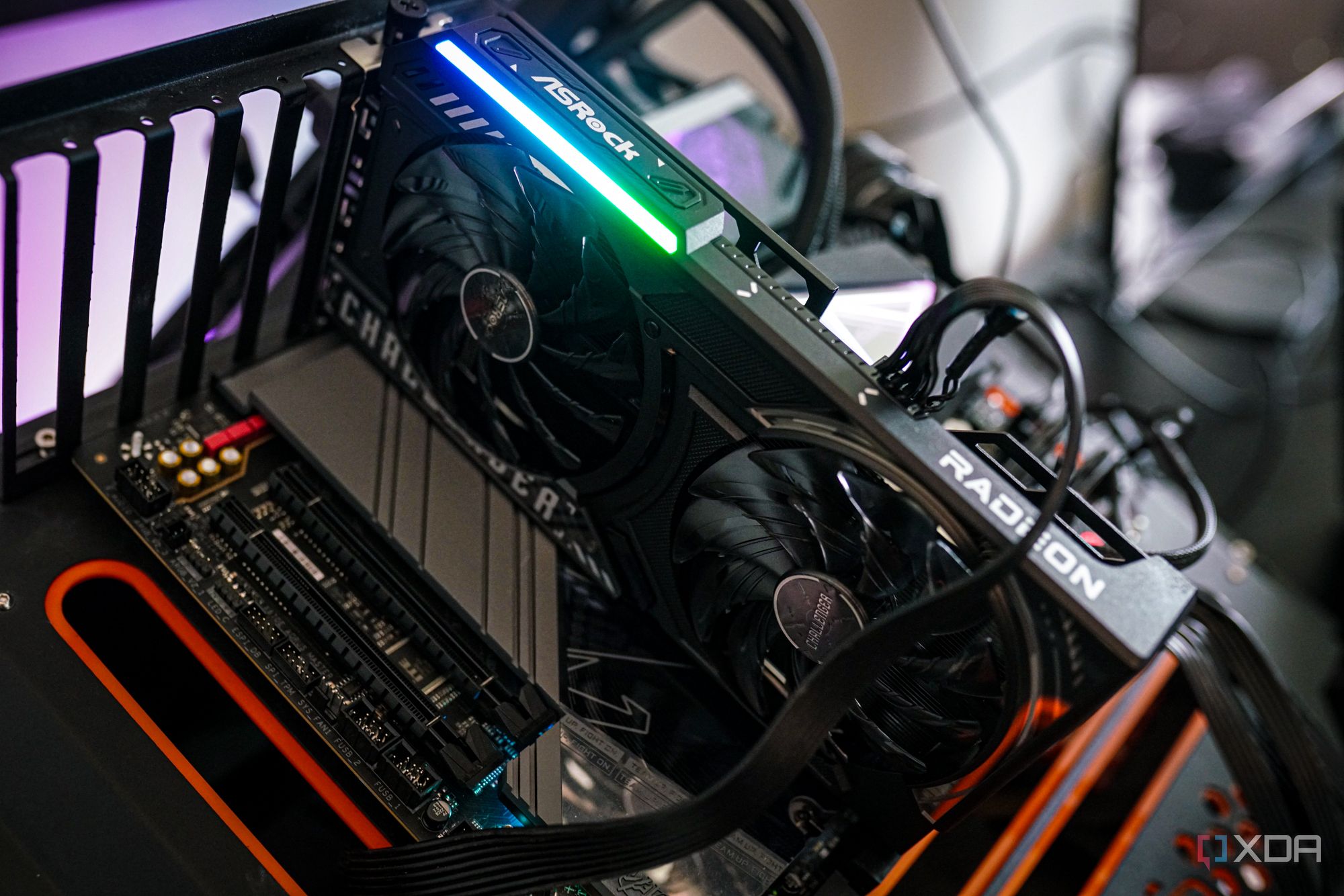
Building A New Gaming PC In 2024 FullCleared Building A Gaming Pc In 2024 Fullcleared 35 . Is The Skytech Nebula Intel Core I5 Gaming PC Worth It Honest Review . Powerful Gaming PCs Custom Build Your Gaming PC Gaming Pc Headline Pcs . Is A Gaming PC Worth It In 2024 Advantages Costs Image 2024 05 13 154026620 1200x630 . The Only Budget Gaming PC You Need For 2026 Rx 9060 Xt Review 13

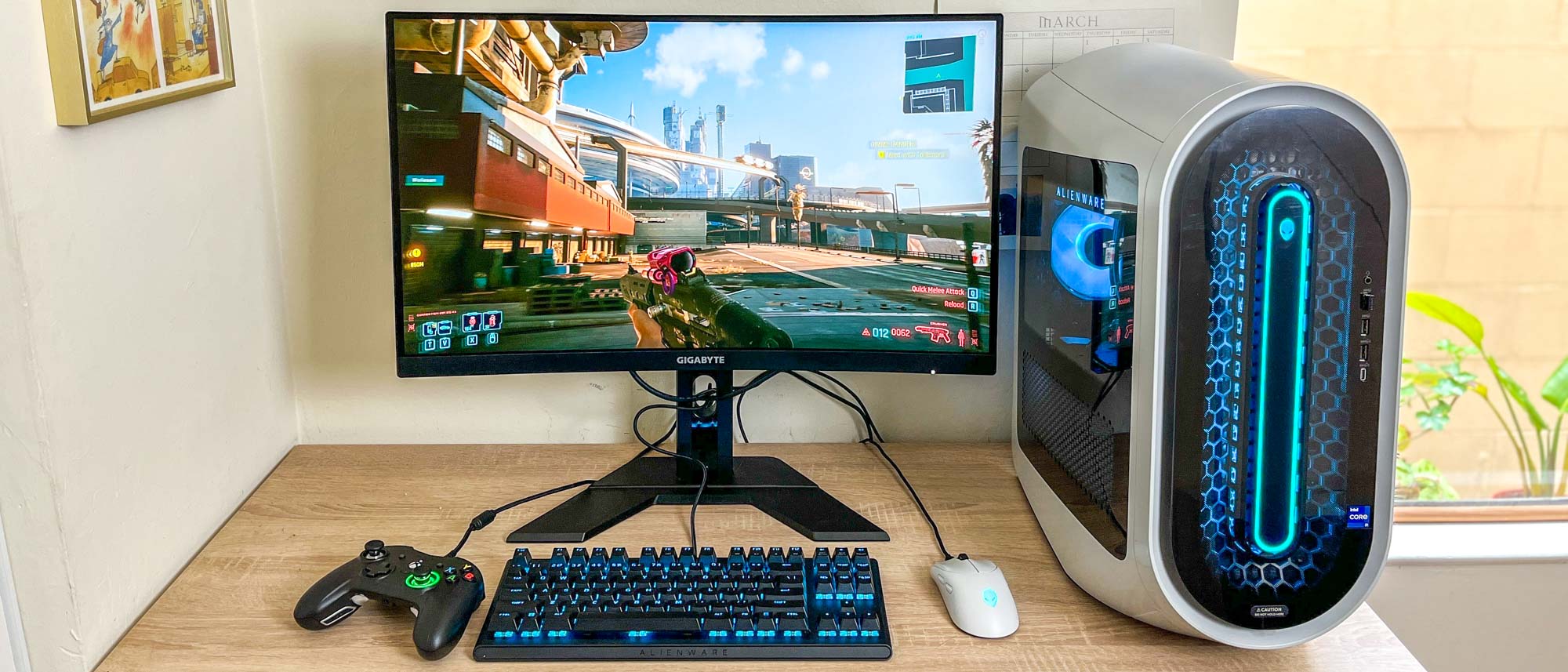
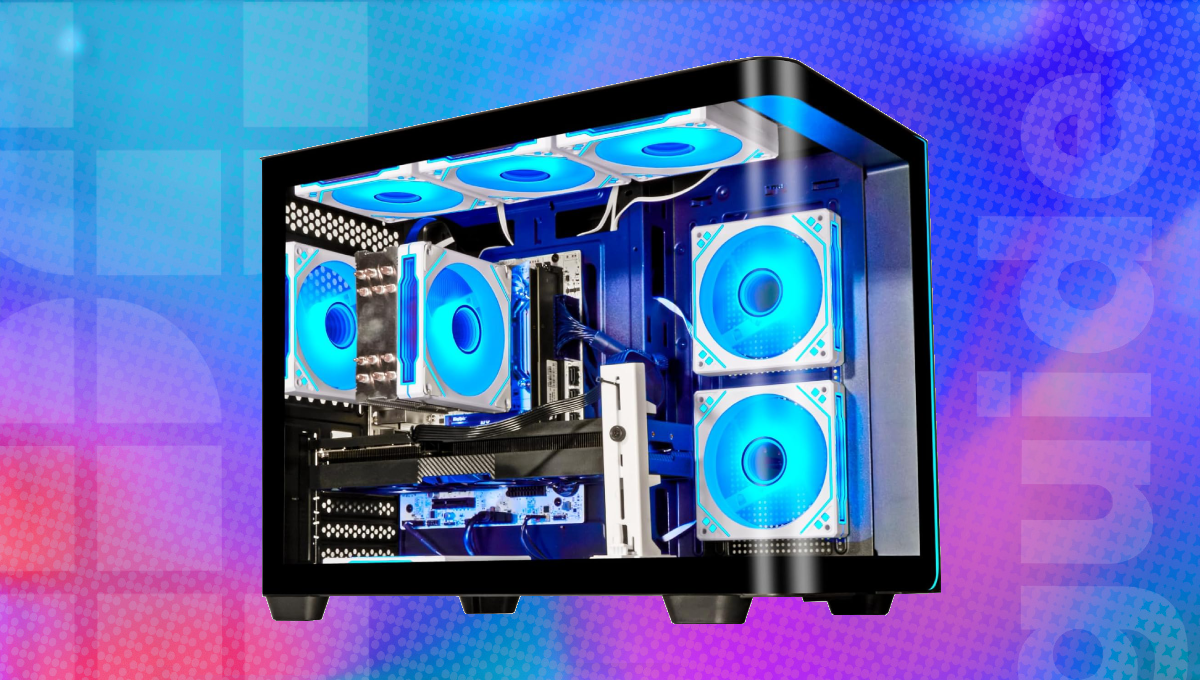
Budget RTX Gaming PC In 2024 Is It Worth It YouTube . The Best Gaming PCs In 2024 Tom S Guide . Ryzen 7 9700X RX 9060 XT Gaming PC Is Now Its Best Price Ever In This LXZ Gaming PC Desktop . Steam Deck OLED 1TB Review 2025 Is Valve S Handheld Gaming PC Worth Banner 66 585x585 . Best Budget Gaming PC 2024 Quality Screens Increased Memory Budget PC Extra Immediate

Novit 2026 Requisiti PC Per Steam Quali Sono Quelli Consigliati Best Mini PCs For Gaming.webp. The Best Gaming PCs In 2024 Tom S Guide 320 80 . The Gaming PC You Need To Build For 2026. Steam Deck OLED 1TB Review 2025 Is Valve S Handheld Gaming PC Worth Why The ROG-PGL Esports Partnership Actually Matters 585x585 . How To Upgrade Your Gaming PC 2026 Edition GadgetMates Bg Intro1

Top 10 Most Anticipated Games Of 2026 What To Watch Out For GAMES IN 2026 . Periphio Gaming PC Reviews 2026 5 0 5 Trusted Gaming PC Store Of Is Periphio Gaming PC Worth It . Steam Deck OLED 1TB Review 2025 Is Valve S Handheld Gaming PC Worth New Gigabyte GO27Q24G Review 585x585 . Steam Deck OLED 1TB Review 2025 Is Valve S Handheld Gaming PC Worth KTC H27T22C Monitor Review 1 585x585 . Steam Deck OLED 1TB Review 2025 Is Valve S Handheld Gaming PC Worth Mangmi Pocket Max Reviewed 1 585x585


Best Gaming PCs In 2024 These Are The Builds And Brands I Recommend 650 80 . Best Gaming PC For 1 000 In 2025 Build Guide Upgrade Path 1536x1024 . Prebuilts If You Can T Build A PC For Whatever Reason Is This Gaming Pc Worth It V0 . Is A Gaming PC Worth It In 2022 YouTube . Top 7 Most Expensive Gaming PCs You Can Buy In 2026 Copy Of LIF 2025 10