Dreaming of a solid gaming experience but your wallet is saying no way We get it Life gets busy with work family and countless responsibilities making it tough to justify a hefty investment in a new PC But what if you could dive into your favorite games unwind after a long day or connect with friends online without breaking the bank This comprehensive guide on how to build a 400 gaming PC is your go to resource We understand the US gamer today often balances a demanding schedule with a passion for digital worlds This article will walk you through smart component choices realistic performance expectations and practical tips to maximize your budget and playtime Discover how to achieve smooth gameplay in popular titles tackle common build challenges and even plan for future upgrades all while maintaining that crucial life gaming balance No hype just real solutions for real gamers looking to build an affordable and effective gaming rig that fits their lifestyle.
Can I really build a gaming PC for just 400 dollars
Yes you absolutely can build a functional gaming PC for around $400 but it requires strategic shopping for used parts like an older generation Ryzen APU or Intel i3 combined with integrated graphics or a very budget discrete GPU and smart choices on RAM and storage. It is perfect for esports and indie games.
What are the most important components to prioritize in a 400 build
For a 400 build prioritize a capable CPU with strong integrated graphics or a budget discrete GPU (often used) 16GB of DDR4 RAM and an NVMe SSD for fast loading times. Skimping on the CPU or RAM will severely impact performance more than a slightly slower SSD.
Will a 400 gaming PC run modern AAA games smoothly
A 400 gaming PC in 2026 will struggle with modern AAA games at high settings. You will likely need to play at 720p or 1080p with very low settings to achieve playable framerates (30-60 FPS) in newer titles. It excels more in esports and older or less demanding games.
Where can I find the best deals on parts for a budget build
For budget PC parts look into the used market on platforms like eBay Facebook Marketplace or local hardware forums for GPUs CPUs and RAM. Reputable refurbished retailers can also offer good deals on power supplies and motherboards. Always check seller ratings.
How much RAM do I need for a 400 gaming PC
For a 400 gaming PC 16GB of DDR4 RAM is strongly recommended. This will provide enough memory for most games and multitasking ensuring smoother performance without constantly swapping data to slower storage. Look for dual-channel kits at 3000-3200MHz.
What kind of storage should I use in a cheap gaming PC
An NVMe SSD of at least 500GB is ideal for a budget gaming PC. It offers significantly faster boot and load times compared to HDDs or SATA SSDs. If budget allows for more games consider a larger NVMe or adding a cheap 1TB SATA SSD later.
What are some common challenges when building a 400 gaming PC
Common challenges include finding compatible used parts troubleshooting driver issues managing cable clutter in a small case and realistic performance expectations. Patience research and careful planning are key to overcoming these hurdles successfully.
Hey there fellow gamers! Ever feel like you are caught in that endless loop where your passion for gaming clashes with the realities of life? You are not alone. With demanding jobs families and the daily grind many of us average around 36 years old and form the majority of gamers about 60 percent of the US population. We crave that escape that relaxation that pure fun that gaming provides but a top-tier rig often feels like an impossible dream. We want to stay current enjoy social play and maybe even build some skills without shelling out a small fortune or getting caught up in endless hype.
The good news is that building a powerful gaming PC doesnt have to drain your savings. We are here to show you how to build a 400 gaming PC a truly affordable machine that can deliver solid performance for many popular titles in 2026. This guide is crafted specifically for you the busy adult gamer who values smart spending and efficient playtime. Forget the setup headaches the performance woes or the constant struggle to find games that fit your schedule and budget. We will tackle it all from finding the best budget components to optimizing your settings and even planning for future upgrades. This is your practical guide to getting back to what you love gaming on your terms.
What Can a $400 Gaming PC Actually Achieve in 2026?
Let's get real about expectations for your 400 gaming PC. This budget wont get you 4K ultra settings on every new AAA release that is a given. However it absolutely can provide a fantastic 1080p gaming experience for a huge range of titles especially if you are smart about your game choices and settings. US gamers currently spend an average of 10+ hours a week gaming with a strong lean towards mobile and social titles. Your 400 rig fits right into this trend offering a superior experience for many popular games.
Here is what your budget build can realistically handle:
- Smooth 1080p gaming in popular esports titles like Valorant League of Legends CS2 and Overwatch 2. These games are optimized for a wide range of hardware.
- Playable framerates (30-60 FPS) in many Free-to-Play (F2P) games such as Fortnite Apex Legends Genshin Impact and Warframe often at medium or even some high settings.
- Enjoying a vast library of beloved indie games like Hades Stardew Valley or Disco Elysium which typically have lower system requirements.
- Running older AAA titles from a few years back like Grand Theft Auto V The Witcher 3 or Skyrim at enjoyable settings.
- Serving as an excellent platform for social gaming with friends on Discord and in games making it easy to jump into co-op or casual multiplayer sessions.
Remember a 400 build is about smart compromises and maximizing value not about competing with high-end machines. It is about getting you into the game and having fun.
What Are the Absolute Essential Components for a $400 Build?
Building a PC on a strict budget means every dollar counts. You need to prioritize the core components that deliver the most gaming performance for your investment. Think of it like this your CPU and GPU are the engines your RAM is the fuel line and your storage is the pit crew. You want to make sure these are working together efficiently.
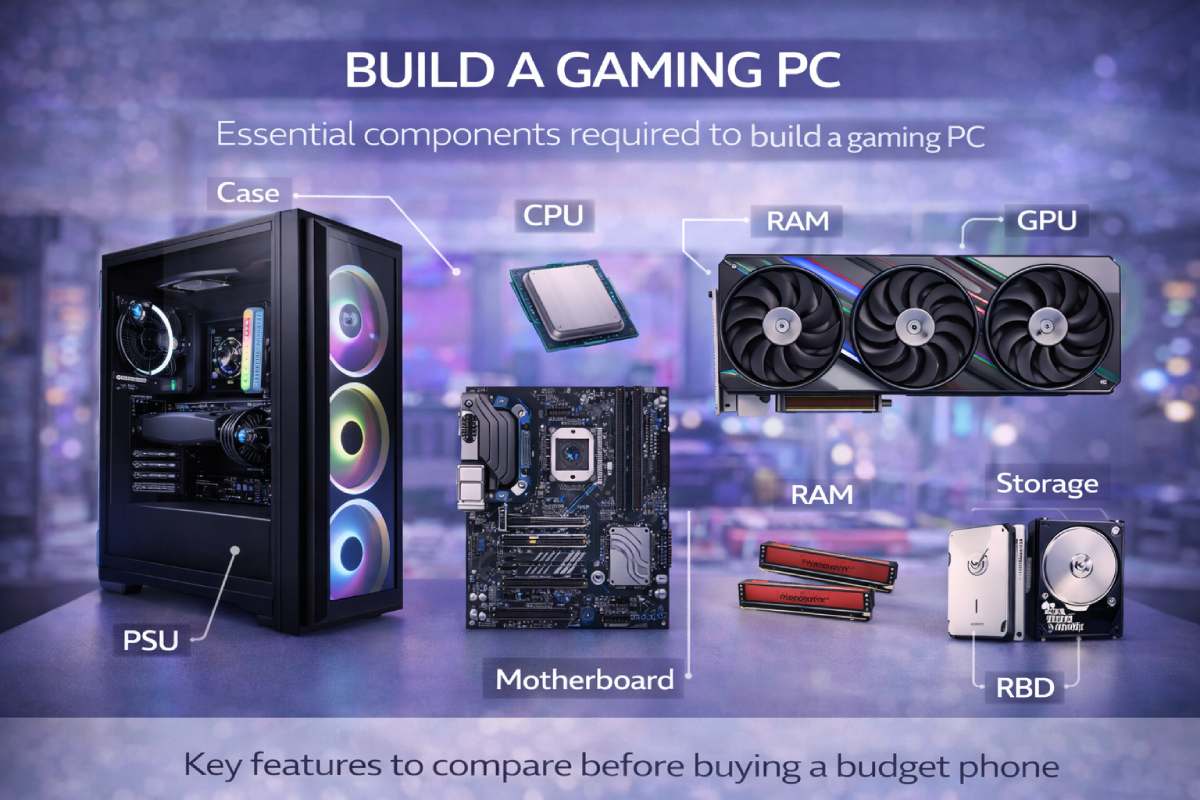
Here is a breakdown of the essentials and why they matter:
- CPU (Central Processing Unit) with Integrated Graphics (APU) or a budget CPU plus Discrete GPU: This is your processing power. For a $400 budget an AMD APU (like a Ryzen 5 3400G or Ryzen 5 5600G if you can find a deal on the used market) is often the best choice as it combines the CPU and a capable GPU into one chip saving you from buying a separate graphics card. If you go with a separate CPU look for older Intel i3 or i5 models coupled with a used entry-level GPU.
- Motherboard: This connects everything. A budget-friendly B450 or A520 motherboard for AMD or an H410/B460 for Intel will usually suffice. Ensure it supports your chosen CPU and RAM type.
- RAM (Random Access Memory): Aim for 16GB of DDR4 RAM. This is crucial for smooth multitasking and running modern games without stutter. Look for a dual-channel kit (2x8GB) with a speed of at least 3000MHz.
- Storage (SSD - Solid State Drive): An NVMe SSD of at least 500GB is a must. This ensures lightning-fast boot times and quicker game loading. Avoid HDDs as your primary drive for gaming in 2026 they are simply too slow.
- Power Supply Unit (PSU): A reliable 450W-550W 80+ Bronze rated PSU will provide stable power for your components. Dont cheap out here a bad PSU can damage your entire system.
- Case: Any budget case that fits your motherboard and components with decent airflow will work. Look for something that is easy to build in.
How Do I Pick the Best CPU and GPU for This Budget?
This is where the magic happens and where most of your budget will go. For a $400 build, especially in 2026, you will be heavily relying on the used market or older generation parts to get the most bang for your buck.
Option 1: The APU Route (Recommended for maximum value)
An AMD APU is a CPU with powerful integrated graphics. For our budget, models like the Ryzen 5 3400G or 5600G are fantastic finds. They can handle esports and many less demanding games at 1080p without a discrete GPU. This saves you the cost of a separate graphics card which is often the most expensive component. Search for these used from reputable sellers.
Option 2: Budget CPU with a Used Discrete GPU
If you prefer a discrete GPU you will need to find a very budget-friendly CPU (e.g., an older Intel i3 10th or 11th gen or a Ryzen 3 3100/3300X) and then hunt for a used GPU. Graphics cards like the AMD RX 570 580 or NVIDIA GTX 1060 6GB or GTX 1650 Super can often be found for under $100-$150 on the used market. These will offer better performance than APUs for more demanding games but require careful research into seller reputation and card condition.
When searching always prioritize reputable sellers and ask for benchmarks or stress test results if possible. Sites like eBay and Facebook Marketplace are your best friends here but always exercise caution.
Where Can I Find Affordable Parts for My $400 Gaming PC?
Scoring great deals is key to building a 400 gaming PC. Forget buying everything brand new. The used market and vigilant deal hunting are essential. Here is where savvy US gamers find their components:
- eBay: The go-to for used GPUs CPUs and RAM. Use filters for sold listings to gauge fair prices. Always check seller ratings and read descriptions carefully.
- Facebook Marketplace & Local Classifieds: Great for local pickups which saves on shipping and allows for in-person inspection. Be wary of scams and always meet in safe public places.
- r/hardwareswap (Reddit): A dedicated community for buying selling and trading PC hardware. Offers some buyer protection and knowledgeable sellers.
- Amazon/Newegg Sales: Keep an eye out for flash sales bundle deals or open-box items for new motherboards PSUs or SSDs. Prices fluctuate constantly so set alerts.
- Micro Center (if available): If you are lucky enough to live near one Micro Center often has fantastic CPU/motherboard bundle deals and competitive pricing on other components.
- Refurbished Retailers: Check sites like Woot or certified refurbished sections of major retailers for PSUs and SSDs.
Patience is a virtue when budget building. Do not jump on the first deal you see. Compare prices and wait for the right opportunity. A little extra research can save you significant money.
What Are the Steps to Actually Assemble a $400 Gaming PC?
Building a PC might seem intimidating but it is essentially adult LEGOs. Take your time follow instructions and do not force anything. Here is a simplified step-by-step guide:
- Gather Your Tools: You will need a Phillips head screwdriver zip ties or Velcro straps for cable management and an anti-static wrist strap is highly recommended to protect components.
- Install CPU & Cooler on Motherboard: Open the CPU retention arm on the motherboard align the CPU (triangle matches triangle) and gently drop it in. Close the arm. For the cooler apply thermal paste (if not pre-applied) and mount the cooler according to its instructions.
- Install RAM: Open the clips on the RAM slots. Align the RAM stick notch with the motherboard slot notch and push down firmly until the clips snap into place.
- Install Motherboard into Case: Secure the I/O shield (if separate) into the case opening. Carefully place the motherboard inside the case lining up the screw holes. Secure with screws.
- Install Storage: Mount your NVMe SSD directly onto the motherboard (usually under a heatsink or near the CPU). Secure it with the tiny screw provided with your motherboard.
- Install Power Supply: Mount the PSU in its designated spot in the case (usually bottom rear) and secure it with screws.
- Wire Up Components: Connect the 24-pin ATX power to the motherboard the 8-pin CPU power to the motherboard and SATA power to any drives (if applicable). Connect case front panel connectors (power switch USB audio etc.) carefully consult your motherboard manual for their specific locations.
- Install Discrete GPU (if applicable): Slot your GPU into the top PCIe x16 slot on the motherboard. Secure it with a screw or latch. Connect PCIe power cables from the PSU to the GPU if required.
- Initial Boot Test: Before closing the case connect your monitor keyboard and mouse. Power on the PC. If it boots to BIOS you are on the right track!
- Install Operating System: Create a Windows installation USB drive on another computer. Boot from the USB and follow the prompts to install Windows.
- Install Drivers: Once Windows is installed download and install the latest drivers for your motherboard chipset GPU and any other peripherals.
- Cable Management: Route cables neatly behind the motherboard tray for better airflow and aesthetics.
Remember plenty of video tutorials exist online for each step. Watching a few before you start can be incredibly helpful.
How Do I Optimize Windows and Game Settings for a Budget Build?
Even with carefully chosen hardware software optimization is crucial for squeezing every last frame out of your 400 gaming PC. US gamers are always looking for an edge and these tips will help you find it.
Windows Optimization:
- Update Drivers: Always keep your GPU CPU and chipset drivers updated. This is often the biggest performance boost.
- Disable Background Apps: Go to Windows Settings Privacy Background apps and turn off anything you dont need running.
- Adjust Power Plan: Set your power plan to 'High Performance' in Windows Power Options.
- Disable Visual Effects: In System Properties Advanced System Settings Performance click Settings and choose 'Adjust for best performance' or customize to disable unnecessary animations.
- Game Mode: Ensure Windows Game Mode is enabled (Settings Gaming Game Mode).
- Close Unnecessary Programs: Before launching a game close browsers Discord voice chats or any other applications running in the background.
In-Game Settings Optimization:
- Resolution: Start at 1920x1080 (1080p). If framerates are too low try 1600x900 or even 1280x720.
- Graphics Presets: Begin with 'Low' or 'Medium' presets and gradually increase settings one by one to see their impact.
- Anti-Aliasing: Usually one of the most demanding settings. Turn it off or set it to FXAA/SMAA instead of MSAA.
- Shadows: High-quality shadows are very demanding. Set them to low or medium.
- Texture Quality: This depends on your VRAM. With 4-8GB VRAM you might manage medium. If less keep it low.
- View Distance/Draw Distance: Lowering this can significantly improve FPS in open-world games.
- Post-Processing Effects: Things like bloom motion blur depth of field can be taxing. Turn them off or down.
Small tweaks can lead to noticeable performance gains. Experiment with settings to find your ideal balance of visuals and framerate.
Which Games Run Well on a $400 Gaming PC?
Your 400 gaming PC is a gateway to countless hours of fun relaxation and social connection without the stress of constant upgrades. Many US gamers enjoy mobile and free-to-play options and your budget PC will excel at these and more.
Here is a list of game genres and specific titles that will likely run very well:
- Esports Titles: These are designed to be accessible on a wide range of hardware.
- Valorant
- League of Legends
- CS2 (Counter-Strike 2)
- Overwatch 2
- Rocket League
- Dota 2
- Popular Free-to-Play Games:
- Fortnite
- Apex Legends (with optimized settings)
- Genshin Impact
- Warframe
- Path of Exile
- Indie Darlings: Many highly acclaimed indie games have lower system requirements.
- Hades
- Stardew Valley
- Terraria
- Minecraft
- Celeste
- Hollow Knight
- Disco Elysium
- Older AAA Titles: Games from a few generations ago still offer incredible experiences.
- Grand Theft Auto V
- The Witcher 3: Wild Hunt (low-medium settings)
- Fallout 4
- Skyrim Special Edition
- DOOM (2016)
- Borderlands 2/3 (3 on lower settings)
- Cozy & Social Games: Perfect for unwinding after a busy day or connecting with friends.
- Palworld (with optimized settings)
- Among Us
- Phasmophobia
- PlateUp!
The beauty of a budget PC is discovering the vast library of games you might have overlooked. There is a rich world of entertainment waiting for you!
How Can I Upgrade My $400 Gaming PC in the Future?
One of the best things about building a PC is its modularity. Your 400 gaming PC is a fantastic starting point and can be upgraded over time as your budget allows and as games become more demanding. Think of it as evolving your gaming experience.
Here is a smart upgrade path:
- Discrete Graphics Card (GPU): This is usually the most impactful upgrade. If you started with an APU adding a dedicated GPU will dramatically boost your gaming performance. If you already have a budget GPU look for a used mid-range card like an RTX 2060 Super RX 5700 XT or even an RTX 3060 when prices drop further.
- CPU Upgrade: If your motherboard supports it upgrading your CPU (e.g., from a Ryzen 3 to a Ryzen 5 or 7 within the same generation or an Intel i3 to i5/i7) can provide a significant boost especially for CPU-intensive games or if you are multitasking heavily.
- More/Faster RAM: While 16GB is good 32GB can be beneficial for very demanding games or content creation. If your current RAM is slow (e.g., 2400MHz) upgrading to faster RAM (3200MHz or 3600MHz) can improve CPU and APU performance.
- Additional Storage: As your game library grows you will want more space. A larger NVMe SSD or a secondary SATA SSD (1TB or 2TB) for your game installs is a common upgrade.
- Better Power Supply: If you upgrade to a much more powerful GPU you might need a higher wattage PSU (650W or 750W) to ensure stable power delivery.
Always check your motherboard's compatibility list and your PSU's wattage before purchasing upgrades. Plan your upgrades strategically to get the best return on your investment.
What Common Mistakes Should I Avoid When Building a Cheap PC?
Building a PC on a budget comes with its own set of potential pitfalls. Avoiding these common mistakes will save you time frustration and money.
- Ignoring Compatibility: Always check if your CPU is compatible with your motherboard socket and BIOS version. Also ensure your RAM type (DDR4) is correct and your PSU has enough wattage and the right connectors for your GPU. Tools like PCPartPicker.com can help.
- Overspending on Non-Performance Parts: While RGB lighting and fancy cases look cool they do not improve performance. Invest your budget primarily in the CPU GPU RAM and SSD. You can always upgrade aesthetics later.
- Buying a Cheap PSU: A low-quality power supply is a recipe for disaster. It can be unstable inefficient and potentially fry your components. Always go for a reputable brand with an 80+ Bronze rating minimum.
- Poor Cable Management: While not strictly performance-related messy cables can obstruct airflow making your components run hotter and potentially shortening their lifespan. Take the time to route cables neatly.
- Not Updating Drivers: Running outdated drivers especially for your GPU can severely impact performance stability and introduce bugs. Always install the latest drivers after your Windows installation.
- Unrealistic Expectations: As mentioned before a 400 PC will not play every game at max settings. Understand its limitations and optimize accordingly. Embracing the budget reality leads to less disappointment.
- Forgetting About an Operating System: A Windows license can cost a significant portion of your budget. Factor this in. You can run Windows unactivated with some limitations or explore Linux-based gaming options.
A little foresight and careful planning go a long way in ensuring a smooth and successful budget build.
Is a $400 Gaming PC Worth It for Busy Gamers?
Absolutely yes! For the average US gamer juggling work family and other life commitments a 400 gaming PC offers incredible value and is arguably one of the smartest investments you can make for your relaxation and social life. Why spend thousands when your primary goal is to unwind connect with friends or simply enjoy some quality game time?
Consider these points:
- Value for Money: It provides a strong entry point into PC gaming without the prohibitive cost. You get performance that significantly outshines console experiences for many F2P and indie titles, and a vast library of games that often go on deep sale.
- Time Efficiency: With careful planning and the tips in this guide you can minimize setup issues and performance headaches allowing you to spend more time playing and less time troubleshooting.
- Stress Relief & Fun: Gaming is a proven stress reliever. Having an accessible PC allows you to jump into a quick game of Valorant with friends or explore a cozy Stardew Valley farm after a long day.
- Skill Building & Social Play: PC gaming opens doors to competitive esports titles where you can hone your skills and a vibrant social scene on platforms like Discord fostering friendships and community.
- Flexibility & Upgradeability: Unlike consoles a PC can be gradually upgraded piece by piece tailoring it to your evolving needs and budget.
In a world of constant upgrades and hype a 400 gaming PC is a refreshing reminder that you do not need to break the bank to be a dedicated and happy gamer. It is about smart choices and making gaming work for your life.
Conclusion
So there you have it building a 400 gaming PC in 2026 is not just a pipe dream it is a totally achievable reality for the savvy US gamer. We have walked through everything from choosing the right budget components and where to find them to the actual assembly process and crucial software optimizations. Remember that smart spending realistic expectations and a bit of patience are your best allies in creating an affordable rig that perfectly balances performance with your busy lifestyle.
This budget-friendly approach allows you to dive into the vast world of PC gaming enjoy popular esports titles explore incredible indie gems and connect with friends all without financial strain. It is about empowering you to game on your terms finding that sweet spot between relaxation skill-building and value for money.
Now it is your turn! What is your biggest gaming challenge when balancing it with life? Comment below and share your thoughts. Happy building and even happier gaming!
FAQ Section
Can a 400 PC run games like Fortnite or Apex Legends?
Yes a $400 PC can run games like Fortnite and Apex Legends. You will need to play at 1080p or 720p with optimized low to medium graphics settings to achieve smooth and playable framerates (30-60 FPS) depending on your specific budget hardware choices.
Is buying used parts safe for a budget gaming PC?
Buying used parts is generally safe and often essential for a $400 budget but requires caution. Always buy from reputable sellers check reviews and ask for proof of functionality. Prioritize used GPUs and CPUs from trusted sources like eBay with buyer protection or local meetups.
How long will a 400 gaming PC last before needing upgrades?
A $400 gaming PC can last 2-4 years for esports and less demanding titles before significant upgrades are needed. Its lifespan depends on game optimization and your performance expectations. Gradual component upgrades like a GPU or CPU can extend its relevance considerably.
Do I need special tools to build a PC?
You do not need many special tools. A Phillips head screwdriver is the main tool required. An anti-static wrist strap is highly recommended to protect components. Zip ties or Velcro straps help with cable management. All are inexpensive and easy to acquire.
Can I stream games on a $400 gaming PC?
Streaming modern demanding games on a $400 gaming PC would be challenging and likely result in significant performance drops for both the game and stream quality. However streaming lighter indie games or older titles is more feasible with optimized settings and using CPU-efficient streaming software.
What is the minimum RAM for a budget gaming PC in 2026?
The absolute minimum RAM for a budget gaming PC in 2026 is 8GB but 16GB of DDR4 RAM (preferably in a 2x8GB dual-channel configuration at 3000-3200MHz) is strongly recommended for a much smoother gaming experience and better multitasking capabilities.
Budget component selection for 400 gaming PC realistic performance expectations step-by-step assembly guide optimizing game settings for low budget hardware future upgrade paths balancing gaming with busy life social gaming on a budget free to play game recommendations common build challenges troubleshooting tips smart spending on PC parts.
35


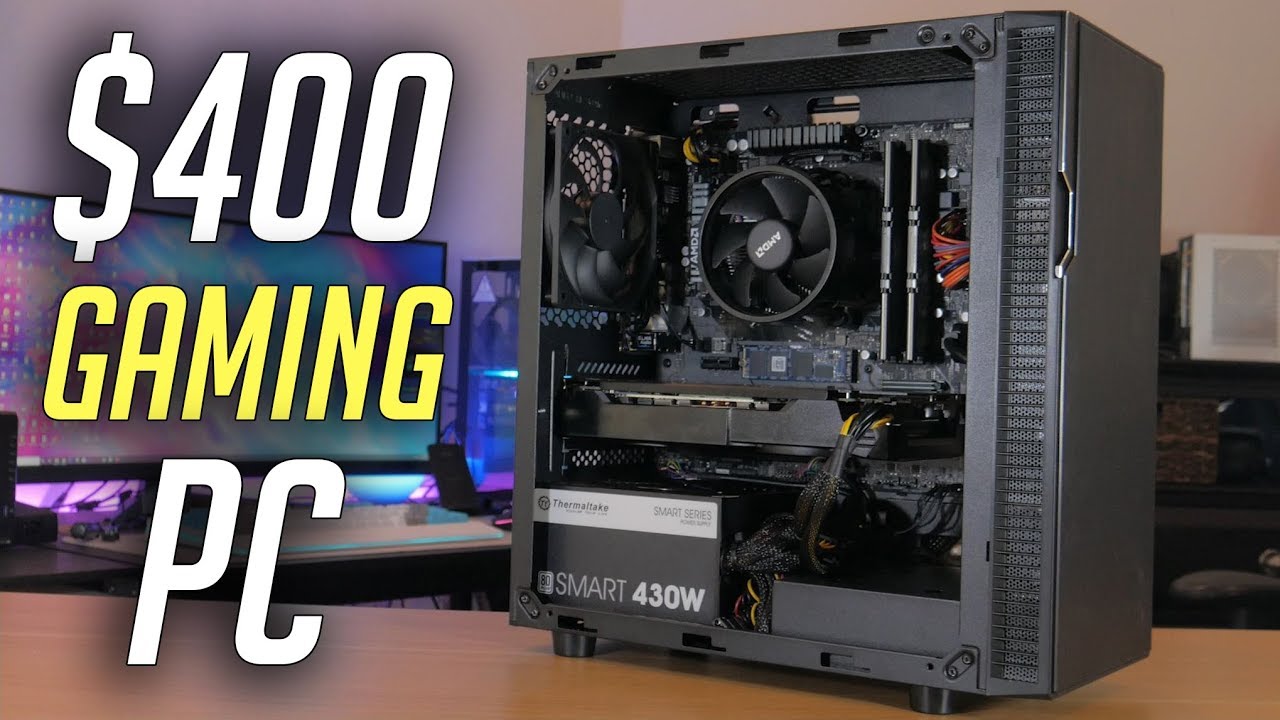
BEST 400 Gaming PC You Can Build In 2026 YouTube . Best Gaming PC Builds For 2026 Best Gaming PC Builds For 2026.webp. 400 Gaming PC Build Guide YouTube . A Very Repeatable 400 Gaming PC Build Guide YouTube . How To Build A Gaming PC Complete Step By Step Guide 2026 Build Gaming Pc Components Layout



400 Gaming PC Build Guide YouTube . Best Repeatable 400 Gaming PC Build Guide YouTube . How To Build A MAX Performance 400 Gaming PC Build For 2025 YouTube . 400 Gaming PC Build Guide YouTube . 400 Budget Gaming PC Build Guide YouTube


Best 400 Budget Gaming Pc Build At Dominic Nanya Blog . A 400 Gaming PC You Can Build Right Now In 2025 YouTube Hqdefault . Two Ways To Build A 400 Gaming PC YouTube . Building A 400 Gaming PC Is EASY Right Now YouTube . Gaming Pc Build Guide Under 500 At Odessa Anderson Blog
How To Build Gaming PC Guide 2026 Step By Step Budget Gaming PC 2026 Gaming Pc . Best Gaming PC Under 400 Update 05 2026 Best Gaming Pc Under 400 Img . Building An Enthusiast Grade PC Build For 2026 GeekaWhat FI DM87 HAVN BF RTX 5090 Build . How To Build A 400 Gaming And Streaming PC YouTube . 400 Gaming PC Build Guide 2019 YouTube
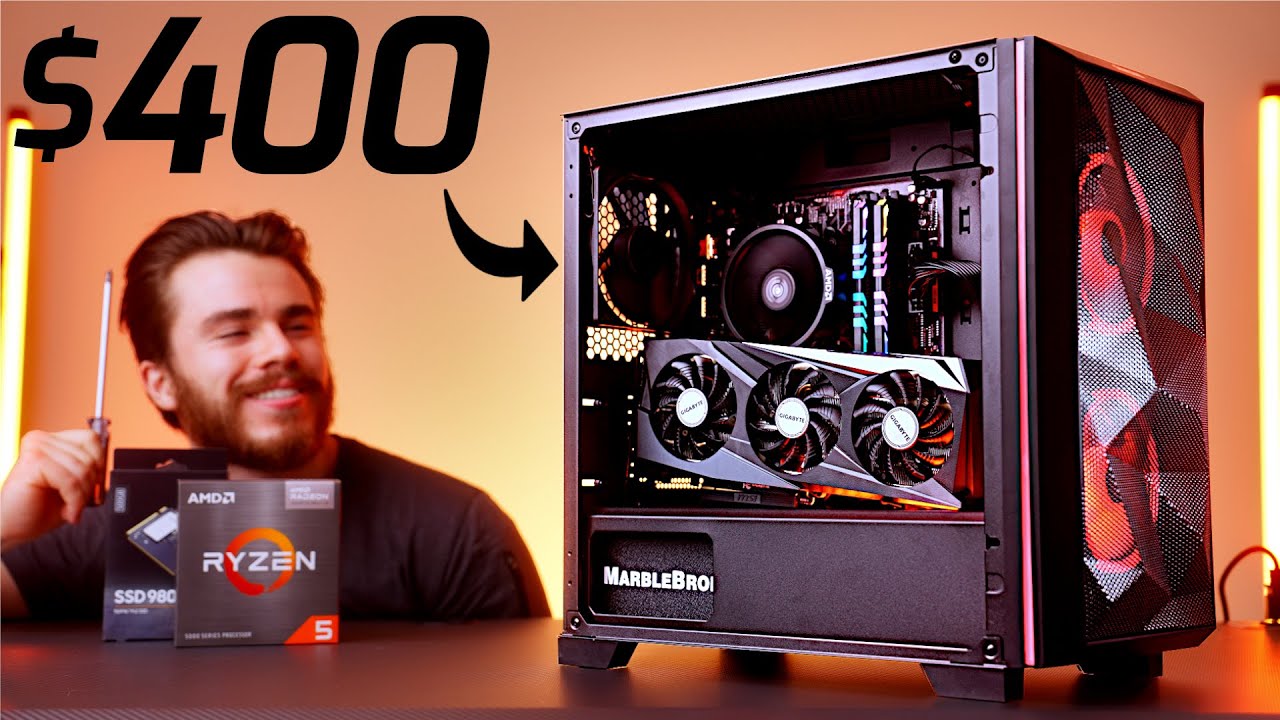


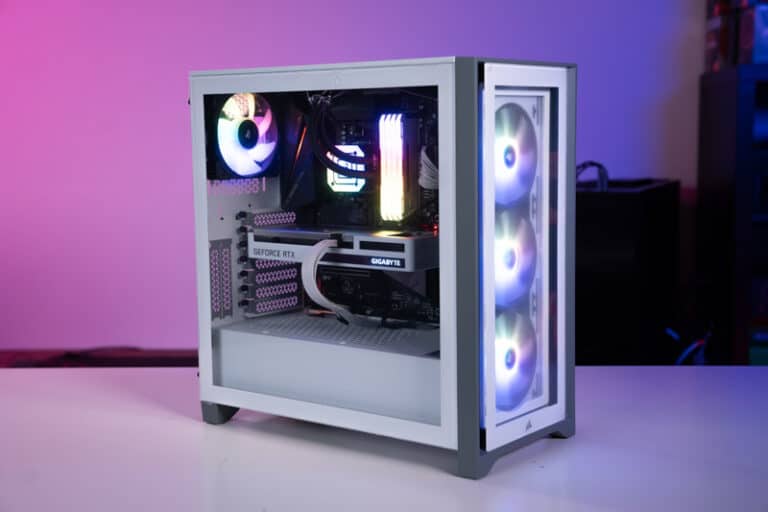
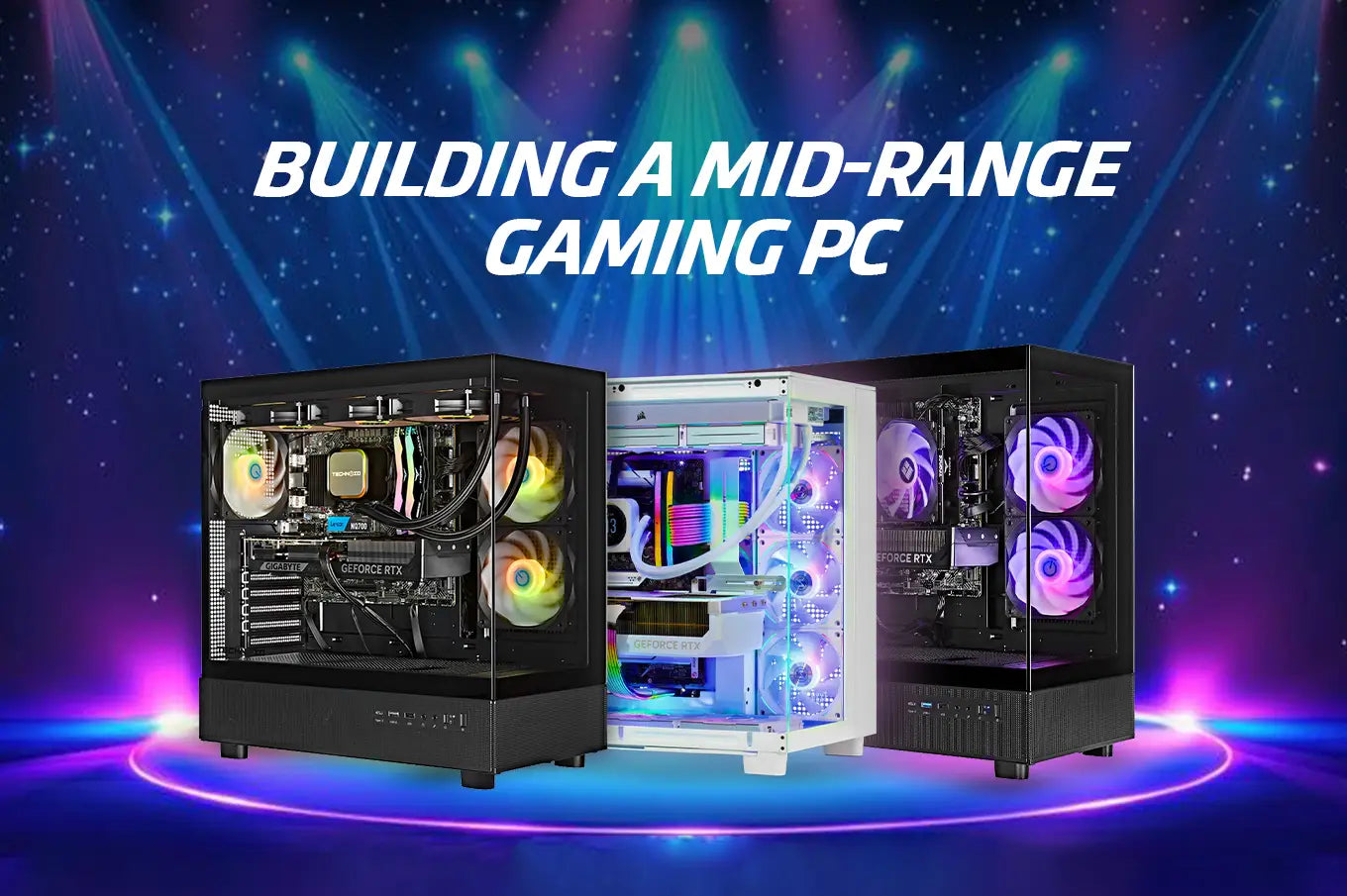
How To Build A 400 Gaming PC In 2023 Step By Step Guide YouTube . How To Build A 400 Gaming PC Full Stream YouTube . How To Build A 400 Gaming PC Step By Step Tutorial 2018 YouTube . Best Gaming PC Under 400 For 2026 Updated For February 2 768x512 . Best Processors For Gaming In 2026 For Every Budget Technoid Gaming PC Building A Mid Range Gaming PC In 2026 Specs And Tips.webp
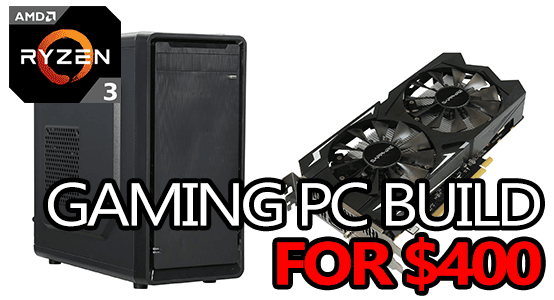


The Best Budget Gaming PC Build For 400 In 2026 PC Game Haven Best Budget Gaming Pc Build 400 Dollars 1 . The Best Budget Gaming PC Build For 400 In 2026 PC Game Haven Gaming PC Build For 600 350x190 . How To Build A Gaming PC In 2026 Complete Beginner Guide How To Build Gaming Pc 2026 . Gaming Desktop PC Guide 2026 Build The Ultimate Gaming Setup 2 2 3 . Best PC Builds For Gaming 2026 Ultimate Guide To Building Your Dream Best PC Builds For Gaming 2026 150x100





400 Gaming PC Build Guide For 2024 Ryzen 5 4500 GTX 1070 YouTube . Ultimate Guide To Building A 400 Gaming PC TikTok Img. HOW TO SPEED BUILD A 400 BUDGET GAMING PC 2020 STEP BY STEP BUILD . How To Build A Gaming PC Under 400 Step By Step Beginners Guide 2020 . How To Build Your Dream Gaming Setup In 2026 How To Build Your Dream Gaming Setup.webp