Navigating the competitive landscape of graphics card companies can feel overwhelming, especially for busy gamers balancing careers, family, and life. This guide cuts through the hype, offering practical insights into NVIDIA, AMD, and Intel's offerings for 2026. We'll help you understand which brands deliver the best performance, value, and features tailored to your gaming style and budget. Whether you're upgrading on a budget, seeking peak competitive performance, or simply want smooth gameplay for those precious relaxation hours, knowing the strengths of each major graphics card company is crucial. Discover how to make informed decisions that enhance your gaming experience without wasting time or money, ensuring your setup is optimized for the latest titles and social gaming trends.
What are the main graphics card companies dominating the market in 2026?
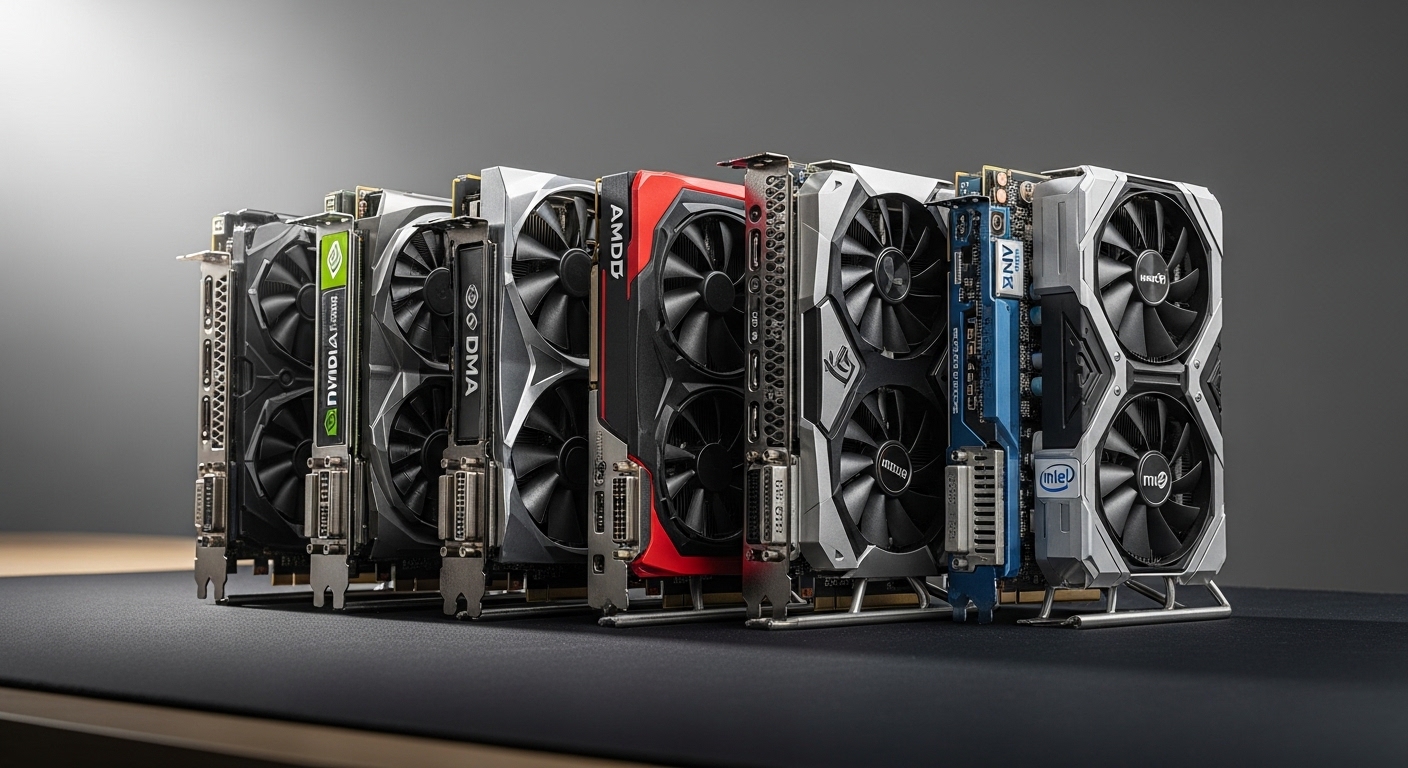
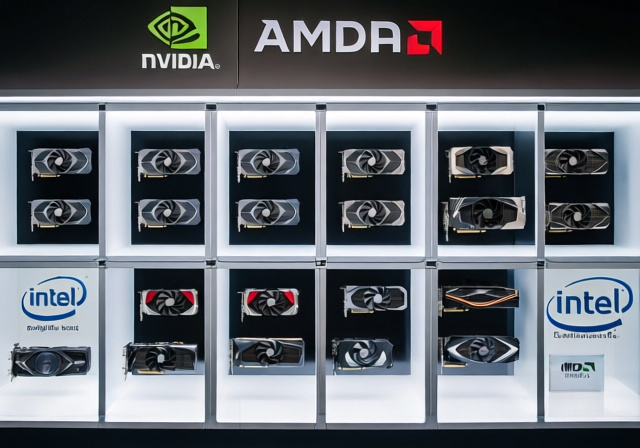
In 2026, the graphics card market is primarily dominated by three major players: NVIDIA, AMD, and Intel. NVIDIA and AMD have been the traditional heavyweights, consistently pushing the boundaries of performance and innovation in high-end gaming and professional applications. Intel, a long-time CPU giant, made a significant re-entry into the discrete GPU space with its Arc series, aiming to capture the mid-range and budget segments. Each company brings unique strengths and technologies to the table, influencing everything from raw gaming performance to specialized features like ray tracing and AI-driven upscaling. Understanding their core philosophies is key to making an informed choice for your setup.
How do NVIDIA, AMD, and Intel graphics cards compare for today's busy gamers?
For gamers balancing life and play, the choice among NVIDIA, AMD, and Intel often boils down to a mix of raw performance, price point, and ecosystem benefits. NVIDIA traditionally leads in top-tier performance and proprietary technologies like DLSS and advanced ray tracing, offering premium experiences. AMD provides strong price-to-performance ratios, especially in the mid-range, with FSR offering a compelling open-source upscaling solution. Intel, with its Arc GPUs, offers competitive performance in the budget and mainstream tiers, often bundling useful features like XeSS upscaling and solid media encoding capabilities, making it a viable option for those looking for great value without breaking the bank. Your ideal choice depends on your specific gaming habits and priorities.
Which graphics card company offers the best value for money for performance-conscious gamers?
When it comes to value for money, AMD often shines, particularly in the mid-to-high range. Their Radeon series frequently offers compelling performance close to NVIDIA's counterparts but at a slightly lower price point. Intel's Arc GPUs are making significant strides in the entry-to-mid-tier, often providing excellent performance per dollar, especially when paired with an Intel CPU due to technologies like Deep Link. NVIDIA, while sometimes perceived as premium, still offers strong value within its own tiers, particularly with older generation cards or specific models that hit a sweet spot for performance. Savvy gamers should always compare current benchmarks and pricing for the specific games they play to find the true value leader.
How can I pick the right graphics card from these companies for my specific games and budget?
Choosing the right graphics card involves aligning your gaming preferences with your budget and the offerings of graphics card companies. First, identify your primary resolution (1080p, 1440p, 4K) and target frame rates. Research benchmarks for the specific games you play most frequently with cards from NVIDIA, AMD, and Intel. Look for reviews that focus on real-world gaming performance, not just synthetic benchmarks. Consider your budget: entry-level cards are great for casual 1080p, mid-range for 1440p or high-refresh 1080p, and high-end for 4K or competitive esports. Don't forget to check system compatibility, including your power supply and case size, to ensure a smooth upgrade experience.
What about software and ecosystem differences between graphics card companies?
The software and ecosystem surrounding your graphics card are just as important as the hardware itself. NVIDIA offers GeForce Experience for driver updates, game optimization, and streaming tools, alongside advanced features like DLSS for AI-powered upscaling. AMD provides Adrenalin Software, a comprehensive suite for performance tuning, monitoring, and features like FSR for upscaling and Anti-Lag. Intel's Arc Control software is continually improving, offering similar tuning and monitoring capabilities, plus unique Deep Link features when paired with Intel CPUs. Each ecosystem aims to enhance your gaming and productivity, so consider which set of tools and proprietary technologies (like ray tracing optimization or specific upscaling tech) best aligns with your needs and existing hardware.
Are there any graphics card companies known for excellent customer support or warranties?
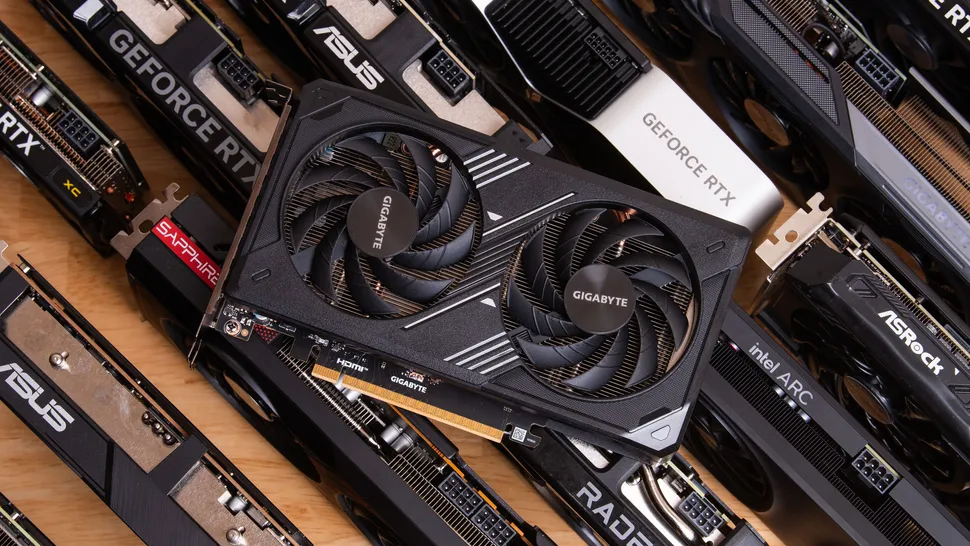
Customer support and warranty policies can vary significantly not just between the main GPU manufacturers (NVIDIA, AMD, Intel) but also among their board partners (e.g., ASUS, MSI, Gigabyte, EVGA). Generally, NVIDIA's and AMD's core technologies are licensed to these partners who build the actual cards, and their support largely falls on the board partner. Many gamers praise brands like EVGA (though their GPU manufacturing is changing) or ASUS for historically strong customer service and warranty processes. It's crucial to research the specific board partner's reputation for support and their warranty length and terms before purchasing. Checking recent user reviews on forums and retailer sites can provide valuable, up-to-date insights into their post-purchase experience.
How do current gaming trends influence which graphics card company I should choose?
Current gaming trends heavily influence which graphics card company's offerings will best suit you in 2026. The rise of social and cozy games often means less demand for ultra-high-end GPUs, making value-oriented cards from AMD or Intel excellent choices. However, for competitive esports, high refresh rates are key, where NVIDIA and AMD typically offer the best performance. The increasing popularity of ray tracing in major titles leans towards NVIDIA for superior hardware acceleration, while AMD and Intel are rapidly catching up. The prevalence of FSR, DLSS, and XeSS upscaling technologies across all companies means you can achieve higher frame rates even with mid-range cards, making performance more accessible than ever for gamers balancing life and leisure time.
Ever feel like you need a degree in computer science just to buy a new graphics card? You're not alone. For many of us, gaming isn't just a hobby; it's a vital escape, a way to relax, connect with friends, or even build new skills after a long day of work and family commitments. But navigating the rapidly evolving world of graphics card companies can be a real headache. You want performance, value, and reliability without the endless research or the fear of picking the wrong tech. With roughly 87% of US gamers playing regularly, often dedicating 10+ hours a week, and a significant trend towards social gaming and mobile cross-play, your hardware choices matter more than ever. The average gamer, around 36 years old, prioritizes getting the most bang for their buck, ensuring smooth gameplay, and staying current without falling for every marketing gimmick. This guide is your trusted friend, cutting through the noise to help you understand the major graphics card companies in 2026 – NVIDIA, AMD, and Intel – so you can confidently choose the perfect GPU that fits your life, your games, and your budget. No hype, just practical, actionable advice to optimize your gaming experience.
What are the main graphics card companies dominating the market in 2026?
In 2026, the graphics card market is primarily dominated by three major players: NVIDIA, AMD, and Intel. NVIDIA and AMD have been the traditional heavyweights, consistently pushing the boundaries of performance and innovation in high-end gaming and professional applications. Intel, a long-time CPU giant, made a significant re-entry into the discrete GPU space with its Arc series, aiming to capture the mid-range and budget segments. Each company brings unique strengths and technologies to the table, influencing everything from raw gaming performance to specialized features like ray tracing and AI-driven upscaling. Understanding their core philosophies is key to making an informed choice for your setup.
NVIDIA, often seen as the premium brand, holds a substantial market share in the enthusiast segment. Their GeForce RTX series is renowned for leading-edge ray tracing capabilities and the powerful DLSS (Deep Learning Super Sampling) technology, which uses AI to boost frame rates without significant quality loss. This makes them a go-to for gamers chasing the highest visual fidelity and performance in graphically demanding titles, even when balancing limited gaming time.
AMD, with its Radeon RX series, has positioned itself as a strong competitor, especially for gamers looking for excellent price-to-performance. AMD’s FSR (FidelityFX Super Resolution) is an open-source upscaling solution that works on a broader range of hardware, offering a great alternative for many gamers. Their focus often leans towards raw rasterization performance and competitive pricing, making them a favorite for budget-conscious builders who still demand high frame rates without unnecessary premium costs.
Intel, after years away, has made an impressive comeback with its Arc GPUs. While not yet competing at the absolute top tier, Intel Arc cards offer compelling performance in the mainstream and budget segments. They come packed with features like XeSS (Xe Super Sampling) for performance boosts and strong media encoding capabilities, making them attractive for creators and streamers on a tighter budget, particularly when integrated into an Intel-based system. Their aggressive driver updates and feature additions show a clear commitment to growing their presence in the gaming GPU market.
How do NVIDIA, AMD, and Intel graphics cards compare for today's busy gamers?
For gamers balancing life and play, the choice among NVIDIA, AMD, and Intel often boils down to a mix of raw performance, price point, and ecosystem benefits. NVIDIA traditionally leads in top-tier performance and proprietary technologies like DLSS and advanced ray tracing, offering premium experiences that minimize visual compromises, allowing you to maximize quality during those precious few gaming hours. AMD provides strong price-to-performance ratios, especially in the mid-range, with FSR offering a compelling open-source upscaling solution that boosts frame rates across many titles, which is great for maintaining performance on a budget upgrade.
Intel, with its Arc GPUs, offers competitive performance in the budget and mainstream tiers, often bundling useful features like XeSS upscaling and solid media encoding capabilities, making it a viable option for those looking for great value without breaking the bank. For Gen Z and Millennial gamers who enjoy mobile and PC/console cross-play, Intel's strong media capabilities can be a huge plus for sharing clips or streaming. Your ideal choice depends on your specific gaming habits and priorities, whether it's maxing out Warzone or enjoying a cozy indie game.
Which graphics card company offers the best value for money for performance-conscious gamers?
When it comes to value for money, AMD often shines, particularly in the mid-to-high range. Their Radeon series frequently offers compelling performance close to NVIDIA's counterparts but at a slightly lower price point, which is critical for gamers upgrading on a budget. Intel's Arc GPUs are making significant strides in the entry-to-mid-tier, often providing excellent performance per dollar, especially when paired with an Intel CPU due to technologies like Deep Link, enhancing overall system efficiency.
NVIDIA, while sometimes perceived as premium, still offers strong value within its own tiers, particularly with older generation cards or specific models that hit a sweet spot for performance after a few months on the market. Smart gamers will always compare current benchmarks and pricing for the specific games they play to find the true value leader, remembering that value isn't just the sticker price but performance over time and feature set. Given the current economic climate, finding that sweet spot for performance optimization without overspending is a major priority for many US gamers.
How can I pick the right graphics card from these companies for my specific games and budget?
Choosing the right graphics card involves aligning your gaming preferences with your budget and the offerings of graphics card companies. First, identify your primary resolution (1080p, 1440p, 4K) and target frame rates. Are you a competitive player needing 144+ FPS in esports titles like Valorant or Apex Legends, or do you prefer stunning visuals in single-player adventures at 60 FPS?
- Research Benchmarks: Look for recent benchmarks for the specific games you play most frequently. Websites and YouTube channels often compare NVIDIA, AMD, and Intel cards head-to-head.
- Consider Your Resolution: A 1080p gamer won't need the same powerhouse as a 4K gamer. Overspending for performance you won't utilize is a common pitfall.
- Define Your Budget: Entry-level cards are great for casual 1080p, mid-range for 1440p or high-refresh 1080p, and high-end for 4K or competitive esports. Don't forget to allocate funds for a balanced build, including a reliable power supply.
- System Compatibility: Check your power supply wattage, case size for physical fit, and motherboard PCIe slot to ensure a smooth upgrade experience.
Remember, many gamers find that a mid-range card with solid upscaling (DLSS, FSR, XeSS) can provide excellent performance for their limited time, avoiding setup issues or performance problems that can eat into valuable gaming moments.
What about software and ecosystem differences between graphics card companies?
The software and ecosystem surrounding your graphics card are just as important as the hardware itself. They enhance user experience, provide optimization tools, and unlock proprietary features. Ignoring them can lead to frustration or missed performance opportunities.
- NVIDIA's Ecosystem: GeForce Experience offers driver updates, game optimization profiles, ShadowPlay for instant replay and recording, and Broadcast for AI-powered streaming tools. Their proprietary DLSS technology, a major draw, significantly boosts frame rates using AI.
- AMD's Ecosystem: Adrenalin Software is a comprehensive suite for performance tuning, monitoring, and features like FSR for upscaling and Anti-Lag for reduced input latency. AMD's FreeSync technology is widely supported by monitors, offering tear-free gaming without the cost of NVIDIA's G-Sync.
- Intel's Ecosystem: Arc Control software is continually improving, offering similar tuning and monitoring capabilities, plus unique Deep Link features when paired with Intel CPUs, enhancing tasks like encoding. XeSS provides a competitive upscaling alternative. Intel is actively working on driver stability and feature sets based on community feedback.
Each ecosystem aims to enhance your gaming and productivity. For the average gamer, these software suites mean less time tweaking settings and more time playing. Consider which set of tools and proprietary technologies (like advanced ray tracing optimization or specific upscaling tech) best aligns with your needs and existing hardware.
Are there any graphics card companies known for excellent customer support or warranties?
Customer support and warranty policies can vary significantly, not just between the main GPU manufacturers (NVIDIA, AMD, Intel) but also among their board partners (e.g., ASUS, MSI, Gigabyte, PNY, Zotac). Generally, NVIDIA's and AMD's core technologies are licensed to these partners who build the actual cards, and their support largely falls on the board partner. Intel, as a newer discrete GPU player, directly handles some support, but their partner network is also growing.
- Research Board Partners: Brands like ASUS and MSI are generally well-regarded for their global presence and support, though individual experiences can vary.
- Warranty Length: Most cards come with a 2-3 year warranty. Some premium brands might offer longer or more comprehensive coverage.
- RMA Process: Look into the ease of their Return Merchandise Authorization (RMA) process. A smooth, quick RMA is invaluable if you encounter hardware issues.
- User Reviews: Checking recent user reviews on forums and retailer sites (like Newegg or Amazon) provides valuable, up-to-date insights into their post-purchase experience. This is crucial for busy gamers who can't afford lengthy downtimes.
It's crucial to research the specific board partner's reputation for support and their warranty length and terms before purchasing. While it might seem like a small detail, strong support can save you significant headaches down the line if a problem arises, especially when balancing work and life commitments.
How do current gaming trends influence which graphics card company I should choose?
Current gaming trends heavily influence which graphics card company's offerings will best suit you in 2026. Understanding these trends helps you future-proof your purchase and align it with how you truly enjoy gaming.
- Social and Cozy Games: The rise of social and cozy games (like Palworld, Among Us, or Stardew Valley) often means less demand for ultra-high-end GPUs. Value-oriented cards from AMD or Intel are excellent choices for these titles, allowing you to save money for other life priorities.
- Competitive Esports: For competitive esports where every frame matters, high refresh rates are key. NVIDIA and AMD typically offer the best performance in this arena, ensuring you have the edge in titles like CS2 or Valorant.
- Ray Tracing: The increasing popularity of ray tracing in major titles (e.g., Cyberpunk 2077, Alan Wake 2) leans towards NVIDIA for superior hardware acceleration, though AMD and Intel are rapidly catching up. If stunning visuals are your priority, factor this in.
- Upscaling Technologies: The prevalence of FSR, DLSS, and XeSS upscaling technologies across all companies means you can achieve higher frame rates even with mid-range cards. This makes performance more accessible than ever for gamers balancing life and leisure time, allowing you to stretch your budget further.
- Cross-Play and Mobile Gaming: Many US gamers engage in cross-play between PC and console/mobile. While mobile dominance is a trend, PC still offers the peak visual and performance experience. A solid GPU ensures your PC gaming aligns with the best visual standards for major titles, regardless of other platforms.
What are common pitfalls to avoid when buying from graphics card companies?
Even for experienced gamers, purchasing a new graphics card can involve common pitfalls that lead to frustration or buyer's remorse. Avoiding these can save you time, money, and setup issues.
- Overspending for Unused Performance: Don't buy a 4K powerhouse if you only game at 1080p. Match the GPU's capabilities to your monitor's resolution and refresh rate. Many gamers buy the latest and greatest, only to find their monitor can't even display the higher frame rates or resolutions the card offers.
- Ignoring Power Supply Requirements: A new, more powerful GPU often requires more wattage. An insufficient power supply can lead to system instability, crashes, or even component damage. Always check the recommended PSU wattage for your chosen card.
- Forgetting About Case Size and Airflow: Modern graphics cards are large. Ensure your PC case has enough physical space for the card and adequate airflow to prevent overheating, which can throttle performance and shorten the card's lifespan.
- Getting Caught Up in Hype: Marketing can be powerful. Base your decision on benchmarks, independent reviews, and actual gameplay performance for your preferred titles, not just on brand loyalty or the latest tech buzz. Remember, for the average gamer, value and stable performance often trump bleeding-edge but expensive features.
- Neglecting Driver Updates: After installing a new GPU, always download the latest drivers from the manufacturer's website. Outdated drivers are a frequent cause of performance issues and game crashes, especially with new releases this month.
What are the key differences in driver stability and software updates between these companies?
Driver stability and the frequency of software updates are crucial for a smooth, frustration-free gaming experience, directly impacting performance and feature accessibility. All graphics card companies strive for excellence, but their approaches and track records differ.
- NVIDIA: Historically known for very stable drivers and consistent updates, often providing 'Game Ready' drivers for major new game releases. Their software, GeForce Experience, is well-integrated and generally reliable. However, occasional updates can introduce minor bugs, which are usually patched quickly. Their focus on mature, polished drivers is a key draw for many gamers who value reliability above all else.
- AMD: Has made significant strides in driver stability over recent years. While they might have had a rockier past, their Adrenalin Software suite is now robust, offering frequent updates that often bring performance improvements and new features like FSR. They actively engage with their community, addressing reported issues. For many, AMD now offers a very competitive and stable driver experience.
- Intel: As the newest entrant, Intel's Arc drivers have seen rapid evolution. Initially, they faced some stability and compatibility challenges, particularly with older DirectX 9 titles. However, Intel has been incredibly aggressive with updates, releasing frequent patches that have drastically improved performance, stability, and compatibility across a wide range of games. Their commitment to improving the user experience is evident, making them a more reliable choice than their initial launch indicated. For early adopters, keeping up with driver updates is paramount.
Ultimately, all three companies are dedicated to improving their software experience, but checking recent reviews on driver performance for specific new games is always a good practice before purchasing.
How do these graphics card companies support features like VR and advanced streaming?
The landscape of VR and advanced streaming is rapidly evolving, and each graphics card company offers specific strengths to support these demanding applications, catering to both creators and social gamers. Many Gen Z/Millennial gamers are either streaming themselves or watching others, making these capabilities highly relevant.
- NVIDIA: Excels in both VR and streaming. Their GPUs often provide strong VR performance, and their Broadcast app leverages AI to enhance streaming with noise removal, virtual backgrounds, and eye contact correction, significantly improving production quality for aspiring streamers. NVIDIA's NVENC encoder is highly regarded for its efficiency and quality, allowing smooth gameplay and streaming simultaneously with minimal performance impact. This is a huge advantage for gamers balancing streaming with their daily lives.
- AMD: Offers solid VR performance and its VCN (Video Core Next) encoder provides competitive streaming quality. While Adrenalin Software has integrated streaming features, they might not be as AI-enhanced as NVIDIA's Broadcast for certain niche features. However, AMD's FSR technology benefits VR applications by boosting frame rates, making VR more accessible on mid-range hardware.
- Intel: Arc GPUs boast impressive media encoding capabilities, particularly with their Xe Media Engine. This makes them a strong contender for streamers and content creators on a budget, offering hardware acceleration for common codecs like AV1, which is gaining traction. While their VR performance is still maturing, their media capabilities are a significant selling point, especially for users who want to record or stream their gameplay without a dedicated capture card.
For gamers interested in diving into VR or streaming, understanding these differences can help you choose a GPU that not only plays games well but also supports your creative and social ambitions.
Frequently Asked Questions
Is it worth upgrading my graphics card every year?
For most gamers, upgrading annually is unnecessary and expensive. A good graphics card can easily last 2-3 years, or even longer, especially with upscaling technologies extending its lifespan. Only upgrade if your current card can no longer hit your desired performance targets in the games you play, or if a new generation offers a truly significant leap in performance for your budget.
What does VRAM mean and how much do I need?
VRAM (Video Random Access Memory) is the dedicated memory on your graphics card for storing game textures and data. For 1080p gaming in 2026, 8GB is generally sufficient. For 1440p, aim for 12GB. For 4K or very texture-heavy games, 16GB or more is recommended. Having enough VRAM prevents stuttering and ensures smooth texture loading, which is crucial for immersive experiences.
Can my CPU bottleneck my new graphics card?
Yes, your CPU can bottleneck a powerful graphics card, especially at lower resolutions like 1080p or in CPU-intensive games (e.g., open-world titles, strategy games). If your CPU is significantly older or less powerful than your GPU, it might not be able to feed data fast enough to the graphics card, leading to lower-than-expected frame rates. Always strive for a balanced system where CPU and GPU are well-matched.
How important is ray tracing for current games?
Ray tracing is becoming increasingly prevalent in major titles, offering stunningly realistic lighting, shadows, and reflections. While not essential for all games, it significantly enhances visual fidelity. Whether it's important depends on your preference for visual realism and if you play games that heavily utilize it. Many modern GPUs from all major companies now support it, with varying performance, and upscaling technologies can help mitigate performance costs.
What's the difference between a reference card and a custom card?
A reference card is designed by the GPU manufacturer (NVIDIA, AMD, Intel) with a standard cooler. Custom cards are designed by board partners (ASUS, MSI, Gigabyte, etc.) using the same GPU chip but often feature custom cooling solutions, higher factory overclocks, and unique aesthetics. Custom cards usually offer better cooling and potentially higher performance due to enhanced power delivery and often quieter operation, which is a plus for home gaming setups.
Are integrated graphics cards good enough for gaming?
Integrated graphics cards (iGPUs), typically found in CPUs, are great for light gaming, esports titles at lower settings, and general productivity. However, for playing modern AAA games at 1080p or higher resolutions with decent settings and frame rates, a dedicated graphics card from NVIDIA, AMD, or Intel is almost always necessary. iGPUs offer excellent value for budget builds or non-gaming machines, and Intel's newer iGPUs are quite capable for casual play.
Choosing the right graphics card company in 2026 doesn't have to be a bewildering experience. By focusing on your personal gaming habits, understanding your budget, and recognizing the strengths of NVIDIA, AMD, and Intel, you can make a choice that truly enhances your relaxation and fun. Remember, it's about finding the balance that works for your life – getting great performance without sacrificing your time or wallet. Whether you prioritize cutting-edge visuals, raw value, or a comprehensive software ecosystem, there's a perfect GPU out there waiting for you.
What's your biggest gaming challenge when it comes to hardware? Share your thoughts and questions in the comments below, and let's help each other make the best decisions!
Key Highlights about graphics card companies: Dominance of NVIDIA and AMD in high-performance desktop GPUs. Intel's growing presence with Arc series, focusing on value and features. Factors like raw performance, power efficiency, ray tracing capabilities, and upscaling technologies (DLSS, FSR, XeSS) differentiate brands. Ecosystem support including drivers, software utilities, and community reputation plays a crucial role. Market trends indicate a shift towards power efficiency and AI-driven upscaling for broader accessibility. Budget-conscious upgrades and balancing performance with real-life commitments are key for the average gamer.
35


ASUS Graphics Card Deals April 2026 Best Exclusive GPU Discounts You New Year Graphics Card Deals 2026 Discounts On NVIDIA AMD ASUS More . Best Graphics Cards 2026 Ultimate GPU Buyer S Guide Best Graphics Cards For Gaming. Best Graphics Cards 2026 NVIDIA AMD Intel GPU Comparison Best Graphics Cards 1 . Updated Intel Says It Remains Committed To Its Arc Graphics Project . Best Graphics Cards Of 2026 Leaders Named Across All Segments Post 144748 En

Best Graphics Card 2026 Top GPUs For Gaming AI Value Best Graphics Card 2026 . Best GPU Companies 2026 Top 8 Graphics Card Reviewed Featured Image Zsboabc7 . Best Graphics Cards GPUs Brands For Nvidia 2026 Best Graphics Cards GPUs Brands . 10 Best Graphics Cards GPU Companies March 2026 Ranked Featured Image 7dqm9lxk . Best Graphics Card 2026 Comparison Ranking And Buying Guide For PC Gpu Performance Scores Clean Vertical


Best Value AMD Graphics Cards 2026 8 GPUs Tested Best Value AMD Graphics Cards . 2026 GPU Price Rise AMD NVIDIA Graphics Card To Get More Expensive Gpu Price Rise 2026 Amd Nvidia . Best Graphics Cards For Gaming 2026 Onix BD Graphics Card Benchmark 1 . 15 Best RTX Graphics Cards Of 2026 For Premium Gaming And Creativity Top Rtx Graphics Cards 2026 Yzw86 . The Best Graphics Card Of 2026 Isn T The Most Powerful One Or Even The Post 147466 En


Best Graphics Card Brands AMD NVIDIA Best Graphics Card Brands For AMD And Nvidia Twitter 1200x675 . 2026 GPU Prices Going Up Best Graphics Card To Buy Now Best GPU . Which Graphics Card To Buy In Spring 2026 Post 151432 En . How To Remove A Graphics Card Best Deal Graphics Cards 2026 Main . 8 Best RTX 5060 Graphics Cards June 2026 Expert Reviews Guide Best Graphics Cards GPUs Laptops 1024x559


9 Best AGP Graphics Cards GPUs March 2026 Tested Reviews Best Graphics Cards GPUs . HOW TO BUY THE RIGHT GRAPHICS CARD 2025 GUIDE Technical Best Graphics Card . How To Reset Graphics Card Top Budget Nvidia Graphics Cards For 2026 Best Performance For Your Money . 13 Best GPUs For Gaming 2026 Top Graphics Cards Ranked Banner 5.webp. Best Graphics Cards For Gaming In 2026 Top Graphics Cards Enfobay Best Graphics Cards 2026 For Gaming


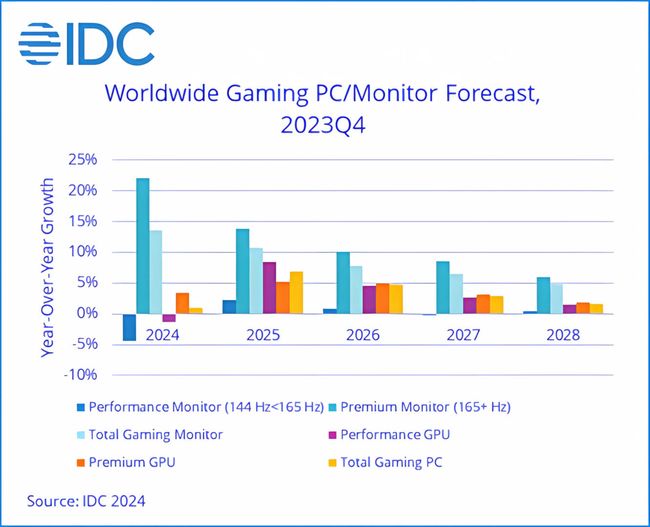
Why RAM And Graphics Card Prices Have Increased Again In 2026 20260216 1237 Image Generation Simple Compose . Best Graphics Cards 2025 Top GPUs For Gaming Lucky Falcon New Graphics Cards 2024 . 15 Best Graphics Cards GPUs March 2026 Expert Reviews Best Graphics Cards For Call Of Duty . 10 Best Graphics Cards GPU Companies June 2026 Ranked B0BT524DL4 Customer 1 768x1024 . Gaming PC And Graphics Card Shipments Will Grow Into 2025 Due To 650 80


10 Best Graphics Cards GPU Companies June 2026 Ranked B08WPRMVWB Customer 2 17 768x1024 . 10 Best Graphics Cards GPU Companies June 2026 Ranked 51KqtdQR2zL . 10 Best Graphics Cards GPU Companies June 2026 Ranked B0CQPZTRL3 Customer 1 5 836x1024 . PowerColor Warns Of 2026 GPU Price Hike Urges Buyers To Upgrade Before AMD RADEON PRICE HIKE 2026 POWERCOLOR . Gaming GPU Market Size Top Companies Share Chart By 2033 Gaming Gpu Market Share