Discover the essential guide to updating executable Steam. This comprehensive resource delves into why keeping your Steam client updated is crucial for optimal gaming performance, security, and accessing the latest features. For US gamers aged 20-45, balancing life with gaming means every minute counts. Learn how to troubleshoot common update issues, ensure smooth gameplay, and stay ahead in the ever-evolving world of PC gaming. We cover everything from automatic updates to manual fixes, ensuring your Steam executable is always running at its peak efficiency. Understand the benefits of regular updates, including enhanced stability, bug fixes, and compatibility with new game releases. This guide will help you navigate the process effortlessly, empowering you to maintain a seamless gaming experience without interruptions. Whether you are a casual player or a dedicated enthusiast, keeping your Steam client updated is a fundamental step towards uninterrupted entertainment and competitive edge. Avoid frustrating crashes and slow load times by following our expert advice on updating executable Steam today. This informational guide is tailored to help you quickly resolve any update related challenges, making your gaming sessions more enjoyable and secure. Get ready to game without glitches.
How do I fix a "Steam update required" loop?
The 'Steam update required' loop is a common headache for gamers. Start by restarting your router and computer. If the loop persists, exit Steam completely. Navigate to your Steam installation folder (typically C:\Program Files (x86)\Steam) and delete the 'package' folder. This forces Steam to redownload fresh update files upon relaunch. Also, ensure your firewall isn't blocking Steam, and try clearing your Steam download cache via Steam's settings to resolve potential corruption.
Why is my Steam not updating games even after the client updates?
If your Steam client is current but games aren't updating, check your Steam download settings for bandwidth limits or scheduled update times. Verify the integrity of game files by right-clicking the game in your library, selecting 'Properties,' then 'Installed Files,' and 'Verify integrity of game files.' Ensure adequate disk space. A corrupted download cache (found in Steam settings under 'Downloads') is a frequent culprit; clearing it often resolves the issue. Temporarily disabling antivirus or firewall software might also identify interference.
Can I roll back a Steam executable update if it causes issues?
Officially, Steam does not offer a direct 'rollback' option for client executable updates. If an update introduces problems, your best approach is to ensure all your system drivers are current, and then re-force the Steam client update by deleting the 'package' and 'beta' folders from your Steam installation directory, which often fixes corrupted installs. For severe issues, a clean reinstall of Steam (remembering to back up your 'steamapps' folder) is a reliable solution, but this should be a last resort.
What are the common error codes when updating executable Steam and how do I solve them?
Common Steam update errors often signal network or file issues. Codes like -105 or -118 typically indicate connectivity problems; try restarting your router, flushing your DNS cache, or checking firewall settings. 'Disk Write Error' or 'Content File Locked' suggest file corruption or permission conflicts; verifying game files, running Steam as administrator, or even moving your 'steamapps' folder temporarily can help. Always consult the official Steam Support page or community forums for specific error code solutions and check Steam server status.
Does updating the Steam executable improve game performance directly?
While updating the Steam executable doesn't directly upgrade your hardware, it significantly improves game performance indirectly. These updates often contain optimizations that reduce the client's resource consumption, freeing up more CPU and RAM for your games. They can also include fixes for client-side bugs that cause stutters, improve shader compilation efficiency, and enhance network code for smoother online play. A leaner, more efficient Steam client means your games run better, load faster, and offer a more stable experience, especially for demanding titles.
How often does Steam release executable updates?
Steam releases executable updates quite frequently, though without a fixed schedule. Minor bug fixes and small feature tweaks might arrive weekly, while larger client updates introducing significant changes, new features, or major security patches typically occur monthly or quarterly. The frequency often aligns with major game releases, seasonal sales, or ongoing system improvements. Steam's development aims for continuous refinement, ensuring stability, security, and compatibility with the latest games and operating system advancements, so regular updates are a constant.
Is there a beta program for Steam client updates I can join?
Yes, Steam offers a Beta Participation program for its client updates. To join, open Steam, click 'Steam' in the top-left menu, go to 'Settings' (or 'Preferences' on Mac), navigate to the 'Interface' tab, and select 'Steam Beta Update' from the 'Client Beta Participation' dropdown. This allows you to test new features and fixes before public release, providing feedback to Valve. Be aware that beta builds can sometimes be less stable than public releases, potentially introducing new bugs while resolving others.
Hey fellow gamers! Ever fired up Steam, ready to dive into that epic new game or catch up with friends in your favorite social title, only to be hit with an update? It’s a common scenario. With 87% of US gamers engaging weekly, many of us logging 10+ hours, interruptions are the last thing we need. But what if that update isn’t just for a game, but for Steam itself? Specifically, for its core executable file? We’re talking about updating executable Steam, a small but mighty task that can make or break your gaming experience. For busy adults who game to unwind or stay competitive, a smooth, secure client is non-negotiable. Let’s cut through the noise and get your Steam client running like a well-oiled machine, ensuring you’re always ready for the next adventure.
Why is updating executable Steam so crucial for my gaming setup?
Updating executable Steam is absolutely vital because it's the beating heart of your entire PC gaming ecosystem. Think of it this way: your Steam client is more than just a game launcher; it's your gateway to a vast library, a social hub for friends, and a digital marketplace. Each update to the Steam executable brings critical bug fixes that iron out pesky glitches, performance enhancements that can literally shave seconds off load times and boost in-game frame rates, and crucial security patches that protect your account from emerging threats. Imagine trying to play a popular 'this month' title like a new cozy game or a demanding esports contender with an outdated client – you might face crashes, compatibility issues, or even security vulnerabilities that leave your account exposed. Regularly updating ensures stability, optimizes your hardware's potential, and keeps you safe in an increasingly connected gaming world where social interactions and secure transactions are paramount.
How does Steam typically handle updating its executable file?
Generally, Steam is designed to be very hands-off when it comes to updating its executable file, aiming for a seamless user experience. The client usually checks for updates automatically every time you launch it. If an update is available, Steam will download and apply it in the background before fully loading. You might see a 'Updating Steam' progress bar for a few moments, or Steam might restart itself to finalize the installation. This automatic process covers the majority of updates, ensuring most users are always running a relatively current version without needing to manually intervene. This is especially helpful for the average US gamer who simply wants to launch their game and play, without worrying about maintenance. It's part of Steam's commitment to making PC gaming accessible and hassle-free, keeping you connected to friends and the latest titles without interruption.
When should I manually check for Steam executable updates?
While Steam's automatic update system is usually reliable, there are specific scenarios where manually checking for or even forcing an update for the Steam executable becomes necessary. You should consider a manual check if you’re experiencing persistent client issues like crashes, games failing to launch, or difficulty connecting to Steam services. This month, with major game releases and ongoing seasonal events, an outdated client could be the culprit behind many common problems. If you've just recovered from a network outage, completed a system restore, or suspect your automatic updates are stuck, a manual intervention can kickstart the process. Additionally, if you're troubleshooting a specific problem with Steam and official forums or support suggest a client update as a fix, it's time to take matters into your own hands to ensure you're on the latest, most stable version.
What happens if my Steam executable fails to update automatically?
If your Steam executable fails to update automatically, you'll likely encounter a range of frustrating issues that severely impact your gaming. At best, you might be stuck on an older version, missing out on crucial bug fixes, performance boosts, and new features that enhance your experience. At worst, you could face critical problems like an 'update required' loop that prevents Steam from launching at all, error messages when trying to access the store or your library, or even inability to play certain games that demand an up-to-date client. Security vulnerabilities could remain unpatched, leaving your account at risk. For many US gamers, this means being locked out of their digital playground, unable to join friends in social gaming sessions or participate in competitive matches. It’s a major roadblock that needs immediate attention to restore full functionality.
How to force an update for the Steam executable?
Forcing an update for your Steam executable is a common troubleshooting step that can resolve many client-related issues. Here's a reliable method:
- Completely Exit Steam: Ensure Steam is fully closed. Don't just close the window; right-click the Steam icon in your system tray (bottom-right of your screen) and select 'Exit Steam'.
- Navigate to Steam Installation Directory: Open File Explorer and go to your Steam installation folder. The default location is usually
C:
ogram Files (x86)	Steam
. - Delete Specific Folders: Locate and delete the '
package' folder and, if it exists, the 'beta' folder. These folders contain update files and client cache data that can become corrupted. Deleting them forces Steam to redownload fresh versions. - Restart Steam: Launch Steam normally. It will now perform a thorough check for updates, downloading and installing the latest executable and necessary client files. You should see an 'Updating Steam' window as it works.
Where can I find the Steam executable file on my PC?
Finding your Steam executable file, named Steam.exe, is quite straightforward and crucial for troubleshooting or understanding your Steam installation. On Windows, the default installation path is typically C:
ogram Files (x86) Steam. If you opted for a custom installation directory during setup, you'll need to navigate to that specific location. Inside this main Steam folder, you'll find the Steam.exe file along with other core Steam files and folders. Knowing its exact location is helpful for a variety of tasks, such as creating desktop shortcuts, setting launch options directly through the executable's properties, or diagnosing issues where the client itself might not be launching correctly. Always ensure you're in the correct Steam root directory to avoid confusion with game-specific executables.
Is it safe to delete and reinstall Steam to update its executable?
Yes, deleting and reinstalling Steam is generally a safe and effective method to ensure you have the absolute latest executable and a clean client installation, especially when conventional update methods fail or you're experiencing severe corruption. However, there's a crucial caveat: you don't need to delete your games! Before uninstalling Steam, navigate to your Steam installation directory (e.g., C:
ogram Files (x86) Steam) and move the 'steamapps' folder to a safe location, like your desktop or another drive. This folder contains all your game files. After uninstalling Steam through Windows' 'Add or remove programs,' delete any remaining Steam files in the original directory, then reinstall Steam from the official website. Once reinstalled, move your 'steamapps' folder back into the new Steam installation directory. Steam will then quickly 'discover' your existing game files, saving you massive re-download times. This method guarantees a fresh Steam executable while preserving your valuable game data, making it a powerful troubleshooting tool for any busy US gamer.
Who benefits most from a regularly updated Steam client?
Virtually every Steam user benefits from a regularly updated client, but busy adults who game to unwind, socialize, compete, or escape stand to gain the most. For Gen Z and Millennial realities, balancing work, life, and an average of 10+ hours of gaming a week means efficiency is key. An updated client ensures:
- Stability for Stress Relief: No frustrating crashes mid-session when you're trying to decompress with a cozy game.
- Seamless Socializing: Reliable chat, friends lists, and party invites crucial for connecting with friends in popular social games or Discord.
- Competitive Edge: Optimal performance and no unexpected glitches in esports titles.
- Security and Peace of Mind: Protection against malware and account theft, especially important with in-game purchases and linked payment methods.
- Access to Latest Trends: Compatibility with new VR experiments, major title releases this month, and free-to-play events.
FAQ Section
How do I fix a 'Steam update required' loop?
The 'Steam update required' loop is a common headache. First, try restarting your router and PC. If that doesn't work, completely exit Steam, then navigate to your Steam installation directory (e.g., C: ogram Files (x86) Steam) and delete the 'package' folder. You can also try deleting 'ClientRegistry.blob' if it exists. Relaunching Steam should then force a fresh, clean update. Check your firewall settings to ensure Steam isn't being blocked, as this is a frequent culprit for network-related update issues. Clearing your download cache in Steam settings (Steam > Settings > Downloads > Clear Download Cache) can also resolve this.
Why is my Steam not updating games even after the client updates?
If your Steam client is up to date but games aren't updating, several factors could be at play. Check your Steam download restrictions (Steam > Settings > Downloads) for any bandwidth limits or scheduled update times. Verify the integrity of game files by right-clicking the game in your library, selecting 'Properties,' then 'Installed Files,' and 'Verify integrity of game files.' Also, ensure you have sufficient disk space. Sometimes, Steam's download cache can become corrupted; clearing it (as mentioned above) is a good step. Temporarily disabling your antivirus or firewall to see if it's interfering can also help diagnose the issue.
Can I roll back a Steam executable update if it causes issues?
Officially, Steam does not provide a direct 'rollback' feature for its executable updates. Once an update is applied, it's generally meant to be permanent. If an update causes significant issues, your best course of action is to ensure all your drivers are updated, verify the integrity of Steam's own files by following the 'force update' steps (deleting 'package' and 'beta' folders), or perform a clean reinstall of Steam (remembering to back up your 'steamapps' folder). For severe, widespread bugs, Steam usually releases hotfixes quickly. You can also opt into the Steam Beta Client (Steam > Settings > Interface > Client Beta Participation) for early access to fixes, though this can sometimes introduce new bugs.
What are the common error codes when updating executable Steam and how do I solve them?
Common error codes when updating executable Steam often relate to network connectivity, file corruption, or server issues. Errors like 'Error Code -105' (network connection problem), 'Error Code -118' (failed to load webpage), or 'Could not connect to Steam network' typically point to internet problems, DNS issues, or firewall blocks. Solutions include restarting your router, flushing DNS cache (using 'ipconfig /flushdns' in Command Prompt), and checking firewall/antivirus settings. 'Disk Write Error' or 'Content File Locked' often indicate corrupt files or permissions issues; verifying game files, running Steam as administrator, or moving the 'steamapps' folder can help. Always check the Steam Status page online to see if servers are experiencing outages.
Does updating the Steam executable improve game performance directly?
Yes, updating the Steam executable can indirectly but significantly improve game performance. While it doesn't directly boost your GPU or CPU, a more optimized Steam client means fewer background resources are consumed, leading to more system resources available for your games. Updates often include code optimizations that reduce memory footprint, improve shader compilation, enhance download/streaming efficiency, and fix client-side bugs that might cause stuttering or loading issues. For demanding titles, having a lean, efficient Steam client can translate into smoother frame rates and faster loading screens, giving you a better overall gaming experience, especially for US gamers seeking peak performance.
How often does Steam release executable updates?
Steam releases executable updates quite frequently, though not necessarily on a fixed schedule. Minor updates and bug fixes might roll out weekly, especially if there are critical issues or new features being tested. Larger, more significant updates that introduce major client changes or new functionalities typically happen less often, perhaps monthly or quarterly. The frequency can also depend on current trends, such as major game launches or seasonal sales events that require client stability and new features. Steam's development model is continuous, meaning updates are pushed out as needed to maintain stability, security, and feature parity with the evolving gaming landscape, including popular social and competitive games.
Is there a beta program for Steam client updates I can join?
Absolutely! Steam offers a Beta Participation program that allows users to test upcoming client features and updates before they are officially released. This is a great way to get a sneak peek at new functionalities and provide feedback to Valve. To join, open Steam, go to 'Steam' in the top-left corner, select 'Settings' (or 'Preferences' on Mac), navigate to the 'Interface' tab, and under 'Client Beta Participation,' select 'Steam Beta Update' from the dropdown menu. Be aware that beta clients can sometimes be less stable and may introduce new bugs, but they also give you access to the latest developments, often helping resolve issues faster.
What are the best practices for maintaining an updated Steam client?
Maintaining an updated Steam client primarily involves ensuring its automatic update feature is enabled and your internet connection is stable. Regularly restarting your PC and Steam client allows updates to apply smoothly. Keep your operating system and graphics drivers updated, as these can impact Steam's functionality. Periodically clear your Steam download cache (Steam > Settings > Downloads > Clear Download Cache) to prevent corrupted files from interfering. Running a quick scan with your antivirus software and ensuring Steam is whitelisted in your firewall can also prevent common update issues. These proactive steps ensure your Steam executable is always ready for peak performance.
Can an outdated Steam executable impact my multiplayer experience?
Yes, an outdated Steam executable can absolutely wreak havoc on your multiplayer experience. Many online games, especially competitive titles or those with robust social features, require specific client versions to ensure compatibility with game servers and other players. An outdated client might prevent you from joining certain servers, display incorrect friend statuses, cause disconnects, or lead to desynchronization errors. In the current landscape of cross-play and integrated social platforms, staying updated is crucial for seamless interaction with friends and the wider gaming community, preventing you from being left out of the action in your favorite multiplayer games.
Are there any privacy concerns with Steam executable updates?
While Steam's executable updates are generally focused on improving client functionality, performance, and security, privacy concerns typically revolve around the data Steam collects. Updates themselves don't inherently introduce new privacy risks beyond what the platform already outlines in its privacy policy. Valve is transparent about data collection for analytics, bug reporting, and targeted content delivery. US gamers concerned about privacy should regularly review Steam's privacy policy, manage their profile privacy settings, and be mindful of what information they share on the platform. Staying updated ensures you benefit from any new privacy controls or security enhancements introduced in the latest client versions, aligning with modern data protection standards.
How do I know if my Steam executable is the latest version?
You can easily check if your Steam executable is the latest version by opening Steam, clicking 'Steam' in the top-left menu, and then 'Check for Steam Client Updates...'. If your client is up to date, a small window will pop up confirming 'Your Steam client is already up-to-date.' Alternatively, the version number is often displayed in the bottom-left corner of the Steam client window. You can cross-reference this with official Steam news or community forums if you suspect an update was missed. Keeping an eye on this ensures you're never caught off guard when a new feature or fix rolls out.
What if my internet is slow when updating executable Steam?
If your internet connection is slow when updating executable Steam, the update process will naturally take longer, potentially leading to timeouts or corrupted downloads. To mitigate this, ensure no other heavy internet activities are running in the background (like large downloads or streaming). You can also try changing your download region in Steam settings (Steam > Settings > Downloads > Download Region) to a server closer to you or one with less traffic, which can sometimes improve speeds. If possible, use a wired Ethernet connection instead of Wi-Fi for more stable downloads. During peak times, consider updating early morning or late at night when network congestion is typically lower, optimizing your chances for a smooth update.
Can I update the Steam executable without an internet connection?
No, you cannot update the Steam executable without an active internet connection. The update process requires downloading files from Steam's servers. If your PC is offline, Steam cannot check for new versions or download the necessary update files. While Steam can launch in Offline Mode, this will only allow you to play games that do not require an internet connection and have been fully updated previously. To update the Steam client, you must have a stable and active connection to the internet. This is a fundamental requirement for any online-dependent software platform like Steam.
Conclusion: Keep Your Game Strong!
Keeping your Steam client, especially its executable file, updated is foundational for a flawless PC gaming experience. For US gamers balancing life's demands with their passion for play, minimizing technical headaches means maximizing enjoyment. By understanding how Steam updates work, troubleshooting common issues, and proactively managing your client, you're not just staying current – you're future-proofing your fun. Remember, an updated client means better performance, ironclad security, and seamless access to all the latest games and social features that make Steam so great. So, take a few minutes to ensure your Steam is always in top shape, and get back to what you love: gaming!
Got more tips or questions about keeping Steam updated? Drop a comment below! Share this guide with your gaming squad to help them troubleshoot, too. For more expert advice on navigating the ever-evolving world of gaming, consider subscribing to our newsletter!
Meta Title Idea: Guide Updating Steam Executable for US Gamers 2026 - Fix & Optimize
Meta Description Idea: Troubleshoot & optimize updating executable Steam with our 2026 guide for US gamers 20-45. Learn how to fix update errors, force updates, and ensure peak performance for your PC games. Get back to gaming now!
Internal Link Suggestions: Link to articles on 'Optimizing Game Performance on PC,' 'Troubleshooting Common Steam Game Errors,' 'Best Free-to-Play Games This Month,' 'Securing Your Steam Account.'
External Link Suggestions: Link to official Steam Support pages, Valve's Blog for official announcements, recent US gaming statistics reports.
Image Alt Text Recommendations: 'Steam client updating progress bar,' 'Screenshot of Steam settings download region,' 'File Explorer showing Steam installation directory with package folder highlighted,' 'Gamer happily playing a game on PC after update.'
Seamless automatic updates, troubleshooting update errors, manual update methods, importance of updating for security and performance, ensuring game compatibility, resolving common Steam client issues, optimizing gaming experience, benefits of regular maintenance.
35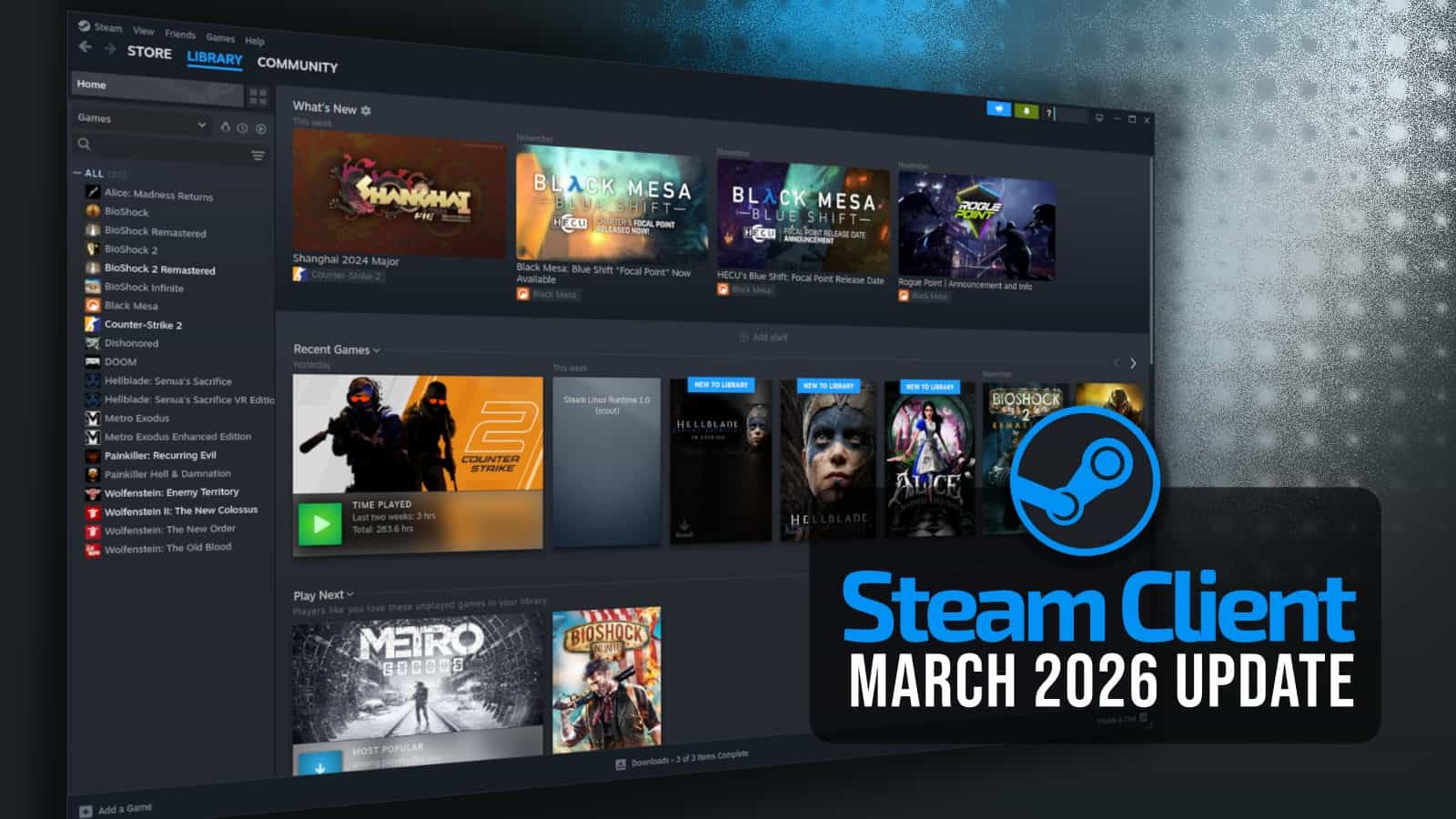


Steam March 2026 Client Update Adds Hardware Specs To User Reviews Steam Client Mar 2026 . Steam For Windows Moves To 64 Bit 32 Bit Updates End On January 1 Valve Client 64 Bit 850x370 . How To Fix Steam Failed To Start Game Missing Executable Full . Steam Community Guide Possible Proper Updating Executable Fix. How To Update Steam Application To Latest Version 2026 Tutorial YouTube

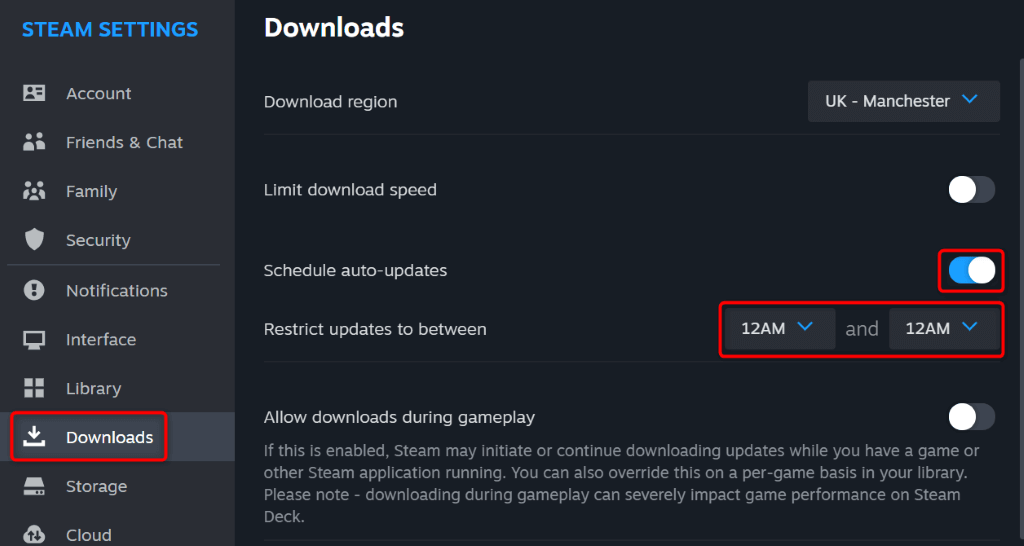
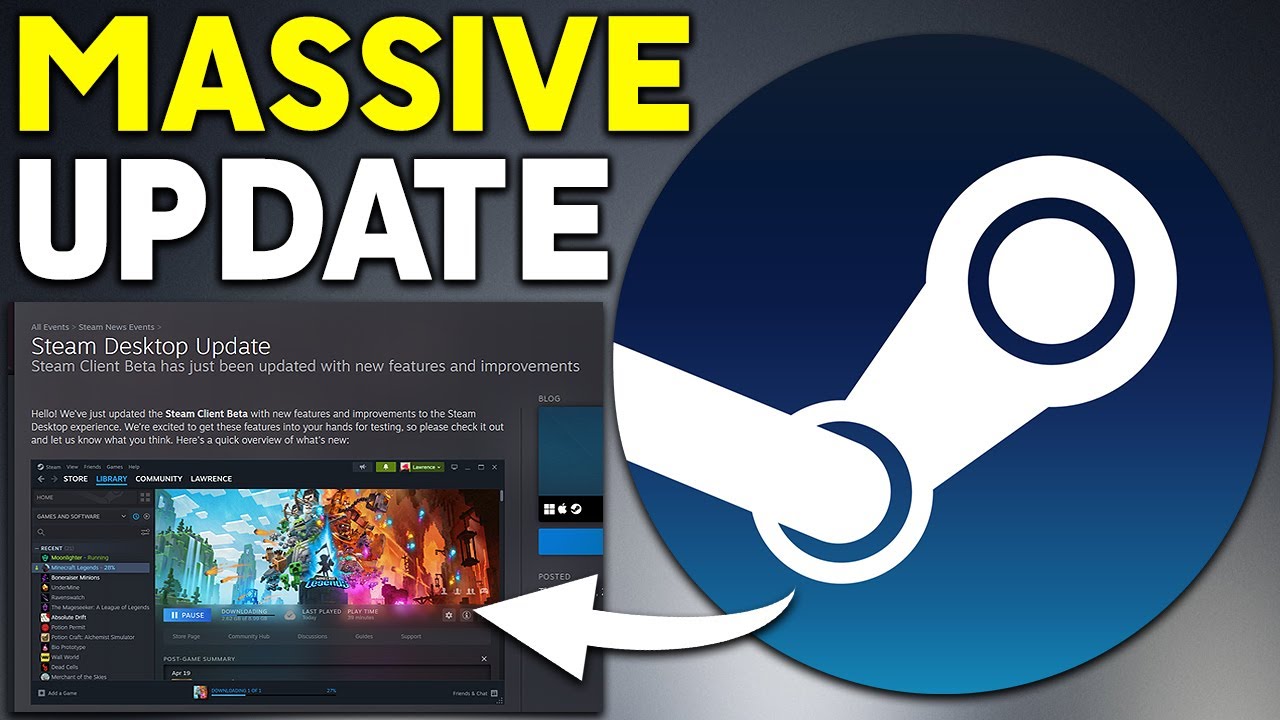


Fix Steam Stuck On Preparing To Launch In Windows 10 TechCult Steam Self Updater Will Download Updates Automat . 7 Ways To Fix When Steam Keeps Updating 7 Ways To Fix When Steam Keeps Updating 5 Compressed . MASSIVE STEAM UPDATE TONS OF NEW FEATURES MORE YouTube . How To Update Steam To Latest Version QUICK GUIDE YouTube . Valve Responds To Steam Machine Delay Fears Confirms 2026 Release Window Steam Machine Release Date Delay


Steam Machine Release Date Price And Specs 2026 Update Steam Machine Release Date Price Specs 2026 1024x687 . How To FIX Steam Corrupt Update Files 2026 Step By Step Guide YouTube . Why Steam Updates So Often It Seems Like It S Every Day Tech Overwrite Another Updating Steam Dialog During The Update Process 768x768 . How To Update Steam To The Latest Version 2025 Guide YouTube . How To Fix Steam Corrupt Update Files 2026 Complete Guide YouTube




HOW TO UPDATE GAMES ON STEAM 2026 FULL GUIDE YouTube . Steam Community Guide Possible Proper Updating Executable Fix. Steam Desktop Update Introduces Several New Features Steam Desktop Update. Nuova Steam Machine 2026 Giochi Compatibili E Data Di Nuova Steam Machine 2026.webp. New Steam Features For 2026 Steam Features 2026 What S New Banner.webp



Valve S 2026 Steam Hardware What To Expect Steam Hardware 3A 2026. When Is The Next Steam Sale May 2026 Update Countdown. Steam Machine Price Valve Confirms 2026 Release Window Steam Machine 2026 Release. Steam Sales Dates For The Second Half Of 2026 Announced Steam Sales Dates Second Half Of Year 2026 VGNW 1536x864 . Steam Client September 2026 Update Brings In Game Overlay Steam Banner Image 1536x864



Steam 2026 04 Steam . Steam Community Guide Possible Proper Updating Executable Fix. Steam 2026 Steam. How Valve Can Win With Steam Machine Strategy In 2026 NoobFeed Valve Steam Machine Launch 2026. Steam Sales 2026 Here S The Schedule For The First Half Of The Year 1824cr953



How To Update Steam Turn On Auto Update On Steam 768x472 . How To Fix Missing Executable Steam 2024 Quick Solution YouTube . How To Check For Steam Update On PC Update Steam Manually YouTube . Steam 2026 1 . 2026 Steam Ndirimleri Ve Etkinlik Takvimi2026 N N Lk Yar S Nda Steam 1 780x470