Uncover the secrets to transforming your Roblox creations with stunning stone textures. This comprehensive guide navigates the world of Roblox Studio materials, offering insights into why detailed stone textures are crucial for immersion and how to effectively implement them. From understanding the MaterialService to crafting custom PBR materials, developers can elevate their game environments. Learn about the diverse range of stone properties available, best practices for their application, and the impact of realistic textures on player engagement. We delve into trending techniques for creating ancient ruins, rugged mountains, or sophisticated urban landscapes. Discover the optimal workflows for texture mapping, scaling, and blending various stone types to achieve unparalleled visual fidelity. This informational resource is tailored for both new builders and experienced creators seeking to enhance their Roblox projects. It highlights how these aesthetic choices directly influence a game's atmosphere and overall player experience. Explore the tools and methods to make your digital worlds feel truly alive with authentic stone elements.
Related games- Guide: Master DND Gaming Mode Settings 2026
- Roblox Security Unpacked: Is Your Account Safe?
- Guide: Washington Game Time 2026 Never Miss a Play
- Sonic EXE Image IDs Roblox: Your Ultimate Guide
- Guide: Chiefs Game Times 2026 Schedule
Hey fellow Robloxians! Ever find yourself staring at a plain grey block wishing it looked like a craggy mountain or an ancient cobblestone path? You're not alone! This ultimate living FAQ is your go-to guide for everything 'stone texture Roblox', updated for the latest Studio patches. We're covering all the bases, from beginner tips to advanced material wizardry, ensuring your builds pop with realistic geological goodness. Whether you're a seasoned developer or just starting, this guide will help you understand the 'why' and 'how' behind transforming your digital landscapes. It's all about making your virtual worlds feel truly alive and immersive, don't you think? We want your stone to tell a story.
Getting your stone textures just right in Roblox can dramatically enhance player immersion and game aesthetics. From the subtle wear on a cobblestone path to the rugged grandeur of a mountain range, these details truly matter. This FAQ is designed to answer all your burning questions, drawing from common community discussions and expert advice. We've structured it to be easily scannable, ensuring you quickly find the information you need, whether it's troubleshooting a bug or discovering a new trick. Think of this as your personalized mentor for all things stone, guiding you to create visually stunning and engaging environments. Let's make your Roblox worlds rock!
We understand the challenges and joys of building in Roblox, and we're here to make your journey smoother. This comprehensive guide covers everything from basic application to advanced PBR techniques, ensuring your creations stand out. We've distilled complex topics into easy-to-understand answers, incorporating tips and tricks directly into the explanations. Our goal is to empower you with the knowledge to craft environments that not only look good but also perform efficiently. Dive in and discover how to leverage the full potential of stone textures in your next Roblox masterpiece, making your game a memorable experience for everyone. Happy building!
Most Asked Questions about Stone Texture Roblox
How do I make custom stone textures appear realistic in Roblox Studio?
To achieve realistic custom stone textures in Roblox Studio, focus on using Physically Based Rendering (PBR) materials. This involves creating or sourcing Albedo (color), Normal (bump), and Roughness (specularity) maps for your stone texture. Apply these maps through Roblox's MaterialService, ensuring proper scaling and tiling. Experiment with different light sources and environmental settings within Studio to fine-tune how the stone interacts with light, enhancing its authentic appearance and depth. Consistency in your PBR maps is key for true realism.
What is the MaterialService and why is it important for stone textures?
The MaterialService in Roblox Studio is a crucial tool that allows developers to create, override, and manage custom materials, including stone textures, beyond the default options. It's important because it enables the use of advanced features like PBR, which brings unparalleled realism to your stone surfaces by simulating real-world light interactions. This service offers creative freedom to design unique stone types that perfectly fit your game's aesthetic, making your environments truly stand out and feel more immersive.
How can I prevent stone textures from looking repetitive or 'tiling' visibly?
Preventing repetitive stone textures on large surfaces requires several strategies. First, use seamless textures that blend well at their edges. Implement texture blending by combining multiple variations of your stone texture, perhaps with slight rotations or different scales. Utilize Roblox's MaterialService to apply custom materials that interact dynamically. For terrain, leverage the engine's natural blending capabilities with varied brush strokes. Additionally, consider subtle overlays like dirt or moss to break up patterns, enhancing natural look.
Are there good free resources for Roblox stone textures (PBR ready)?
Yes, several excellent free resources provide PBR-ready stone textures ideal for Roblox. Websites like Poly Haven offer high-quality, free PBR assets with all the necessary maps (Albedo, Normal, Roughness, AO). Textures.com also has a selection of free textures available, and you can often find community-made assets on the Roblox Creator Marketplace. When searching, ensure the textures are listed as 'seamless' and include the full suite of PBR maps for optimal realism in your builds, giving you a strong visual base.
How do Material Variants improve dynamic stone effects like wetness or moss?
Material Variants are a powerful Roblox Studio feature allowing you to create different visual versions of the same base material. For dynamic stone effects, you can define a 'Stone_Wet' variant with increased reflectivity and altered normal maps, or a 'Stone_Mossy' variant with green texture overlays. These variants can then be swapped programmatically via scripting in your game based on environmental factors like rain or time. This creates highly immersive and reactive environments, making your stone feel alive and responsive to its surroundings.
What are common bugs or issues when applying custom stone textures, and how can I fix them?
Common issues with custom stone textures include blurry appearances, visible tiling, or incorrect PBR rendering. Blurry textures often mean insufficient resolution for the applied area; use higher-resolution images or adjust tiling. Visible tiling can be fixed with blending techniques, texture rotation, or material variations. Incorrect PBR rendering usually points to improperly authored Normal or Roughness maps; ensure they are in the correct format and color space for Roblox Studio. Always test your materials in various lighting conditions to catch and resolve issues efficiently. Debugging involves checking map integrity.
Tips and Tricks for optimizing stone texture performance in Roblox games?
Optimizing stone texture performance is vital for smooth gameplay. Use appropriate texture resolutions; high-res for close-ups, lower-res for distant objects. Employ texture atlases where possible to combine multiple textures into one, reducing draw calls. Reuse textures across different parts or materials to minimize memory footprint. Adjust the 'TextureID' or 'Material' properties wisely for large areas, favoring MaterialService for terrain. Regularly test your game on various devices to identify and address performance bottlenecks, ensuring a balance between visual fidelity and playability. Efficient texturing saves framerates.
Still have questions?
Check out the official Roblox Creator Documentation for MaterialService and Terrain, or dive into community forums for more advanced discussions and solutions. Happy building!
Ever wondered how to make your Roblox builds look less like simple blocks and more like high-fidelity, living environments? We're diving deep into the art of stone textures in Roblox Studio right now. Getting those perfect rocky surfaces or ancient ruins isn't just about picking a default option anymore. It's about leveraging powerful tools to craft truly immersive worlds that players absolutely can't get enough of in this current gaming landscape. This year, visual fidelity is a huge game-changer, and finely detailed stone textures are at the forefront of that revolution, making your creations pop. Let's explore why this matters and how you can master it for your own projects.
Why is everyone so focused on stone textures now, you ask? Simple. Players demand realism and depth, even in Roblox. A well-placed, high-quality stone texture can tell a story. It can convey age, wear, stability, or even danger, all without a single line of dialogue. When we talk about how to make your game feel more grounded and believable, the answer often lies in the details. Stone textures are fundamental elements that ground your world. They are the bedrock of realistic environmental design, literally and figuratively speaking, making everything else feel more cohesive. Learning where to find and apply the best stone textures will elevate your builds significantly.
The Foundation Stone Understanding Roblox Materials
Before we jump into advanced techniques, let's talk about the basics of Roblox materials. The platform offers a variety of default materials, and while they're a good starting point, truly custom stone textures are where the magic happens. Think of the Roblox MaterialService as your digital geology lab, giving you the power to define how different surfaces interact with light and shadow. This service allows you to override default materials or even create entirely new ones from scratch. Understanding its capabilities is crucial for anyone serious about environmental design in Roblox, providing immense creative freedom.
How to Access and Utilize the MaterialService
Accessing the MaterialService is surprisingly straightforward within Roblox Studio. You'll find it in the Explorer window, and from there, you can begin to import your custom textures. This is where you connect your downloaded or self-created stone texture maps. These maps include the color (Albedo), normal (for bumps and dents), roughness (how shiny or dull), and sometimes metallic or ambient occlusion maps. Each map plays a vital role in how your stone material ultimately appears. Experimenting with these values is key to achieving that perfect look and feel.
- What is Albedo? This is your basic color map, showing the pure color of the stone without any lighting information.
- Why are Normal Maps important? They simulate surface details like cracks and unevenness without adding extra polygons.
- How does Roughness work? This map dictates how diffuse or reflective your stone surface is, influencing its perceived texture.
When you start to dive into these material properties, you realize the immense control you have. You can make a stone look wet and slippery, dry and dusty, or even moss-covered. The possibilities for creative expression are truly endless here. It's about blending artistic vision with technical understanding to bring your stone surfaces to life in a way that feels authentic and compelling to players.
Building with Better Stones Implementing Custom Textures
So, you've got your custom stone textures ready. Now, how do you get them into your Roblox world and make them look amazing? The process involves a few key steps that ensure your textures are applied correctly and optimized for performance. It’s not just about slapping a texture onto a part; it's about thoughtful application and scaling. Properly implemented, these textures can completely transform a bland area into a rich, detailed environment. This attention to detail will certainly set your creations apart from the rest.
Applying Textures to Parts and Terrain
Applying textures to individual parts is quite simple using the 'TextureID' property. However, for larger areas like terrain, you'll want to leverage the MaterialService. This allows your custom stone texture to seamlessly blend with existing terrain materials. It’s a powerful feature that ensures consistency and reduces visual jarring. When you're building expansive outdoor scenes, this method is a game-changer for maintaining a high level of detail. Remember to consider the scale of your texture. A texture that looks great on a small rock might tile poorly on a massive cliff face, so adjust accordingly.
Who benefits most from these custom stone textures? Every developer looking to elevate their game's visual quality. Whether you're making an RPG, an adventure map, or a detailed showcase, the visual impact is undeniable. Players notice and appreciate these subtleties, leading to a more engaging and immersive experience. This improved aesthetic quality can significantly boost player retention. Therefore, investing time in understanding and implementing good textures is always a worthwhile endeavor for any serious Roblox creator.
Advanced Stone Crafting PBR and Material Variants
When you're ready to push the boundaries of realism, Physically Based Rendering (PBR) textures are your next step. PBR materials simulate how light behaves in the real world, resulting in incredibly lifelike surfaces. This advanced technique helps to ensure that your stone textures react accurately to light sources. Roblox Studio's MaterialService fully supports PBR, allowing you to import a full suite of texture maps (Albedo, Normal, Roughness, Metallic, Ambient Occlusion) to achieve photorealistic results. When these maps are layered correctly, the depth and realism of your stone surfaces become truly remarkable. This level of detail is essential for a truly modern gaming aesthetic.
Leveraging Material Variants for Dynamic Environments
Material Variants are another fantastic tool for dynamic and varied environments. This feature lets you create different versions of the same material, like 'mossy stone' or 'wet stone,' which can be swapped out programmatically. Imagine a dynamic weather system where rain makes all your stone textures appear wet and reflective. This level of environmental storytelling adds immense depth and replayability. Knowing when and how to implement material variants can make your world feel incredibly alive. It truly adds another layer of polish to your Roblox creations, keeping players more engaged.
- Why use PBR? For unparalleled realism in how light interacts with surfaces, making stones look incredibly authentic.
- How do Material Variants help? They enable dynamic changes to materials, like adding wetness or moss based on environmental factors.
- When should I use these? For games aiming for high visual fidelity, environmental storytelling, and dynamic world interactions.
The synergy between PBR and Material Variants is truly powerful. You're not just creating static images; you're crafting living, breathing environments that react to player actions and environmental changes. This sophistication is what sets truly exceptional Roblox games apart. Don't underestimate the power of these advanced techniques. They offer a pathway to creating worlds that captivate and hold player attention for much longer periods.
Optimization and Performance Making Your Stones Run Smoothly
While high-fidelity textures are fantastic, they can also impact game performance if not handled correctly. How do you ensure your beautifully textured stone environments don't cause lag? Optimization is key. This involves careful management of texture resolution, understanding LOD (Level of Detail), and efficient asset loading. A smooth player experience is paramount, even with stunning visuals. Nobody wants a beautiful game that constantly stutters, so balancing aesthetics with performance is a critical skill for any developer to master. It's about smart design choices, not compromises on quality.
Tips for Efficient Texture Management
When you're dealing with numerous stone textures, efficient management becomes crucial. Consider using texture atlases where possible, combining multiple small textures into one larger image. This reduces draw calls and improves rendering performance. Also, pay attention to the resolution of your textures. High-resolution textures are great for close-up details but might be overkill for distant objects. Employing lower-resolution textures for items further away can significantly boost frame rates without noticeable visual degradation. It’s about being smart with your resources. Always test your game on various devices to ensure broad compatibility and a consistent player experience across the board.
Who should be concerned about optimization? Everyone! From solo developers to large teams, a well-optimized game runs better on more devices. This directly translates to a wider potential audience and happier players. A game that runs smoothly is a game that gets played more often. Therefore, incorporating optimization practices from the very beginning of your development cycle is a wise decision. Think about it as laying a solid foundation for your game's future success, ensuring it performs as brilliantly as it looks.
How do current trending topics intersect with stone textures? With the rise of detailed open-world games and experiences focused on exploration, realistic and varied terrain becomes indispensable. Stone textures are foundational to building believable mountains, caves, canyons, and ancient ruins. The community is increasingly valuing games that offer immersive visual narratives, and well-crafted stone textures play a massive role in telling those stories. Consider games focused on survival or historical reconstruction; authentic stone surfaces are not just decorative but functional, defining pathways and hiding secrets. This trend emphasizes the importance of visual authenticity.
Why is understanding these aspects so crucial for developers today? Because Roblox is evolving rapidly. The tools available now allow for a level of visual sophistication that was unimaginable a few years ago. Developers who embrace these new capabilities, especially in material design, will be the ones creating the next generation of trending Roblox experiences. Players are becoming more discerning, and 'good enough' is no longer good enough when it comes to visual polish. Investing time in mastering stone textures is investing in your game's future appeal and competitive edge, ensuring your creations stand out significantly in a crowded marketplace.
Common Questions on Stone Textures in Roblox
It's natural to have questions when diving into something as detailed as material design. Many developers ask about blending textures seamlessly or fixing common tiling issues. We've gathered some of the most frequently asked questions from the community to provide clear, actionable answers. These insights come from countless hours of development and community discussions. Getting these fundamentals right will save you a lot of headaches down the line. We aim to address the practical concerns that often arise, giving you the confidence to experiment freely with your creations.
- What if my stone texture looks blurry? This often means the texture resolution is too low or it's stretched across too large an area. Consider higher resolution textures or tiling them more frequently.
- How do I prevent noticeable texture tiling? Use a combination of texture blending, different texture rotations, and material variants. Procedural texturing can also help.
- When should I use normal maps for stone? Always! Normal maps add crucial depth and realism, making flat surfaces appear bumpy and detailed.
Remember, perfecting your stone textures is an ongoing process of learning and refinement. Don't be afraid to experiment, try new techniques, and seek inspiration from real-world geology or other games. The Roblox community is also a fantastic resource for sharing ideas and getting feedback. Keep pushing those creative boundaries, and your players will undoubtedly notice the effort you put into making their virtual worlds feel truly exceptional. Every little detail contributes to the overall immersive experience.
The Future of Stone in Roblox Studio Ever-Evolving Textures
The development of Roblox Studio is continuous, and the tools for material and texture creation are constantly improving. What does this mean for stone textures? Expect even more sophisticated PBR capabilities, easier integration of custom assets, and potentially more procedural generation options. Staying updated with Roblox's release notes and developer forums is key to leveraging these new features as soon as they drop. The future promises even greater control and realism for environmental artists within the platform. This ongoing evolution empowers creators to build increasingly complex and visually stunning worlds.
Who is driving these innovations? It's a collaborative effort between the Roblox engineering team and the incredible developer community. Feedback from creators like you directly influences the direction of these tools. So, keep building, keep experimenting, and keep sharing your amazing stone-textured worlds. Your contributions not only enhance your own games but also push the entire platform forward. Embrace the journey of discovery, because the possibilities for creative expression are only going to expand from here. This shared passion for creation is what makes the Roblox platform so dynamic.
Conclusion Your Journey to Stone Mastery
Mastering stone textures in Roblox Studio is a journey, not a destination. It involves understanding the core principles of material science, utilizing powerful Studio tools, embracing advanced techniques like PBR, and always keeping optimization in mind. The effort you put into crafting believable stone surfaces will pay dividends in player immersion and appreciation. Your ability to transform simple blocks into ancient ruins or majestic mountains speaks volumes about your skill as a developer. This skill directly translates to a more engaging and memorable player experience, making your game stand out.
Remember, every great structure, every epic landscape, starts with a foundational understanding of its materials. For us in Roblox, that often begins with stone. So go forth, experiment with those normal maps, tweak those roughness values, and sculpt environments that transport players to entirely new worlds. You’ve got this! We can't wait to see the incredible stone textures you'll bring to life in your next Roblox masterpiece. The community is always eager to witness new innovations. Keep building, creating, and inspiring everyone around you with your unique vision. The only limit is your imagination. Happy building, fellow Robloxians!
Beginner / Core Concepts
- Q: What exactly are 'stone textures' in Roblox Studio, and why are they important for my game?
- Q: How do I apply a basic stone texture to a part or terrain in Roblox Studio?
- Q: Where can I find good quality stone texture images to use in Roblox?
- Q: What is the MaterialService and why should I use it for stone textures?
A: Stone textures in Roblox Studio are image files that define the surface appearance of a part or terrain, making it look like various types of stone. They're super important because they add visual realism and depth to your builds, helping to create immersive environments. Instead of a plain gray block, a good stone texture can make it look like ancient cobblestone, rugged mountain rock, or smooth marble, drastically improving your game's aesthetic appeal. Think of them as the skin of your virtual world, giving character and atmosphere to everything. You've got this! Start simple and see the immediate difference.
A: Applying a basic stone texture is pretty straightforward once you get the hang of it. For a single part, select the part, then in the Properties window, find the 'TextureID' property. You can click the folder icon to upload your own image or choose from existing Roblox assets. For terrain, you'll use the 'Material' property in the Terrain Editor, choosing from default stone options or applying a custom material using the MaterialService. It's like giving your blocks a fresh coat of paint, but with much more detail. Try this tomorrow and let me know how it goes.
A: Finding good quality stone textures is easier than you think! Many developers start with free online resources like Poly Haven, Textures.com (which offers some free assets), or even the Roblox Creator Marketplace itself, where other creators share assets. You can also create your own using software like Substance Designer or even by photographing real-world stones and processing them. Just make sure the textures are seamless so they tile well without noticeable edges. Remember, the better the source, the better your in-game result will be. Don't settle for blurry images; clear textures make a world of difference!
A: The MaterialService is a powerful feature in Roblox Studio that allows you to create and manage custom materials, including stone textures, beyond the default options. You should use it because it gives you immense control over how your materials look and behave, supporting advanced features like Physically Based Rendering (PBR). This means your stone can react realistically to light, shadows, and environment probes, making it look incredibly lifelike. It's the key to making your stone truly unique and high-fidelity, pushing past the standard Roblox look. It might seem daunting at first, but it's a game-changer once you grasp it.
Intermediate / Practical & Production
- Q: How do I prevent my custom stone textures from looking repetitive or 'tiling' visibly across large surfaces?
- Q: What are Normal Maps and Roughness Maps, and how do they enhance stone textures in Roblox?
- Q: How can I create or find high-quality PBR-ready stone textures for Roblox Studio?
- Q: What are Material Variants, and how can they be used to make stone textures more dynamic?
- Q: Are there any performance considerations when using detailed stone textures or many custom materials?
- Q: How do I effectively blend different stone textures (e.g., rock with dirt or gravel) on terrain in Roblox Studio?
A: I get why this confuses so many people – visible tiling can really break immersion! The trick is using a combination of techniques. First, ensure your base texture is truly seamless. Then, try blending multiple variations of your stone texture, perhaps with slight rotations or different scales. You can also use overlay textures, like subtle dirt or moss, to break up the pattern. For terrain, Roblox's built-in blending often helps, but for parts, consider using multiple parts with different textures or even implementing a custom shader. It takes a bit of experimentation, but the payoff is huge for realism. You've totally got this! Just keep experimenting with those blends.
A: These maps are vital components of Physically Based Rendering (PBR) and really bring your stone to life. A **Normal Map** (often purple-blue) simulates surface bumps, cracks, and details without actually adding more geometry to your model. It makes a flat surface *appear* rough and uneven, giving incredible depth. A **Roughness Map** (grayscale) tells the game engine how shiny or dull parts of your stone are. A rougher area scatters light more, appearing matte, while smoother areas reflect light more directly, appearing polished or wet. Together, they create realistic visual fidelity that makes players feel like they could actually touch the stone. It's a bit like adding wrinkles and sheen to a photo to make it pop. You'll wonder how you ever built without them!
A: This one used to trip me up too, but PBR-ready textures are becoming much more accessible! You can create them yourself using software like Adobe Substance Designer or Blender's texture painting tools, which generate all the necessary maps (Albedo, Normal, Roughness, Ambient Occlusion). Alternatively, fantastic resources like Poly Haven, Quixel Bridge (for Unreal Engine assets, but many textures are usable), and GameTextures.com offer huge libraries of high-quality PBR materials, often with free tiers. When searching, look for 'PBR textures' or 'seamless PBR material packs.' Make sure to download all the associated maps, not just the color. Getting these will drastically improve your game's visual quality. Try downloading a free PBR pack and experimenting; you'll be amazed!
**A:** Material Variants are an awesome feature in Roblox Studio that lets you create different versions of a base material. Imagine having a 'Stone' material, and then you can define variants like 'Stone_Mossy', 'Stone_Wet', or 'Stone_Cracked'. You can then swap between these variants dynamically in your game using scripts. This is incredibly powerful for environmental storytelling and creating dynamic worlds. For example, when it rains, you can script all your stone surfaces to switch to a 'Wet' variant that has increased reflectivity. This makes your world feel alive and reactive, rather than static. It adds a layer of polish and immersion that players really appreciate. Think about the possibilities for day/night cycles or weathering effects! You've got this, experiment with some simple weather scripts!
**A:** Absolutely, performance is always a key consideration, and I totally get why this is on your mind! While detailed stone textures look amazing, using too many high-resolution textures or complex custom materials can impact frame rates, especially on lower-end devices. The main culprits are often high texture memory usage and increased draw calls (how many times the engine has to tell the GPU to draw something new). To mitigate this, consider using lower-resolution textures for distant objects (Level of Detail or LOD), reusing textures where possible, and optimizing your texture file sizes. It's a balancing act between visual fidelity and smooth gameplay. Always test your game on different devices to catch any lag early. A beautiful but laggy game isn't fun for anyone, so keep an eye on those metrics!
**A:** Blending textures on terrain is an art form, and it's essential for creating natural-looking landscapes! Roblox Studio's Terrain Editor has powerful tools for this. When you paint materials like 'Rock' and 'Grass' next to each other, the engine automatically blends them, creating a smooth transition. For custom stone textures implemented via MaterialService, you define how they interact. The trick is to use brushes with varying strengths and sizes, and to layer your materials gradually. Don't just slap one material on top; feather it in gently. Think about where dirt would naturally accumulate around rocks or where gravel would sit at the base of a cliff. Practice makes perfect here. Keep playing with those brush settings, and you'll get a knack for it!
Advanced / Research & Frontier
- Q: What are some advanced techniques for procedural generation of varied stone textures on large-scale environments?
- Q: How can custom shaders be used to push the visual fidelity of stone textures beyond standard PBR in Roblox?
- Q: What are the challenges and best practices for creating stone textures that integrate seamlessly with Roblox's 'Future Is Bright' lighting?
- Q: How can I implement a dynamic weathering system for stone textures (e.g., rain, snow, erosion) in Roblox?
- Q: What's the role of photogrammetry or reality capture in creating ultra-realistic stone textures for Roblox?
**A:** Procedural generation for stone textures on large environments is where things get really exciting and complex! Instead of hand-placing or tiling textures, you're using algorithms to generate unique textures based on factors like elevation, slope, and proximity to other materials. Techniques often involve noise functions (like Perlin or Simplex noise) to create natural-looking variations in color, roughness, and normal maps. You can also use compute shaders or advanced Lua scripting to dynamically generate or select texture variants across vast terrains. This helps avoid visible tiling entirely and creates incredibly diverse, organic-looking landscapes that are unique for every play session. It's a deep dive into programming and mathematical functions, but the results are breathtakingly natural. You're pushing the boundaries here, that's awesome!
**A:** This is for the true visual pioneers! While Roblox's PBR is fantastic, custom shaders (often implemented via external rendering pipelines or very clever script-based effects if not natively exposed) can offer even more granular control. For stone, this might mean implementing advanced features like parallax occlusion mapping for extreme depth perception, volumetric dust or moss effects that respond to environmental conditions, or intricate tessellation for real-time mesh deformation based on the texture's height map. It moves beyond just applying maps and into modifying how light and geometry interact at a fundamental level. It's a highly technical area, often requiring knowledge of GLSL or similar shading languages, but the ability to create truly unique and hyper-realistic stone surfaces is unparalleled. This path is for the bold, and the visual payoff can be enormous.
**A:** The 'Future Is Bright' (FIB) lighting engine is a game-changer for realism, but it also means your stone textures need to be designed with it in mind. The biggest challenge is ensuring your PBR maps (especially Normal and Roughness) are correctly calibrated to interact with the physically accurate light. Best practices include using sRGB color space for Albedo maps, ensuring your Normal maps are authored in a way compatible with DirectX/OpenGL (Roblox's engine uses a specific normal map interpretation), and carefully balancing roughness and metallic values. The goal is to avoid 'over-specular' or 'under-lit' stone that looks out of place. Regularly testing your materials in various FIB lighting conditions (different times of day, interior vs. exterior) is crucial. It’s about letting the engine do its job by feeding it accurate PBR data. You've got this, just keep fine-tuning those values in the actual game environment!
**A:** Implementing a dynamic weathering system is an advanced project that truly brings your stone to life! It typically involves a combination of Material Variants and clever scripting. For rain, you'd swap your stone textures to a 'wet' variant with increased reflectivity and potentially add a normal map that simulates water flowing over surfaces. For snow, you might use a texture overlay that blends a snow material based on elevation or normal vector, simulating snow accumulation. Erosion could be a more complex system, gradually blending in a 'worn' or 'cracked' material variant over time based on simulated age or player interaction. This requires robust client-server communication to manage weather states and material changes, often using local scripts to apply visual effects to parts. It's a fantastic way to add incredible immersion and dynamic storytelling to your game. This is a big one, but a deeply rewarding challenge!
**A:** Photogrammetry is absolutely at the frontier for ultra-realistic stone textures! This technique involves taking many overlapping photos of a real-world stone surface from different angles, then using specialized software (like RealityCapture, Meshroom, or Metashape) to reconstruct a 3D model and extract its PBR textures (Albedo, Normal, Roughness, etc.). This gives you incredibly authentic and detailed texture maps that are almost impossible to create by hand. The role in Roblox is to import these high-fidelity, real-world derived textures into your MaterialService. While the mesh might be too high-poly for direct import, the *textures* are perfect for PBR materials, bringing an unmatched level of realism to your stone surfaces. It’s like bringing a slice of the real world directly into your game. This is cutting-edge stuff, and it yields amazing results for realism fanatics! You're thinking like a pro here!
Quick Human-Friendly Cheat-Sheet for This Topic
- Start with the MaterialService: It's your central hub for all custom stone textures; get comfy with it!
- PBR is your friend: Use Albedo, Normal, and Roughness maps for incredible realism – they make flat stones look bumpy and worn.
- Don't forget Material Variants: Create 'wet stone' or 'mossy stone' versions for dynamic environmental effects.
- Optimize your textures: High-res is great, but balance it with performance; nobody likes a laggy masterpiece.
- Blend, blend, blend: Avoid repetitive tiling by carefully mixing different stone textures on large surfaces.
- Always test in-game: How your stone looks in Studio might differ from how it looks with actual lighting and player movement.
- Experiment fearlessly: The best textures come from trying new things and seeing what works for your unique vision!
Enhance Roblox game visuals with realistic stone textures; Learn to use Roblox Studio's MaterialService for custom materials; Discover PBR texturing techniques for stone; Optimize texture application for performance and aesthetics; Master blending multiple stone textures for diverse environments; Improve overall game immersion and player experience with detailed terrain.
35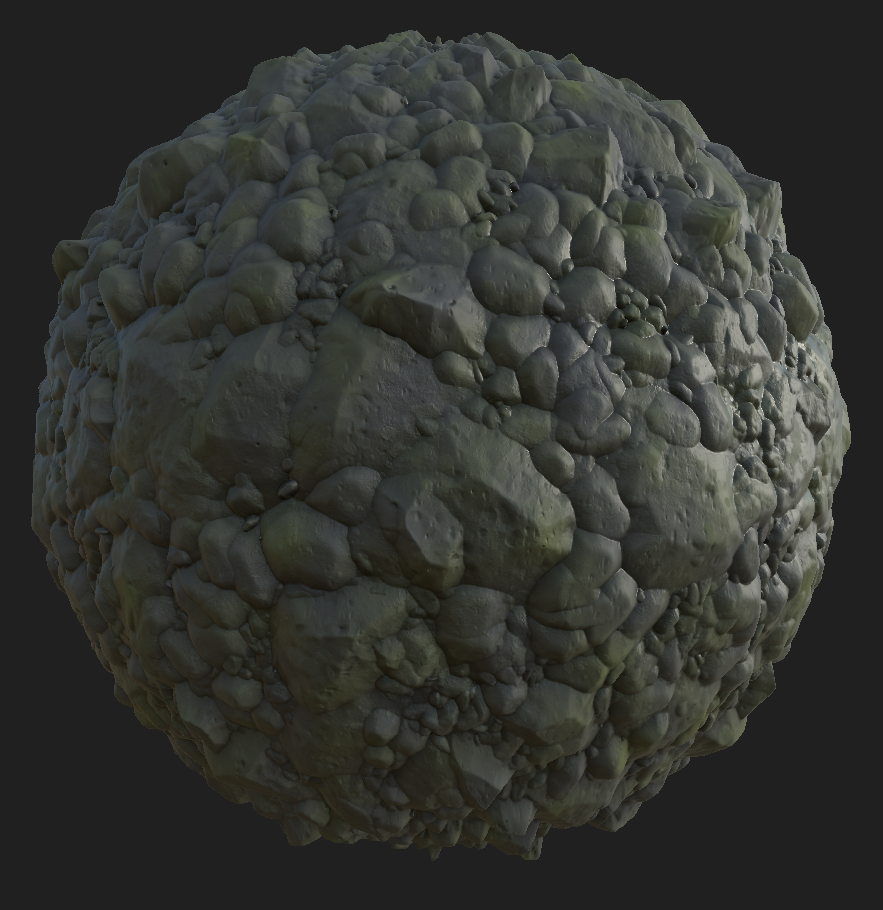


ROBLOX COBBLE STONE TEXTURE NoFilter. Develop Polished Assets Roblox Creator Hub Stones . Roblox Cobblestone Texture The Old Roblox Material Textures YouTube . Roblox Textures Poliigon 900px. 183 Best Roblox Printables Images On Pinterest Prints 9


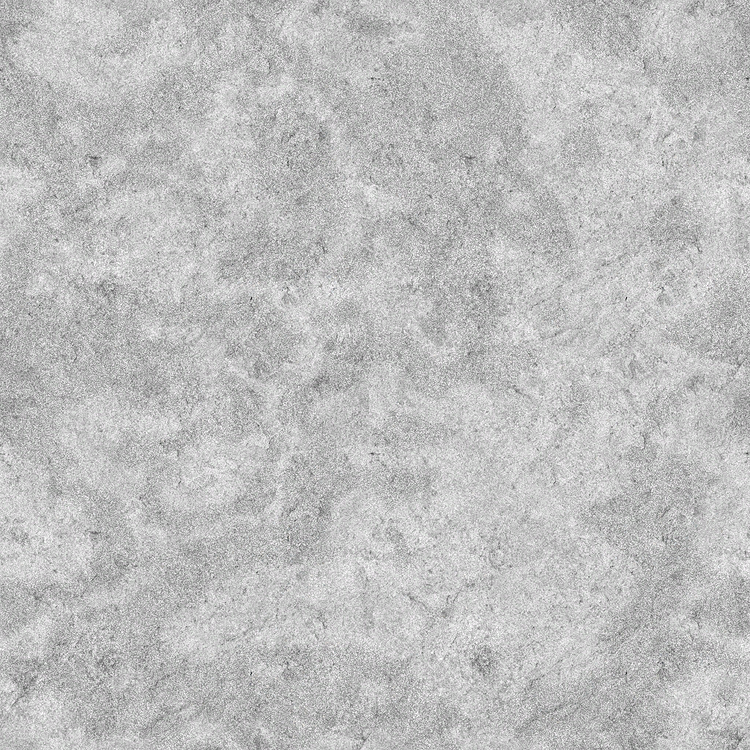

Stylized Rocks For Terrain Creations Feedback Developer Forum Roblox 2 690x481 . Roblox Rust Texture Poliigon 900px. How Do I Get Back Old Textures Building Support Developer Forum . All Roblox Part Textures PRE JUNE 2021 Community Resources 2 750x750 . Roblox Cobblestone Texture Cobblestone BedWars Wiki Fandom
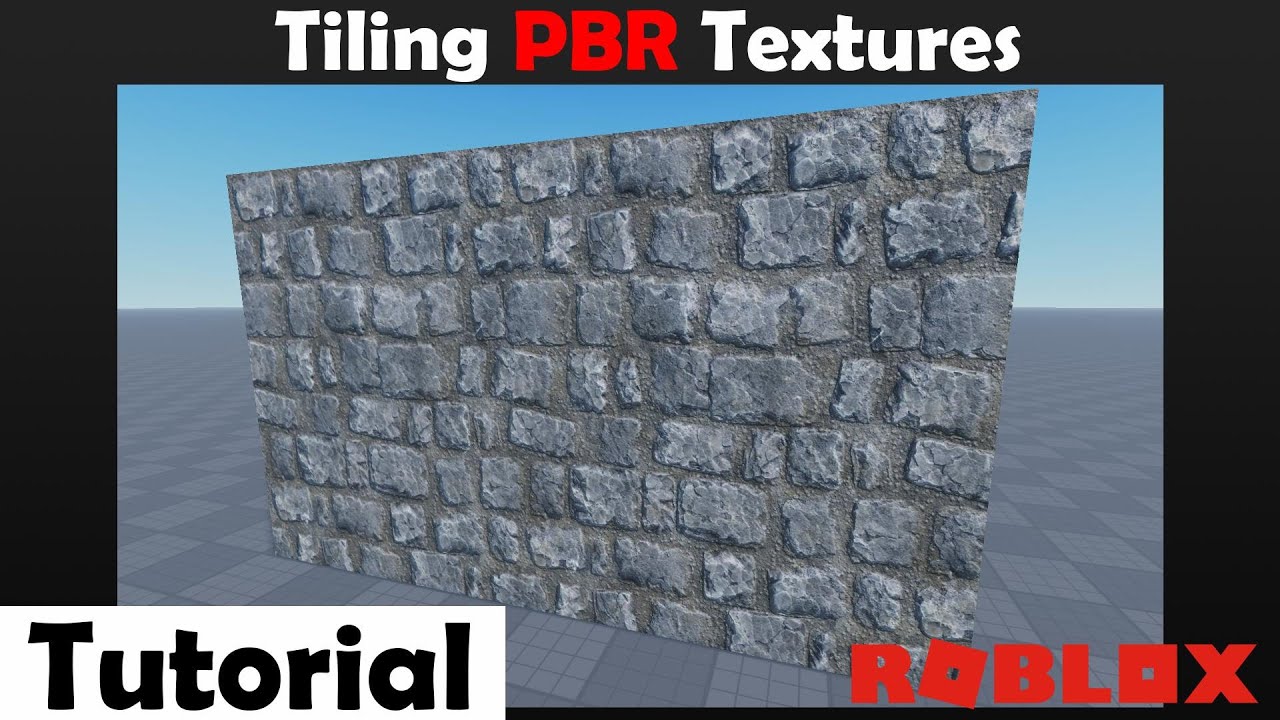
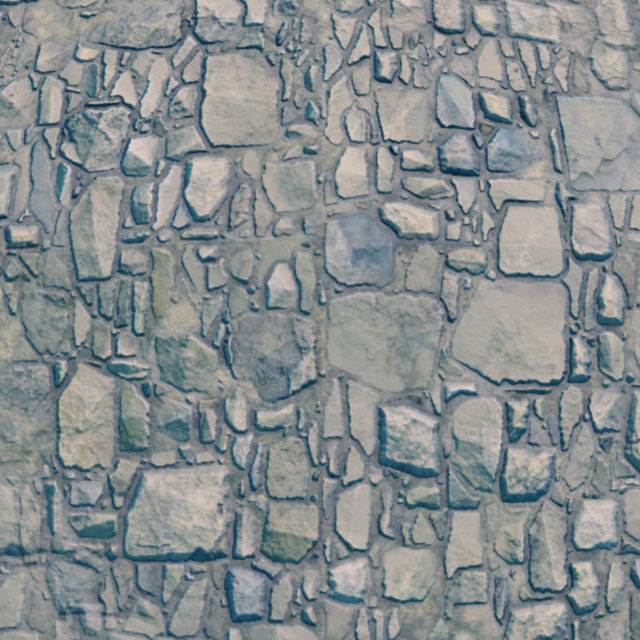

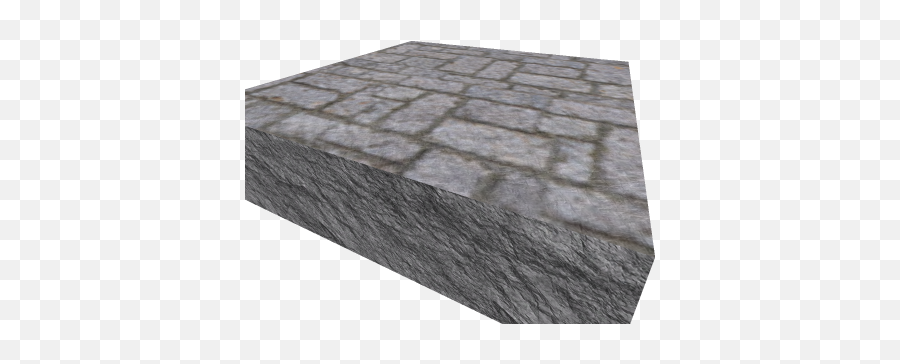
Roblox Cobblestone Texture The Old Roblox Material Textures YouTube . Roblox Cobblestone Texture The Old Roblox Material Textures YouTube Material Cobblestone . Granite Texture Id Roblox Granite Texture 1045156 6973 . Roblox Rock Terrain Texture NoFilter. Stone Wall Texture Roblox Plywood Png Stone Wall Png Free 20050 Middle
/version-a10672c987274c2e/content/textures/SlateTileMono.png)

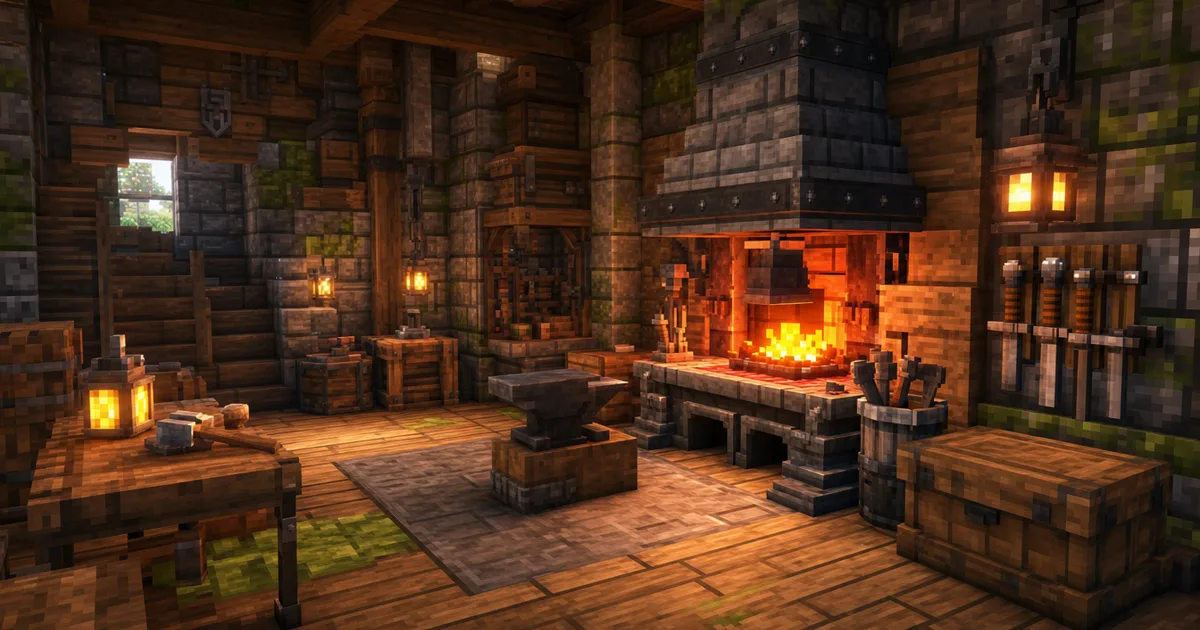
ROBLOX Archive . ROBLOX COBBLE STONE TEXTURE WALKWAY DECAL NoFilter. All Roblox Part Textures PRE JUNE 2021 Community Resources . Roblox Texture Custom PBR Surfaces Guide CraftPBR Hero Roblox Custom. Stone Wall 5 Texture NoFilter

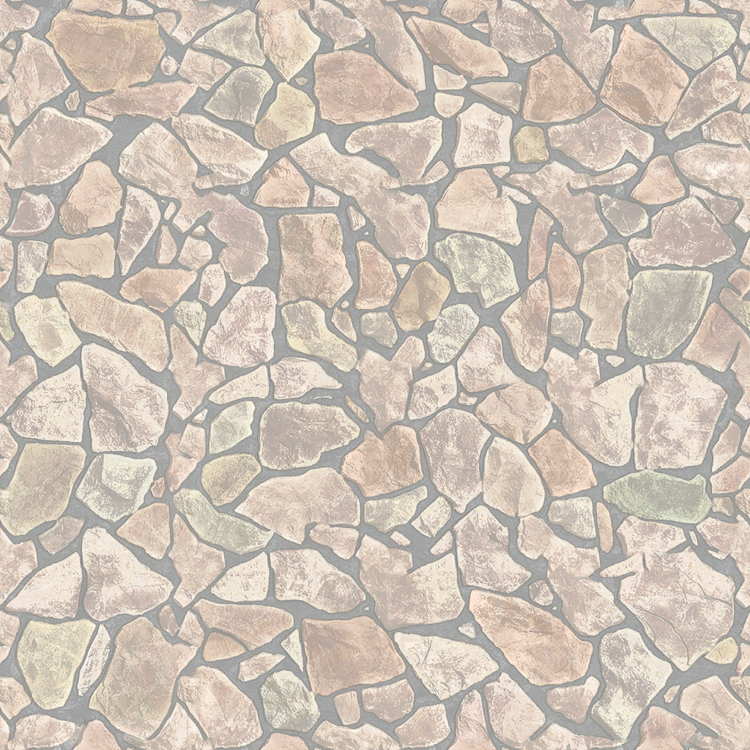
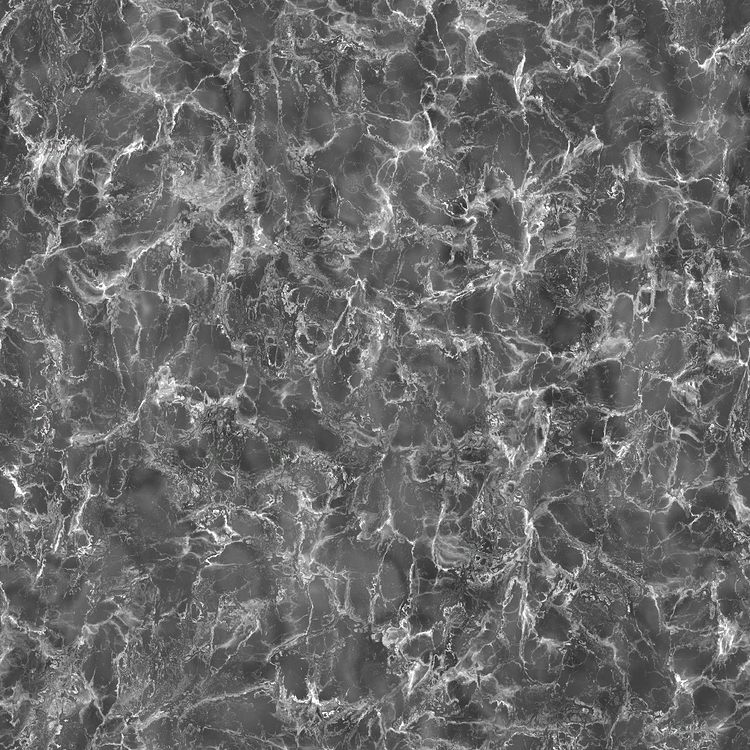
2026 HD Exterior Stone Texture Library 700 Maps PIXELNIL 2367584017 500x500 . Pixel Stone Texture NoFilter. Dark Stone Texture NoFilter. All Roblox Part Textures PRE JUNE 2021 Community Resources 2 750x750 . All Roblox Part Textures PRE JUNE 2021 Community Resources 2 750x750
NoFilter. Stone Texture NoFilter. Stone Texture NoFilter. Stone Roblox Flee The Facility Trade Traderie 1112147967 . Minecraft Stone Texture NoFilter
Roblox Textures Poliigon 900px. Stone Wall 2 Texture NoFilter. Seamless Med Stone Stone Texture NoFilter. Roblox Hair Texture Poliigon 900px. Stone NoFilter